Cells in at one end, tested packs off the other — one takt across both segments +86 15327155363 sales@batterylinepro.com

Cell handling / BLP-UL + BLP-CS — where a cell enters the line

Rejecting a Cell Is the Easy Part — the Hard Part Is
the Gap It Leaves

Every sorting machine can take a cell out. What decides whether your line keeps running is what goes back in its place, how fast, and whether it was measured the same way.

⚠️ Three actions, two machines — BLP-UL feeds, BLP-CS measures and replaces. The station numbering they occupy is on the module segment page.

Three actions, two machines

  • Feed — off the tray, into the line
  • Measure — scanned, voltage and resistance
  • Replace — reject removed, gap refilled
  • FeedOff the tray, into the line
  • MeasureScanned, voltage and resistance
  • ReplaceReject removed, gap refilled

The first thing on the line that removes something instead of adding it

Every machine after this one puts material together. This one takes material out — which is why it is the only place on the line where a hole can appear.

It is the entry, so it sets what everything else is allowed to work with

Cells arrive made. From here to a tested pack, nothing re-opens the question of which cell belongs in which group. What leaves this station is what the rest of the line builds with — the equipment page argues why that matters.

It is the only subtractive station

Welding adds, gluing adds, stacking assembles, testing reports. This station removes — and a module is a fixed count of cells, so removal is only half an operation. The other half is the subject of this page.

It is two machines wearing three station numbers

BLP-UL takes cells off trays; BLP-CS scans, measures, rejects and refills. The sequence they sit in is written up on the module segment page; what they are is written up here.

The three actions are worth separating because they fail differently. A feeding fault stops the line and you know immediately. A measuring fault produces numbers that look fine. A replacement fault produces a group that is one cell short — and that one is the expensive kind.
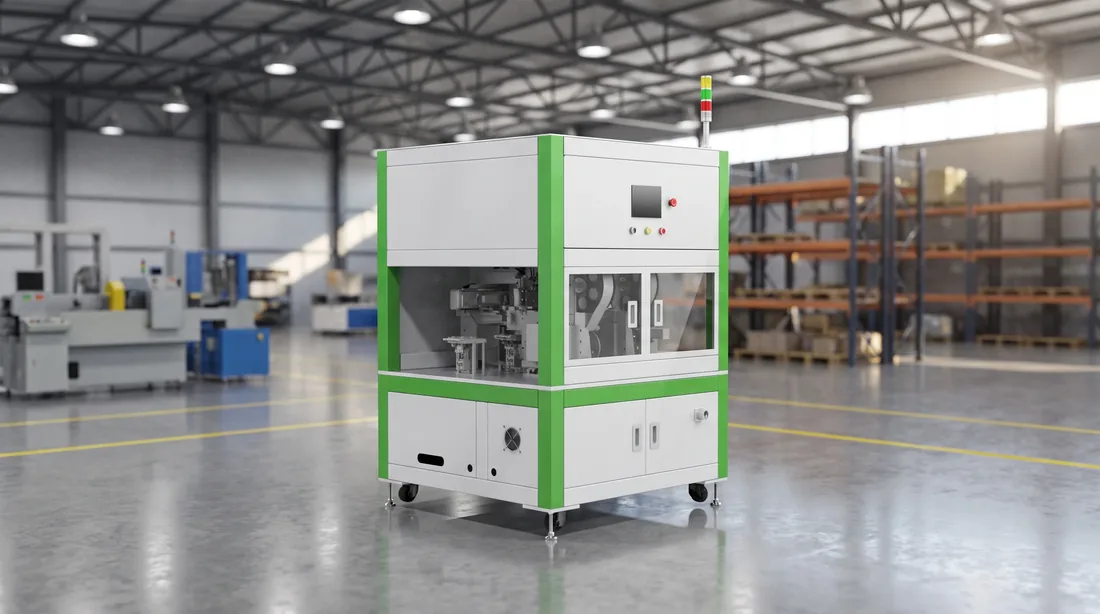
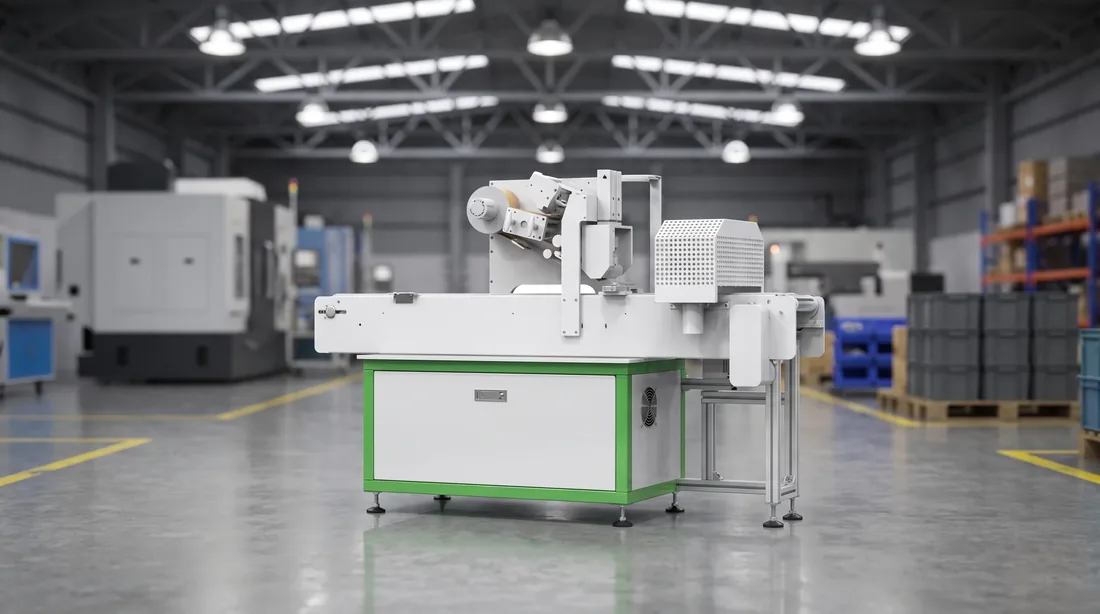
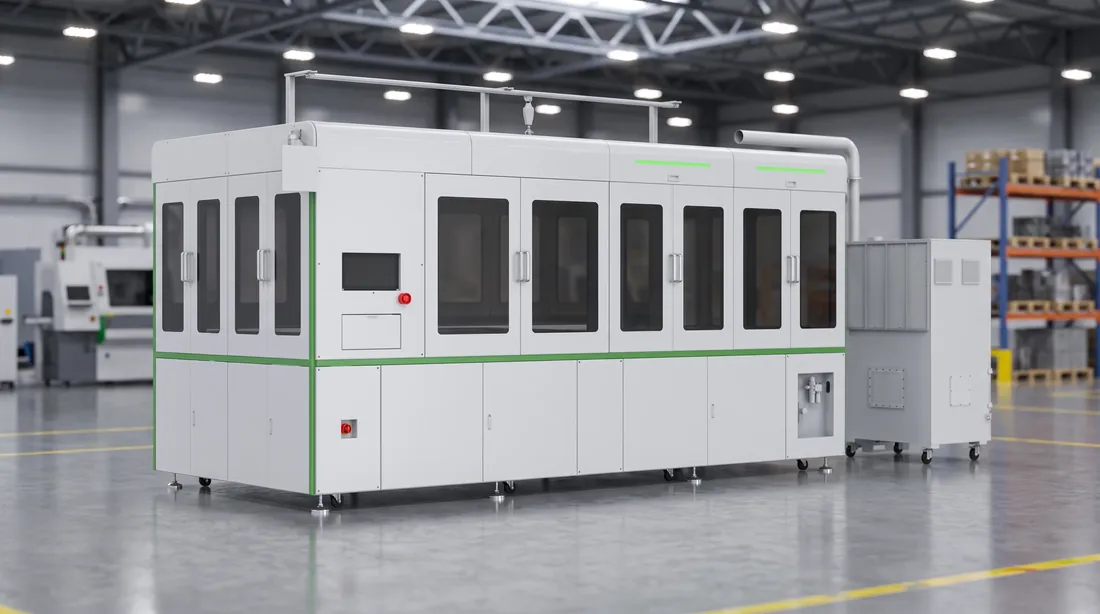
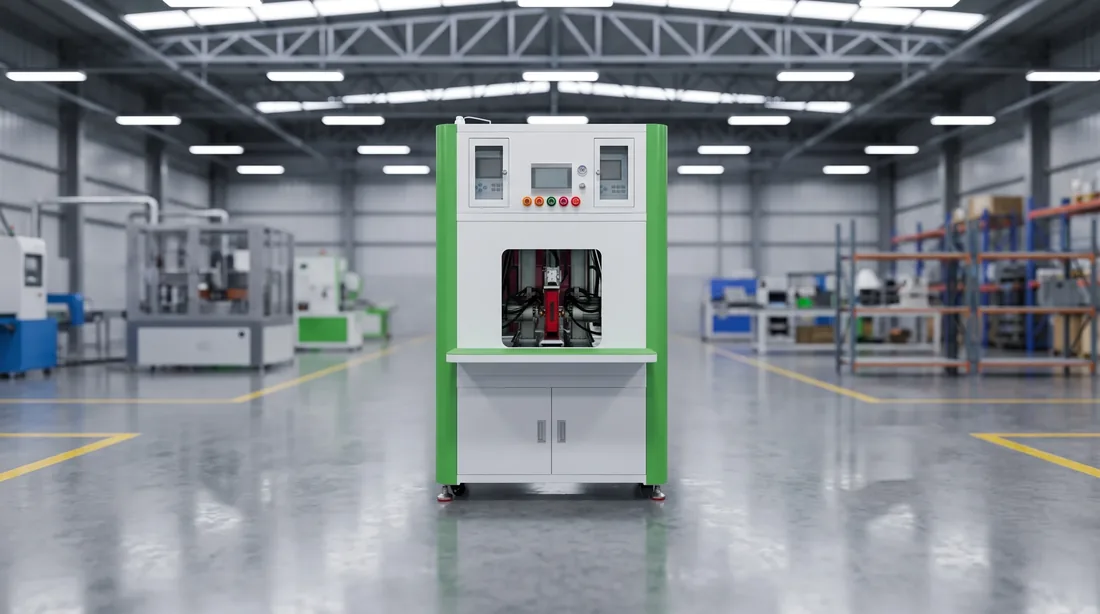
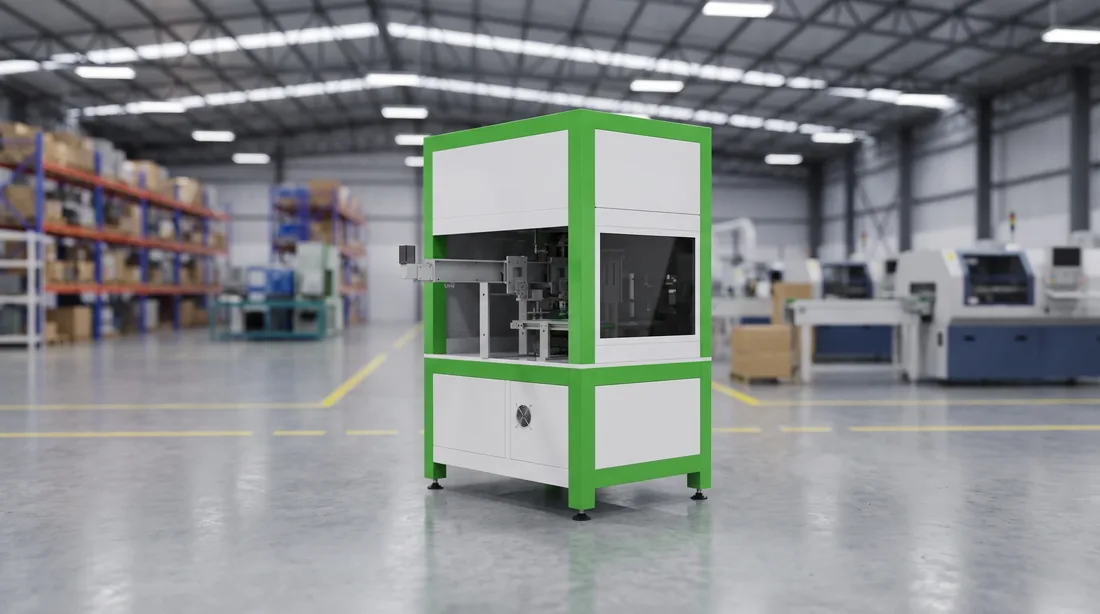
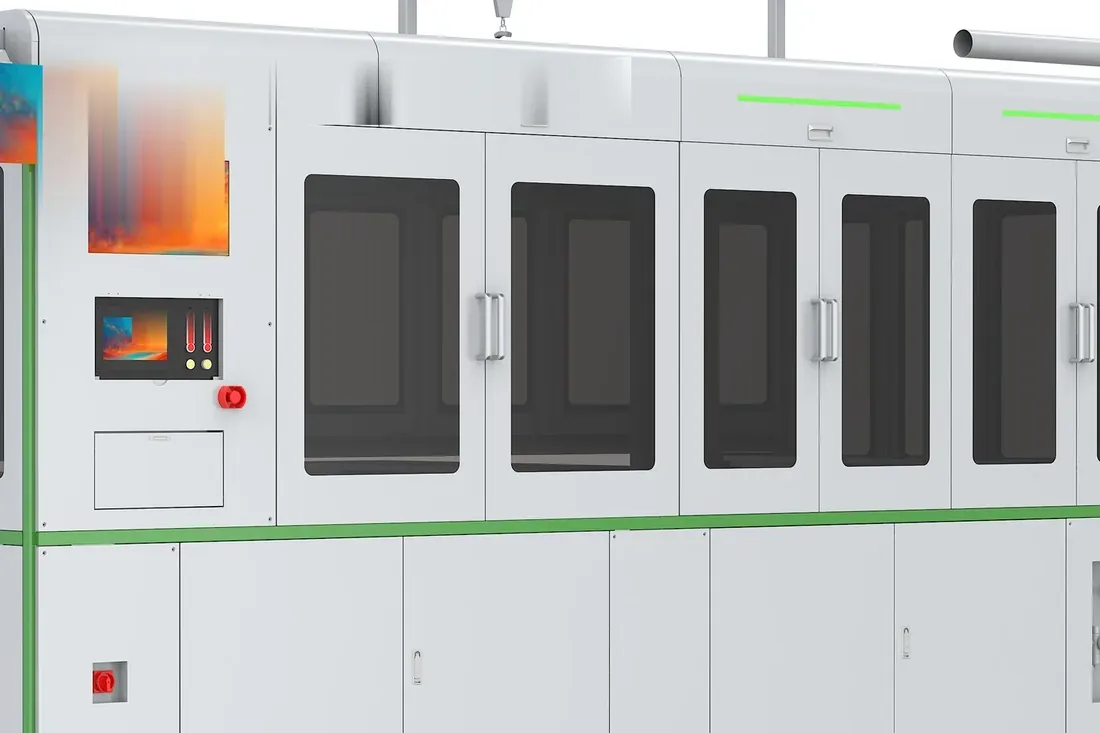
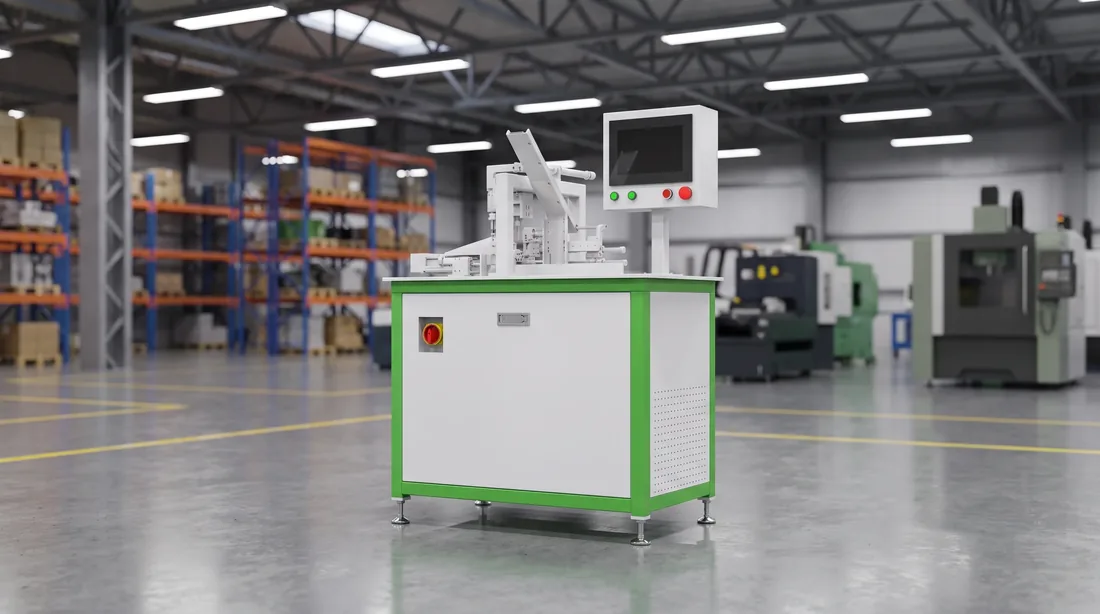
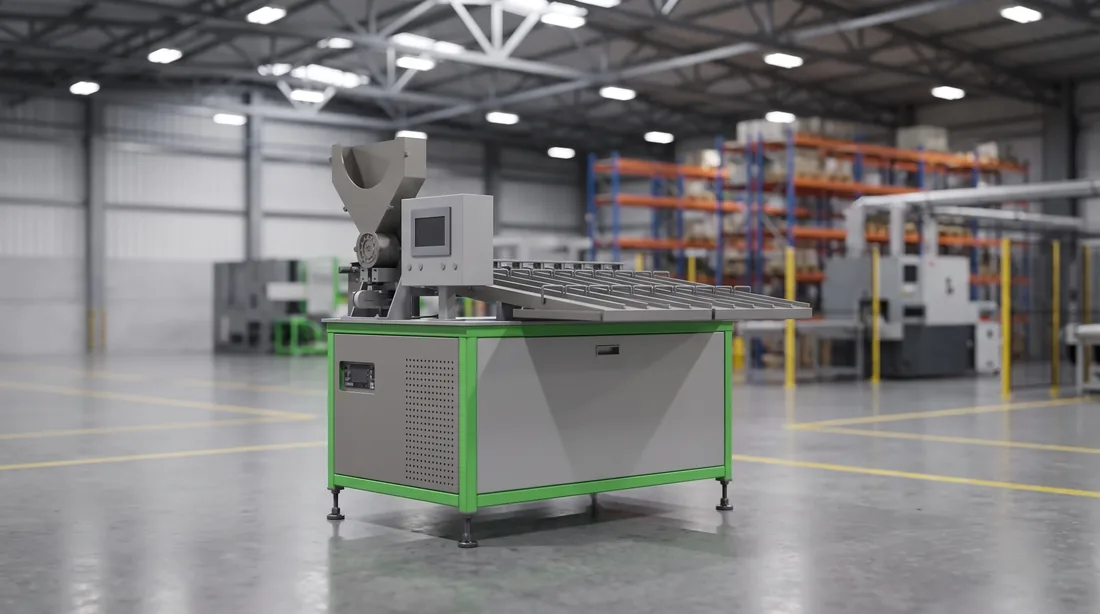
Cell testing and sorting station seen from the aisle
Rendering — the station, front on
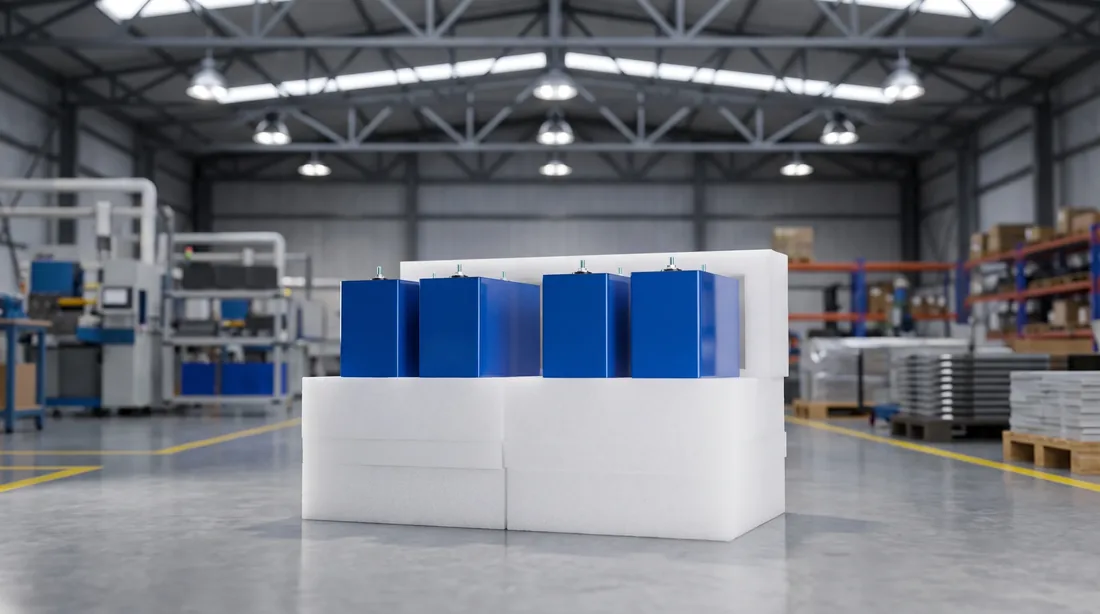
Pallet of cell trays arriving at the feeding position
Rendering — what arrives at the door
Reject position beside the sorting station
Rendering — where a cell leaves the stream

A pallet of trays is not a stream of cells yet

Feeding is the least discussed part of a sorting station and the first one to stop your line, because it is the only part that has to deal with how your supplier packs.

01

What arrives

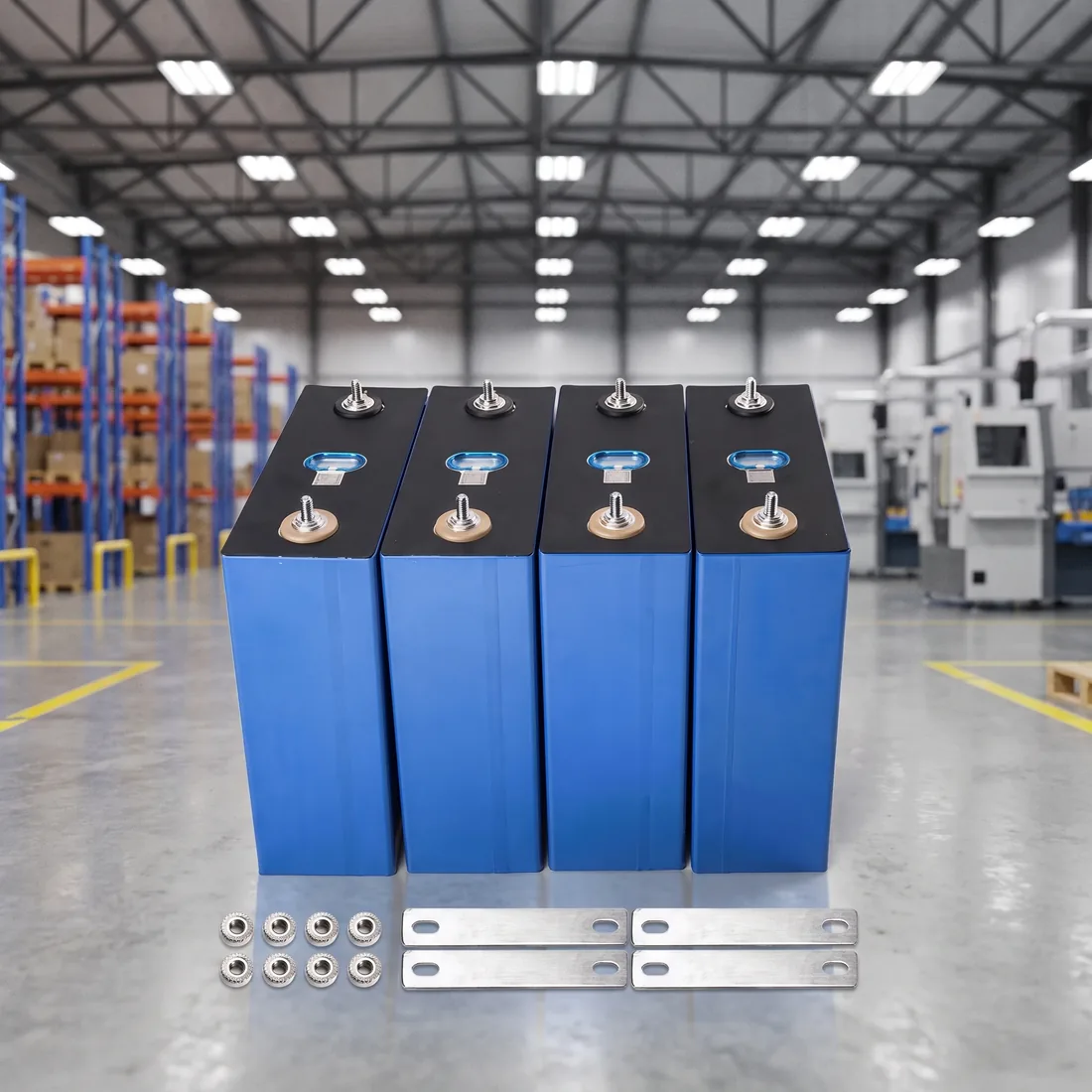
Cells stacked in trays, with foam separators, on a pallet. That is a warehouse object. The line needs a located cell in a known orientation, one after another, all shift.
02

What the robot does

A six-axis arm picks five cells at a time and places them located, not dropped. Picking in fives is what keeps a feed rate meaningful without a second robot.
03

What happens to the empty tray

The emptied foam trays are stacked automatically. It sounds like housekeeping; it is the difference between a station that runs unattended and one that needs somebody beside it. → section 12
04

What we need from you

How your cells are packed. Tray pitch, layers per pallet and separator type change the gripper and the approach, and they are the first thing we ask for.

Feeding is where your supplier's packaging becomes our problem, and it is the part of a sorting station most often quoted without asking a single question about it. The figures that describe the robot are in the next section; the three facts that decide whether those figures matter are the ones above.
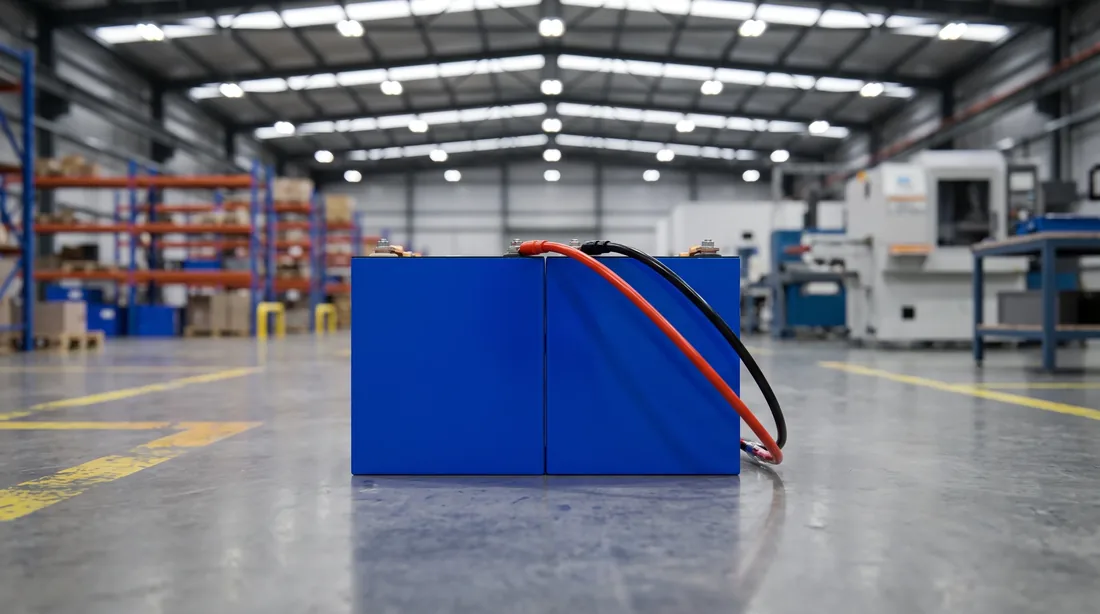
Six-axis robot lifting cells from a tray
Rendering — five at a time, placed not dropped
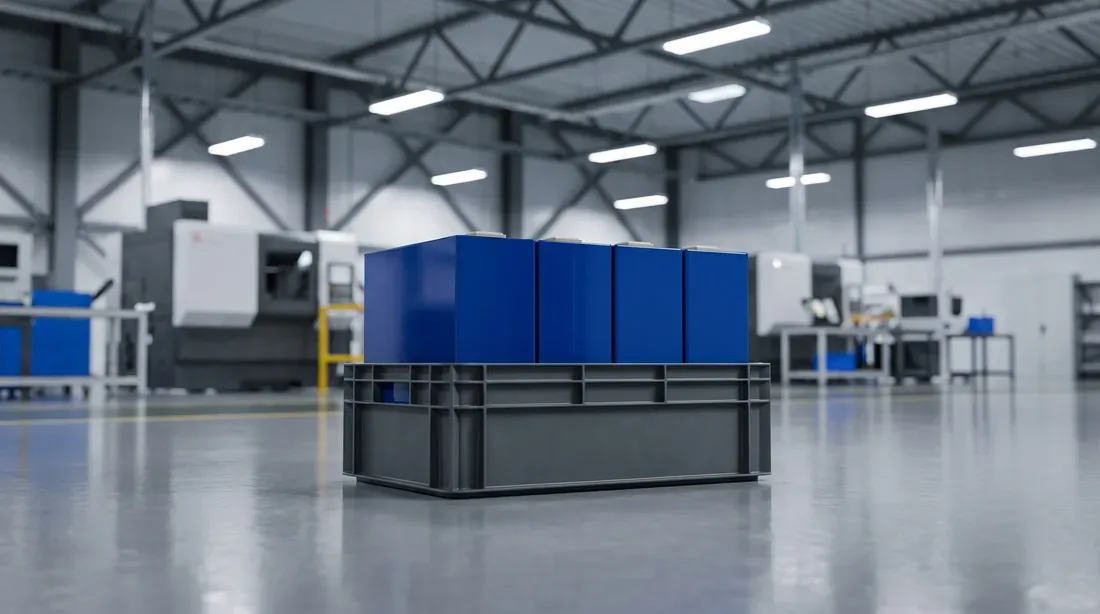
Foam tray of prismatic cells with separators
Rendering — the tray the cells arrive in

Four figures for the feeding robot, and what each one decides

⚠️ Published here for the first time on this site. Two of them are about the cell; two are about your building and your pallet.

FigureWhat it decidesWhat it does not decide
220 kgRobot payload Whether the arm can carry a multi-cell gripper rather than a single-cell one — which is what makes picking five at a time possible. Cell mass. The payload covers the gripper, the cells and the tooling together.
±0.06 mmPositioning accuracy Whether a cell arrives located rather than approximately placed, so the next station measures a cell that is where it should be. A pass or fail on the cell. This is placement, not judgement. Section 06 →
≥2650 mmReach Which layer of your pallet the arm can still reach without the pallet being lifted or re-positioned. Your bay's clear height — that is a building figure, on the contact page.
5 cellsPer pick How much feed rate one robot can sustain before a second one is the only way to go faster. Line takt. The slowest station sets that, and it is rarely this one.
Automatic stacking of emptied foam trays is part of this machine, not an option. It has no figure attached to it because it is a behaviour rather than a measurement — see section 12 for why it belongs in a specification anyway.
We do not print a feed rate in cells per minute. It follows from your tray layout and your cell size, and a rate quoted without those is a rate quoted against our tray, not yours.
⚠️ Reach appears twice on this site and means two different things. On the contact page it is a reason to check your bay's clear height. Here it is a reason to check how tall your pallet is. Same figure, different question.
Six-axis feeding robot working across the pallet position
Rendering — the reach that decides pallet height
Multi-cell gripper head close up
Rendering — what the payload actually carries

A module is a fixed count of cells. Taking one out is not a decision, it is half a decision — the other half is what goes back in.

Remove

The cell that does not belong leaves the stream.

Refill

One that does belong takes its place.

Only both together

Is an operation the downstream stations can rely on.

Three measurement figures — and none of them is a pass threshold

⚠️ These describe what the instrument can tell apart. What counts as good enough is a different kind of statement, and it is written up on the end-of-line testing page.

FigureInstrument accuracyNot a pass thresholdWhat it does not decide
≥99.9%Scan success rate Whether every cell that enters carries an identity the line can act on and record. Excluding incoming defects. Whether the cell is any good. A cell can scan perfectly and still be outside your group.
±(0.01%rdg + 3dgt)Voltage accuracy How finely two cells can be told apart on voltage — which sets how narrow a group you are able to ask for. Where the group boundary goes. Section 07 →
±(0.5%rdg + 10dgt)Internal resistance The same question for resistance, which is the figure that separates cells that look identical on voltage. Pass or fail. EOL testing page →
Accuracy sets the finest group you can ask for; it does not choose the group. If your rule is narrower than the instrument can resolve, the rule is not being applied — it is being approximated. That is the one thing worth checking these three figures against.
⚠️ These three also appear on the end-of-line testing page, quoted there to place this station on the site's test map. They are stated in full here because they belong to this machine. Thresholds and verdicts belong to that page.
We do not publish a grouping tolerance here, because it is not ours to publish — section 07.
Scanning and measurement position on the sorting station
Rendering — where every cell is measured
Contact face of a prismatic cell where measurement is taken
Rendering — where the instrument touches

We do not set your group width. We do guarantee what happens to it.

Grouping is the one specification on this station that is genuinely yours, and a supplier who offers to decide it for you has not asked enough about what you are building.

What we do not set

The band itself. How wide a group may be on voltage and on resistance follows from your cell and from what your pack has to do afterwards. We do not choose it for you, and we do not publish a number here that pretends we did.

What we do guarantee

Execution and replacement. Every cell scanned, at ≥99.9%. Voltage and resistance measured to the accuracies in section 06. Cells outside your rule removed automatically, and the gap refilled automatically from the same measured stream.

Where the rule comes from

Usually from your cell supplier's own binning, your pack's balancing budget, or a customer specification you already have to meet. All three are upstream of us.

What we need in writing

The rule, in the units you use. It goes into the acceptance document as your input, and the station is set to it. Not “we'll tune it during commissioning”.

What happens if you do not have one yet

We run against the instrument's resolution and record everything, so the rule can be written from your own first production data rather than guessed before it. That is a legitimate answer, not a delay.

A specification that quotes a grouping tolerance without asking about your pack has told you what its own demo cell needed. This page prints instrument accuracy in full and prints no grouping number at all, and those two facts are the same decision.
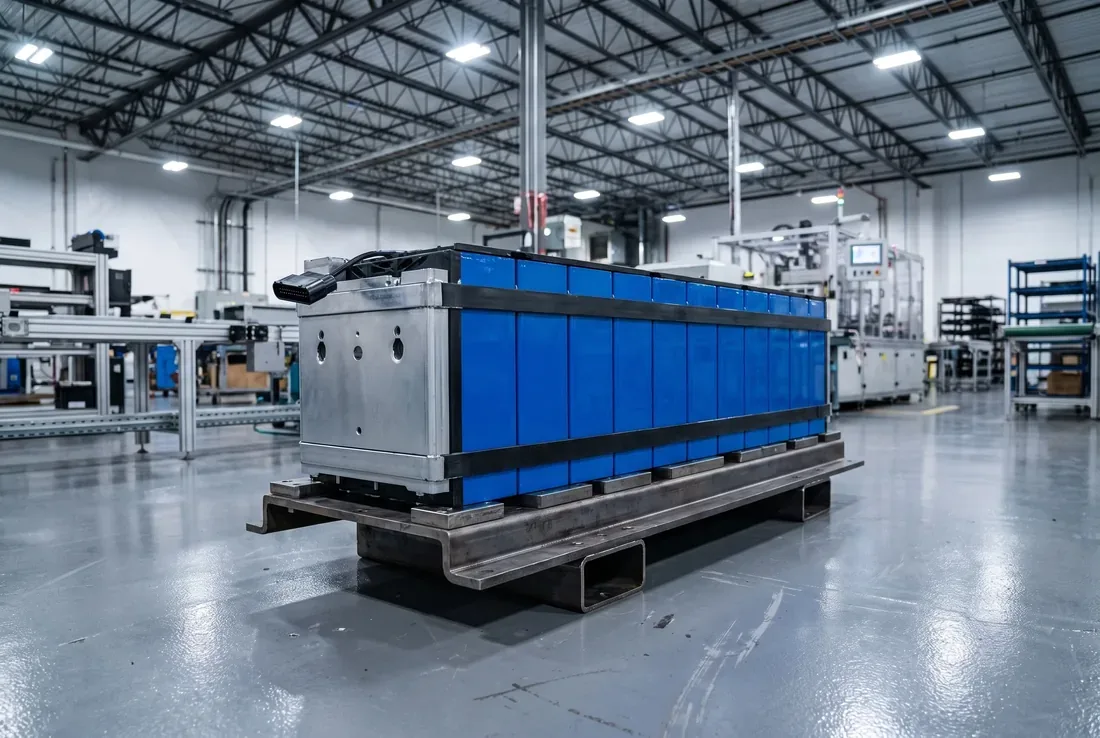
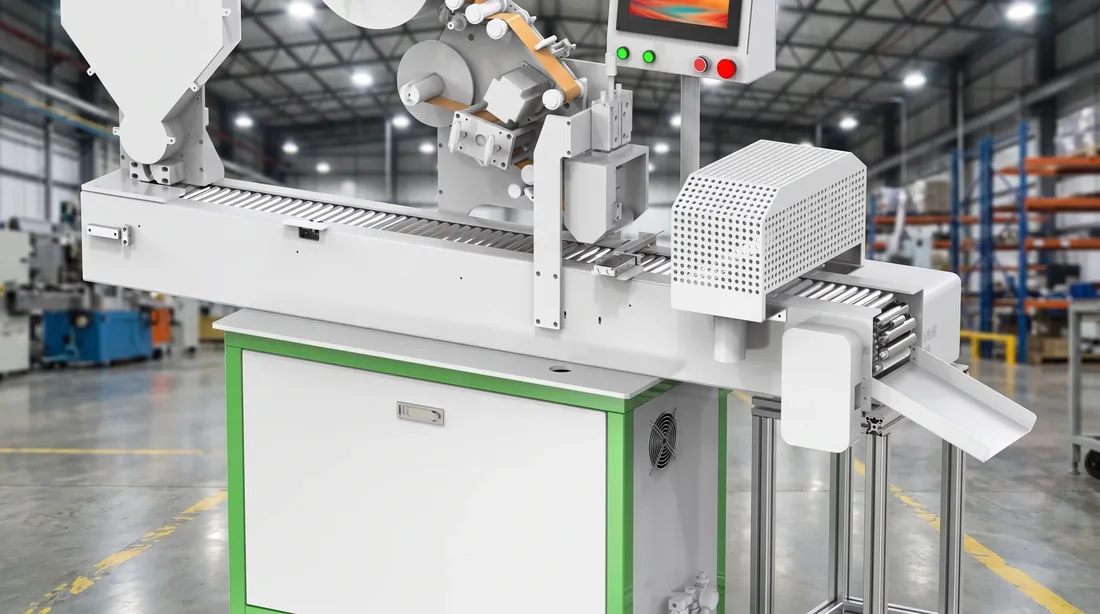
Cells arranged into a matched group after sorting
Rendering — a group, built to your rule
Reject lane where cells outside the rule are taken out
Rendering — where the rule is enforced

Who fills the gap a rejected cell leaves, when, and what if nobody does

This is the half of sorting that specifications skip, and it is the half that decides whether a reject costs you nothing or costs you a shift.

Why this one

A module is a fixed count. Removal alone leaves the line short.

Every other machine can finish its job on its own terms. This one cannot: the moment it rejects a cell, the set it was building is incomplete, and incomplete is not a state the stacking station can work with. That makes refilling a mechanism, not an afterthought.
Who fills it

Automatically, from the same measured stream, before the set moves on.

The replacement comes from the cells already flowing through the same scan and the same measurement — not from a bin beside the line, not from the next pallet, not from a person's judgement. It happens at the station, not at the next one.

There are only three, and two of them are bad.

Each row is what happens to the set when the gap is not refilled automatically from the same measured stream.

What is done with the gapWhat it costsOursRefilled automatically
Hold the set and wait The segment stops until a matching cell appears, so one reject becomes idle time at every station behind it. No wait — the replacement is already in the stream
Let it go short The module is built to a different count, which is a specification change nobody approved. The count is right when the set moves on
Fill it by hand The replacement did not go through the same measurement, so the rejection you just performed has been quietly undone. Same scan, same instrument, including the replacement
What it costs

The failure is invisible at this station and visible three stations later.

Hand-filling produces a module that passes every geometric check and fails the comparison it was sorted for. By then it is welded. The station that made the mistake is not the station that reports it — which is exactly why this belongs in the specification rather than in commissioning.
What proves it

Ask what the refill source is.

A specification that says NG cells are removed and stops has described half an operation. Ours says removed and the gap refilled automatically — one sentence, two verbs, and the second verb is the one your takt depends on. The wording is on the equipment page too, and it is the same wording, deliberately.

Why a mis-sorted cell is expensive rather than merely wrong — the argument about damage travelling forward invisibly — is made on the equipment page and is not repeated here.
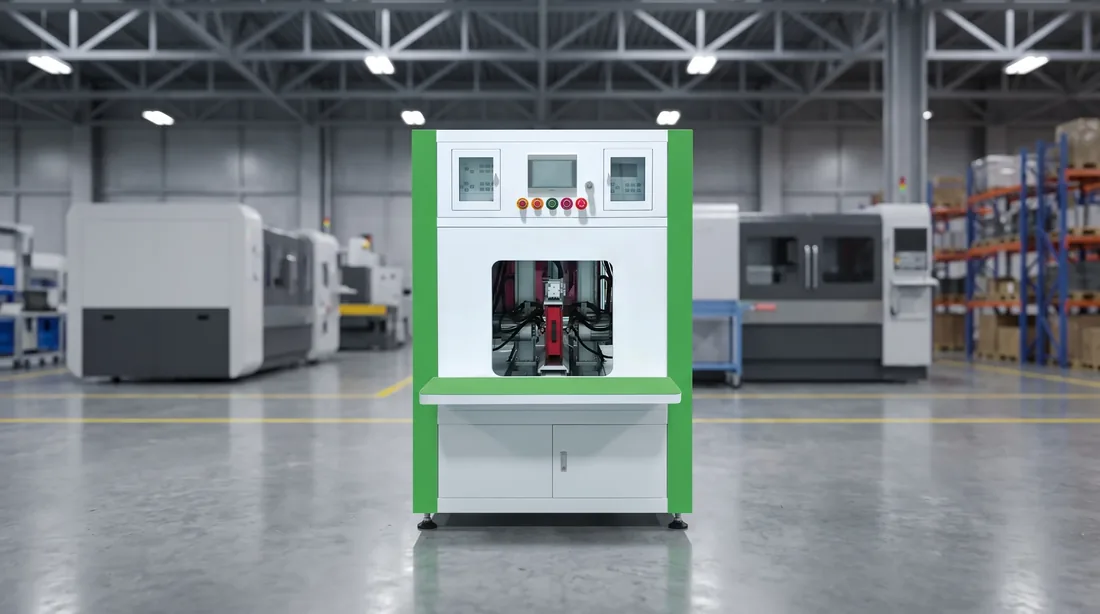
Cell being taken out of the stream at the reject position
Rendering — the cell leaves
Replacement cell entering the position the reject left
Rendering — the gap is refilled
Complete set of matched cells ready to move on
Rendering — a complete set moves on

What decides whether your cell can run on this station

Three questions, none of which is answered by a datasheet figure — which is why we ask them before quoting rather than after.

The cell's envelope

There is a published compatibility envelope for width, height and thickness, and it lives on the energy-storage pack line page with the rest of the blueprint. We do not restate it here; what matters at this station is whether the gripper and the contact face suit your cell inside it.

How the cell presents its terminals

Measurement needs contact. Terminal position and finish decide the probe arrangement, and they vary between cells that are otherwise the same size.

How your cells arrive

Tray pitch, layers and separators — the same three facts section 03 asks for. They are the ones that change tooling rather than the ones that change the machine.

Two of these three are about packaging rather than about the cell, which is why they are so often left out of an enquiry and so often the reason a quotation has to be redone.
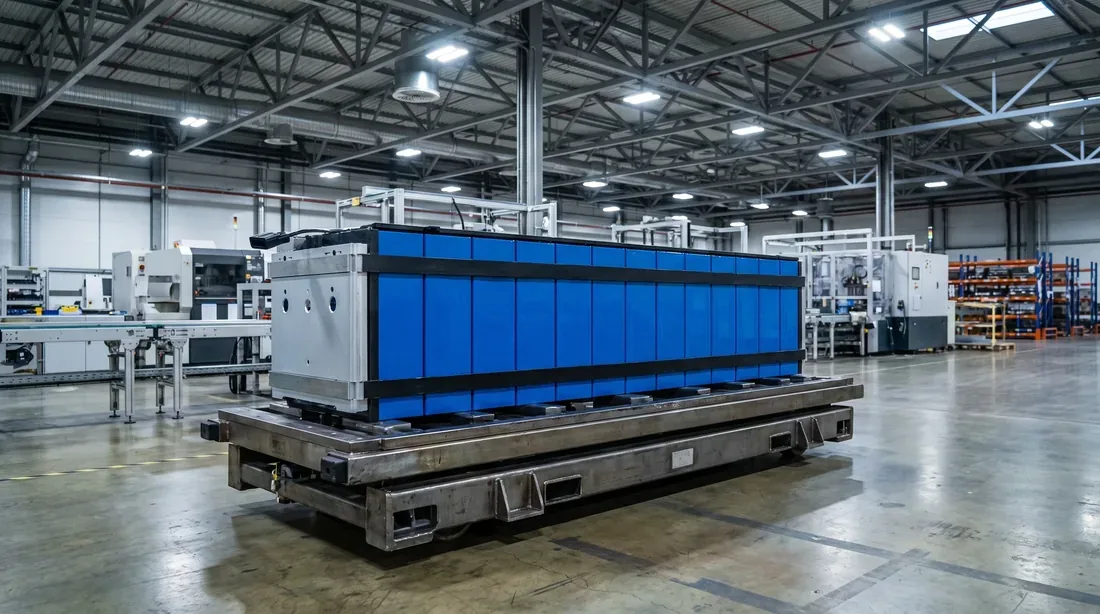
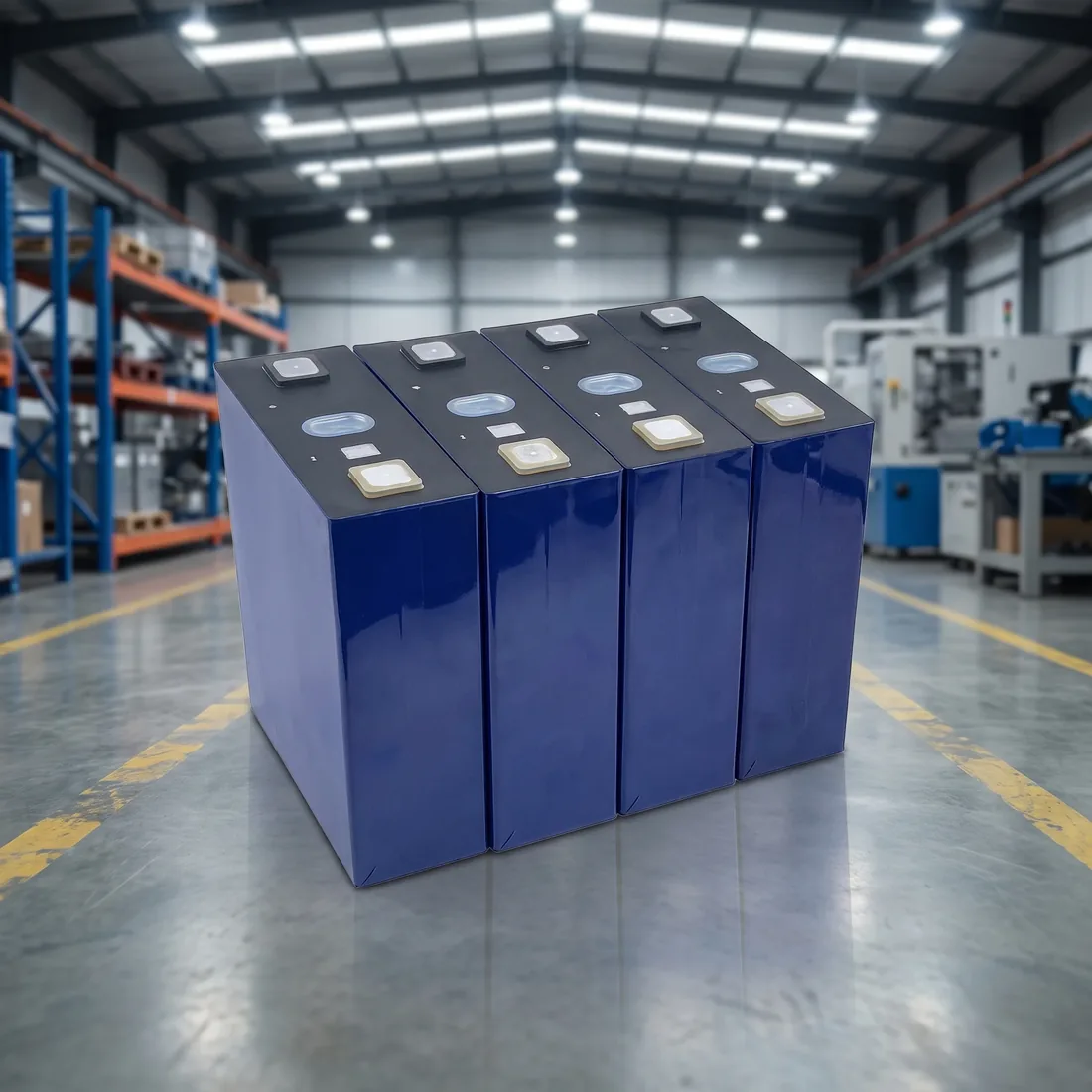
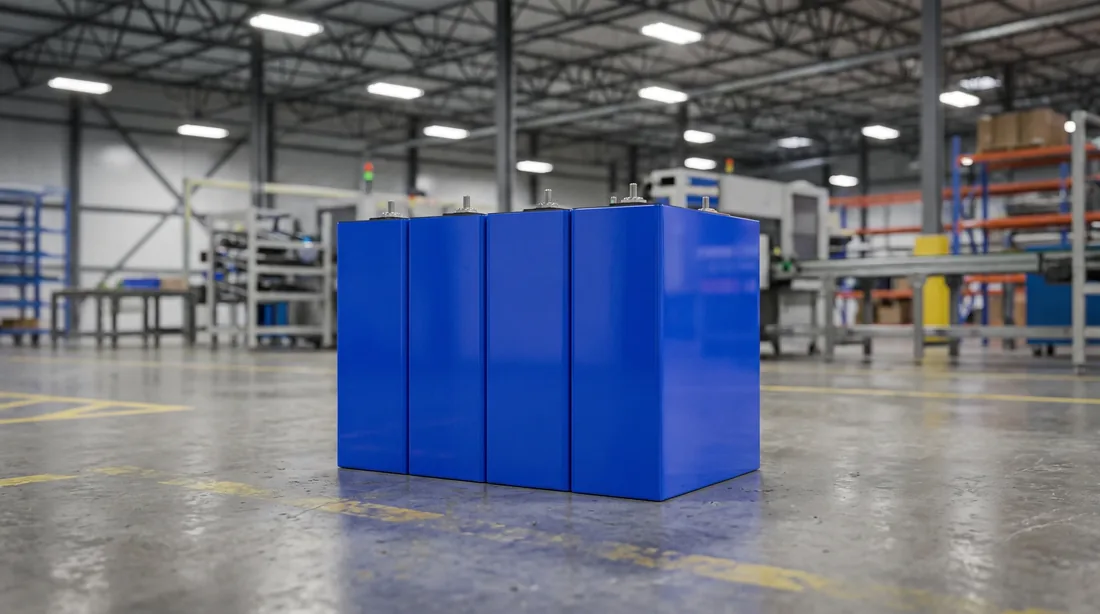
Prismatic cell of the kind this station handles
Rendering — the part being sorted
Terminal face of a prismatic cell where probes make contact
Rendering — the face the probes meet

Send the cell and the rule. We will send back what the station does with both.

Your cell, how it is packed, and your grouping rule if you have one. If you do not have one yet, say so — section 07 is the answer to that, and it is not a delay.

Reply within 24 hours / If your rule is finer than the instrument can resolve, we will say so before quoting

What the stacking station gets, and what it is entitled to assume

The value of this station is entirely in what the next one no longer has to check. Four assumptions, each one paid for upstream.

A complete set

The count is right, because the gap was refilled here rather than carried forward. Stacking can start without counting.

A measured set

Every cell in it went through the same scan and the same instrument, including the replacement. Nothing in the set is unmeasured.

A set inside your rule

Not inside a rule — inside the one you wrote down. Which is why section 07 insists on having it in writing before the line ships.

A traceable set

Each cell carries an identity that was read at ≥99.9%, so a question asked six months later has somewhere to start.

Every one of those four is an assumption the downstream stations make silently. They are worth listing because a sorting station that gets any of them wrong does not produce an error at the sorting station — it produces one much later, at a machine that was right to trust it.
Complete set of cells leaving the sorting station
Rendering — a complete set, leaving
Entry of the stacking station downstream
Rendering — what receives it
Identity reading position on the sorting station
Rendering — where identity is read

The emptied trays are stacked automatically, and that is a specification item

It reads like housekeeping. It is actually the difference between a station that runs a shift unattended and one that quietly needs a person standing beside it.

What the machine does with them

Emptied foam trays are stacked automatically as the pallet is worked through. No operation, no interruption to feeding.

Why it belongs in the specification

A station's headcount is decided by its least automated moment, not by its most automated one. A machine that feeds beautifully and needs a person to clear trays every few minutes is a manned station wearing an AUTO label.

What to ask any supplier

Not “is it automatic” — everything is automatic in a brochure. Ask what a person has to do between one pallet and the next, and how often that is.

Automation levels on our lines are labelled honestly per station, AUTO / SEMI-AUTO / MANUAL, and the pack segment is mostly people. This station is one of the genuinely automatic ones, and the tray stacking is part of why — which is a smaller claim than “unmanned line”, and a true one.
Emptied foam trays stacked automatically beside the feeding position
Rendering — where the empties go
Pallet changeover position at the feeding end
Rendering — the only moment a person is needed

Four things a sorting station is expected to fix, and will not

All four come up in enquiries, and three of them are reasonable expectations placed on the wrong machine.

It will not improve your cells

Sorting is a filter, not a process. If the incoming spread is wide, tighter grouping means a higher reject rate, not better cells. Not knowing this in advance is how a line ends up rejecting a quarter of its feed and nobody budgeted for it.

It will not set your grouping rule

Section 07. The rule is yours; the execution and the refill are ours.

It will not tell you whether a cell is safe

Voltage and resistance at incoming are a comparison, not a safety judgement. Insulation and withstand-voltage testing happen later and are written up on the EOL testing page.

It will not make the line faster

Its rate follows from your tray layout; the slowest station sets takt. Tier takt figures are on the tier selection page.
  • Turnkey line
  • Single machine
  • Segment retrofit
Reject collection position at the sorting station
Rendering — what a wide incoming spread produces

We supply this station inside a line and as a segment retrofit. In either case we will ask for your cell, your packaging and your rule before quoting — and where you do not have the rule yet, we will say what section 07 says rather than invent one to close the quotation.

Four questions to ask any sorting station line item, including ours

None needs a drawing, and all four separate a machine that removes cells from a machine that keeps a line running.

01

Does the specification say what happens to the gap?

If it says NG removed and stops, it has described half an operation and left the expensive half to commissioning.
02

Are the accuracy figures separated from the pass criteria?

A specification that lists them together is inviting you to read instrument resolution as a quality promise.
03

Does it quote a grouping tolerance without asking about your pack?

Then it is quoting the tolerance its own demo cell happened to need.
04

Does it say what a person does between pallets?

That answer, not the word AUTO, is what decides the headcount on this station.

Our four answers, from this page: refilled automatically from the same measured stream; separated, in section 06; no grouping number at all; nothing between pallets except changing the pallet. Everything above was written so those four can be checked against it.
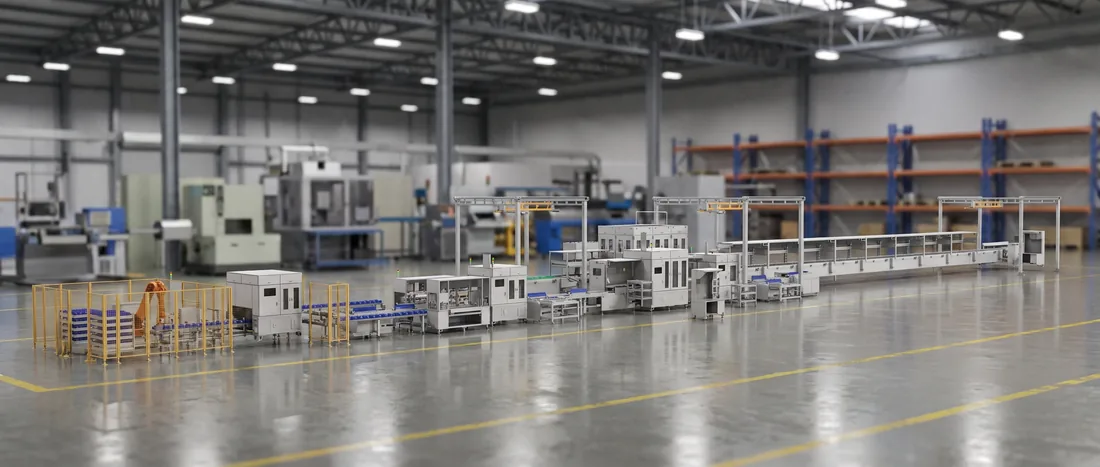
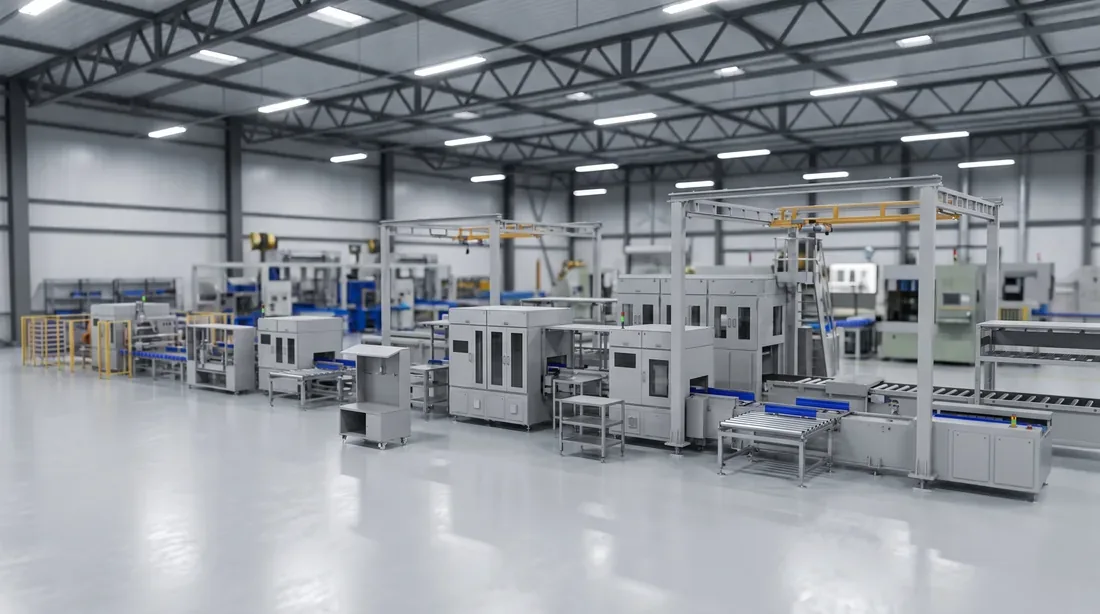
Feeding and sorting stations seen together at the head of the line
Rendering — two machines, three station numbers

Send the cell, the packaging and the rule — or tell us you do not have the rule

Those are the three inputs. The third one is allowed to be missing, and section 07 says what we do then.

What comes back

The feeding arrangement for your packaging, the measurement scope, and a plain statement of what the station does when a cell is rejected.

If your rule is finer than the instrument
We will say so before quoting rather than after commissioning. That is a short conversation now and a long one later.
Sorted cells handed to the next stage of the module segment
Rendering — what leaves this station
Phone / WhatsApp
Address
Wuhan, Hubei, China
Response
Reply within 24 hours
Feeding and sorting stations at the head of the module segment
Rendering — where every cell on this line enters it