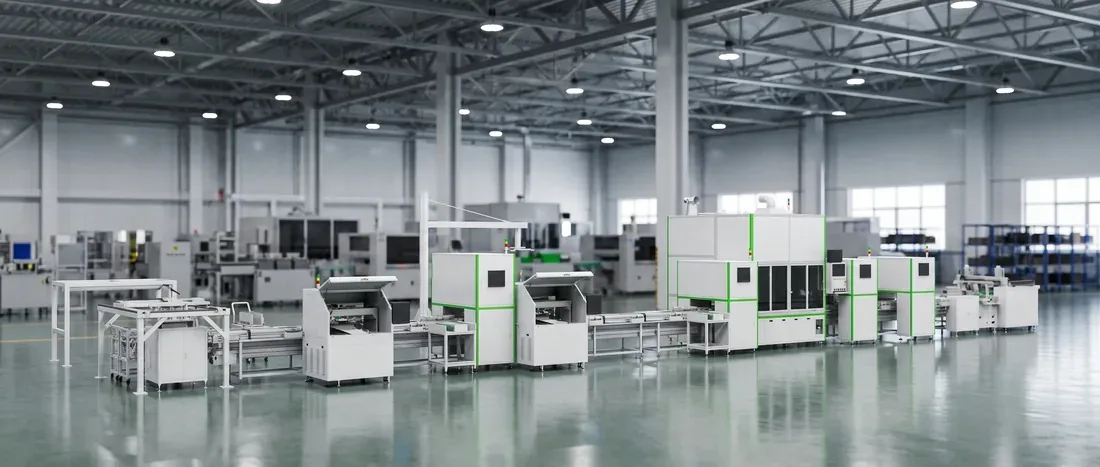
Energy storage / the blueprint every quotation is priced against
Energy Storage Battery Pack Line, Quoted Against a
Blueprint You Can Read
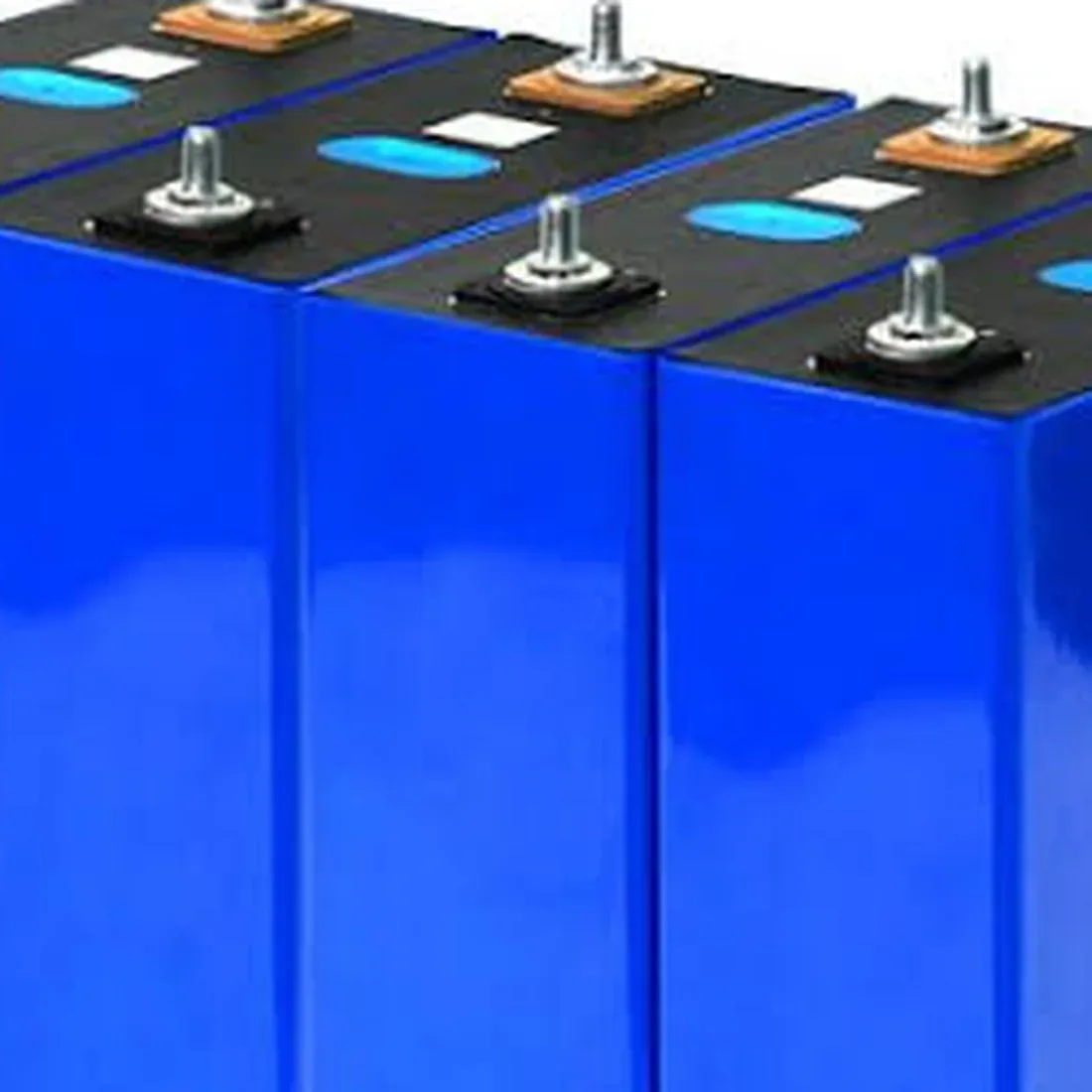
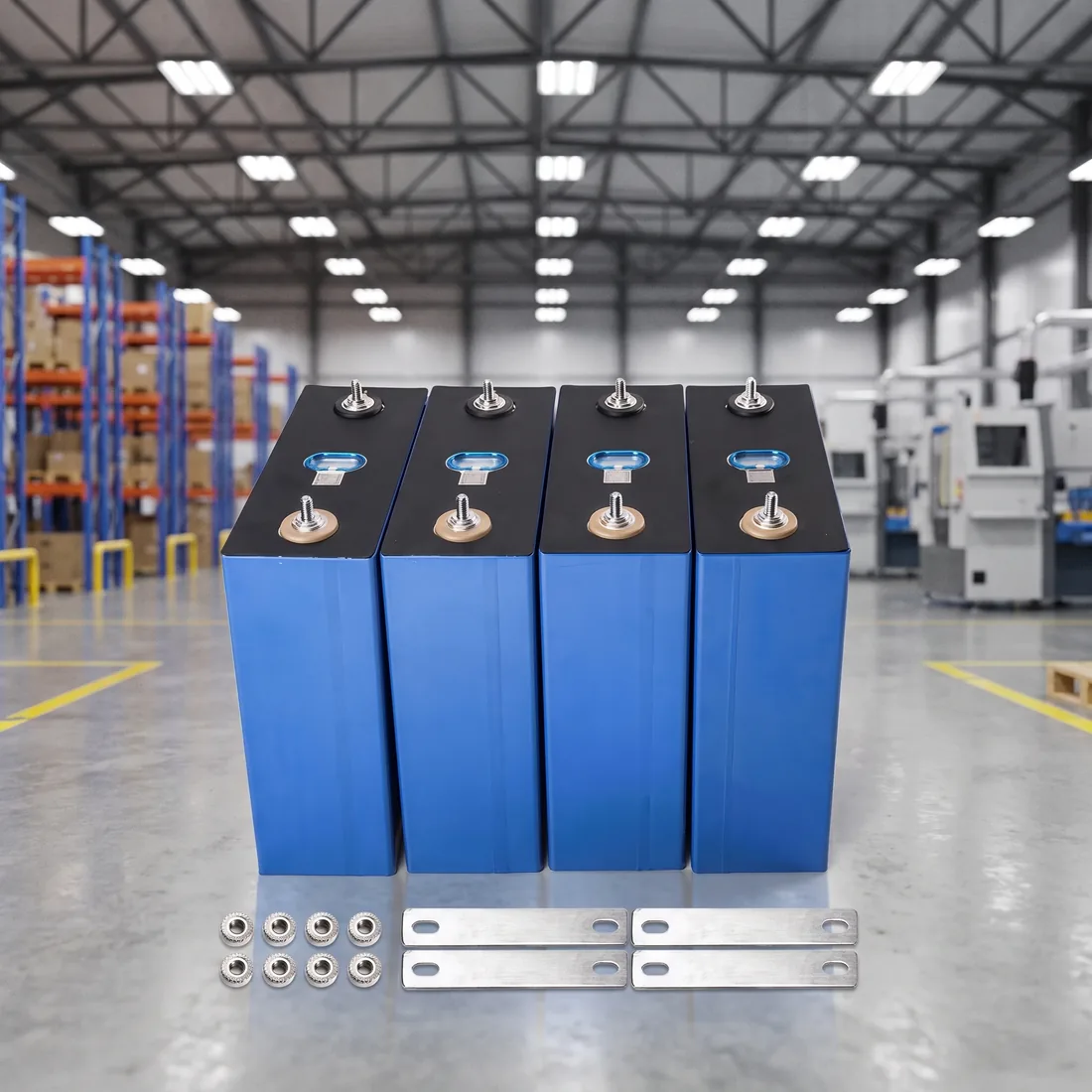
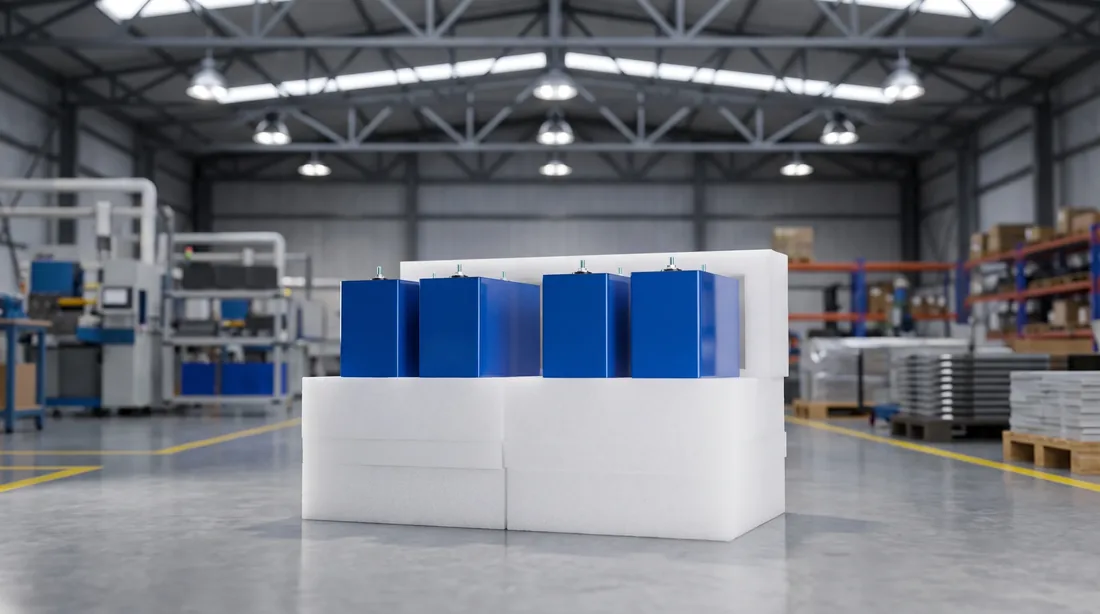
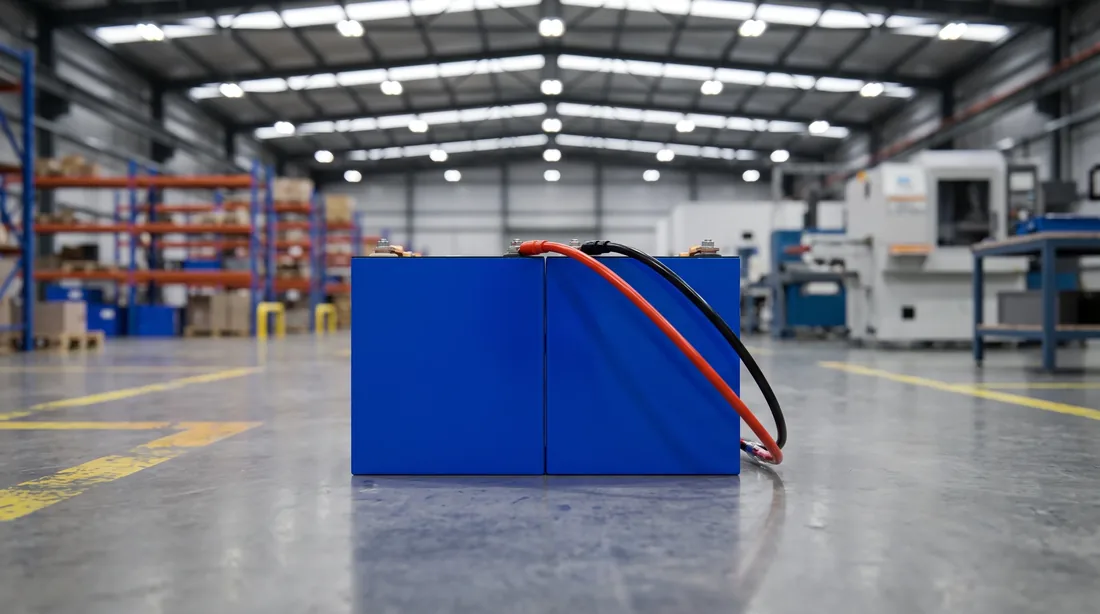
A takt figure means nothing without a unit. Ours is stated: a 314 Ah prismatic cell, a 1P13S module and a 1P52S pack, with dimensions and mass published below.
⚠️ These are the blueprint configuration used for quoting — not the only configuration the line builds. The compatibility envelope is in section 08.
The three layers of the blueprint
- 314 Ah — the prismatic cell format
- 1P13S — the blueprint module
- 1P52S — the blueprint pack
- 314 AhPrismatic cell — the blueprint format
- 1P13SBlueprint module
- 1P52SBlueprint pack
You already know you are building a storage pack. What is still open is what it is measured against.
This page assumes that. It is here to give you a basis, not to explain what an energy-storage system is.
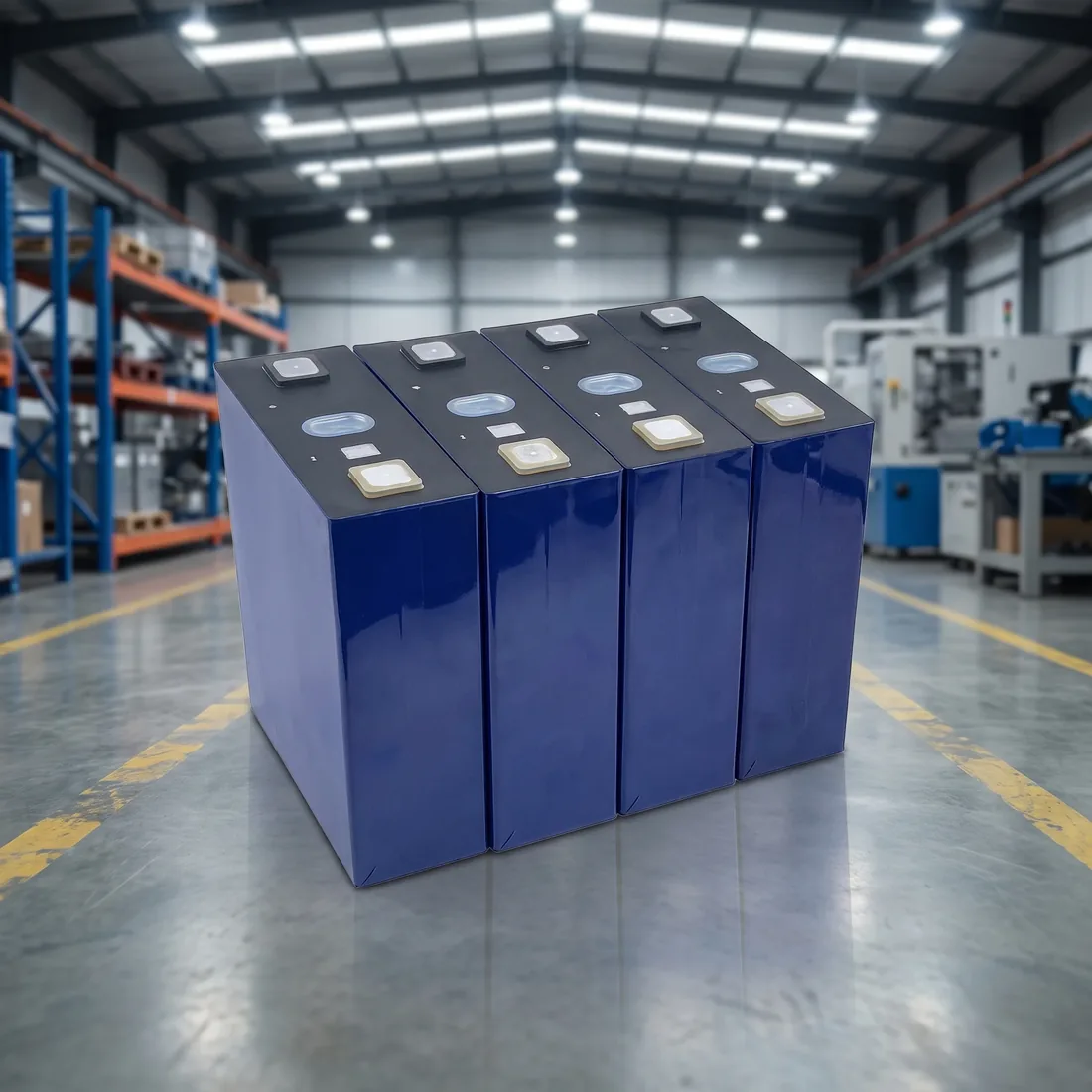
The cell is contracted
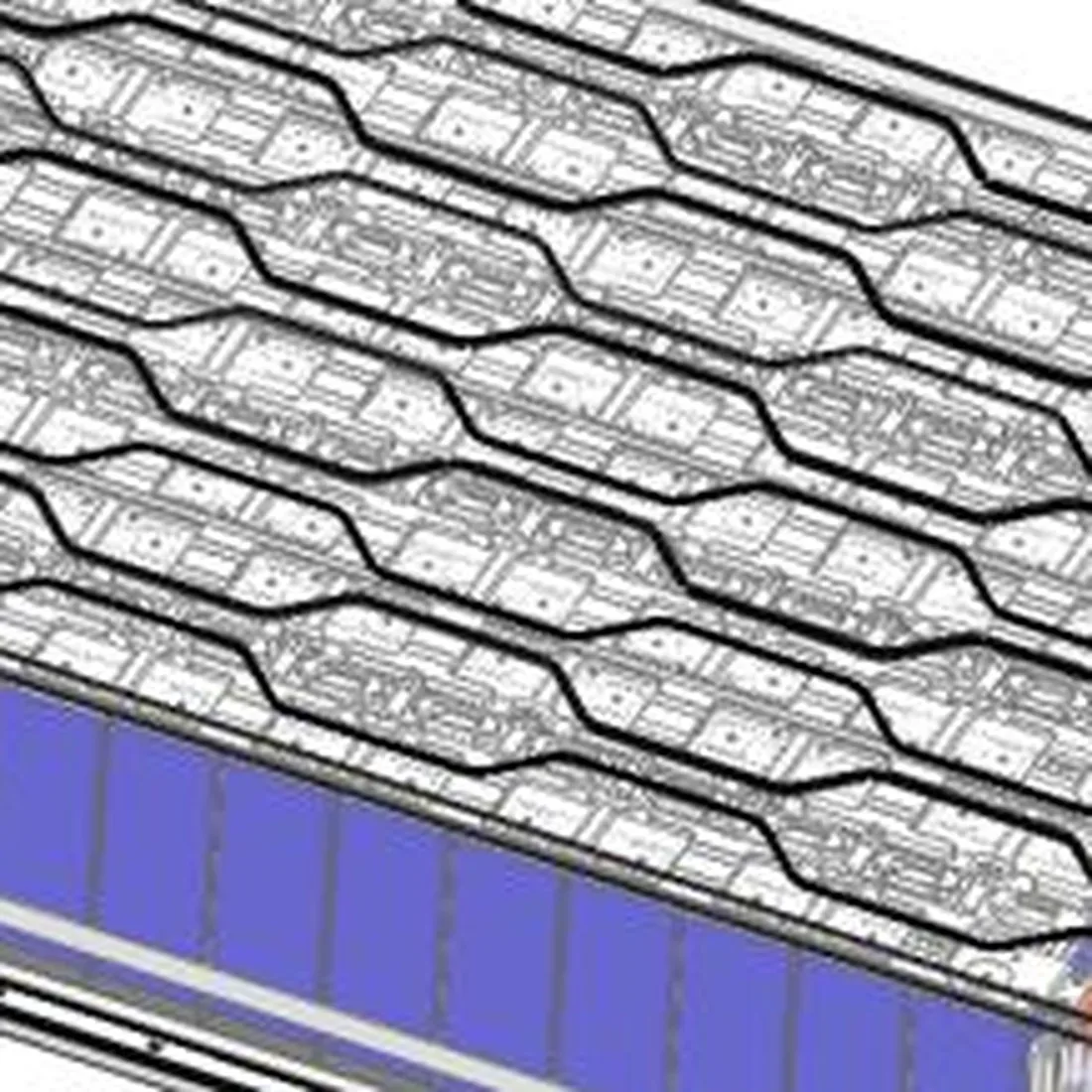
The enclosure and the cooling plate are in design
The system class is decided
What is not decided is the basis
So this page starts with the blueprint rather than with the product. A basis you can read is what makes two prices comparable; everything else on this page follows from it.
Three ways a storage pack line differs from an EV one, in the places it costs money
The station sequence is the same. These three are where the same sequence behaves differently.
The pack is bigger and heavier, and that lands on handling
The enclosure is usually still moving
The system class changes the pack, not the line
None of the three is a reason to buy a different line. All three are reasons to state the blueprint before comparing prices — which is what the rest of this page does.
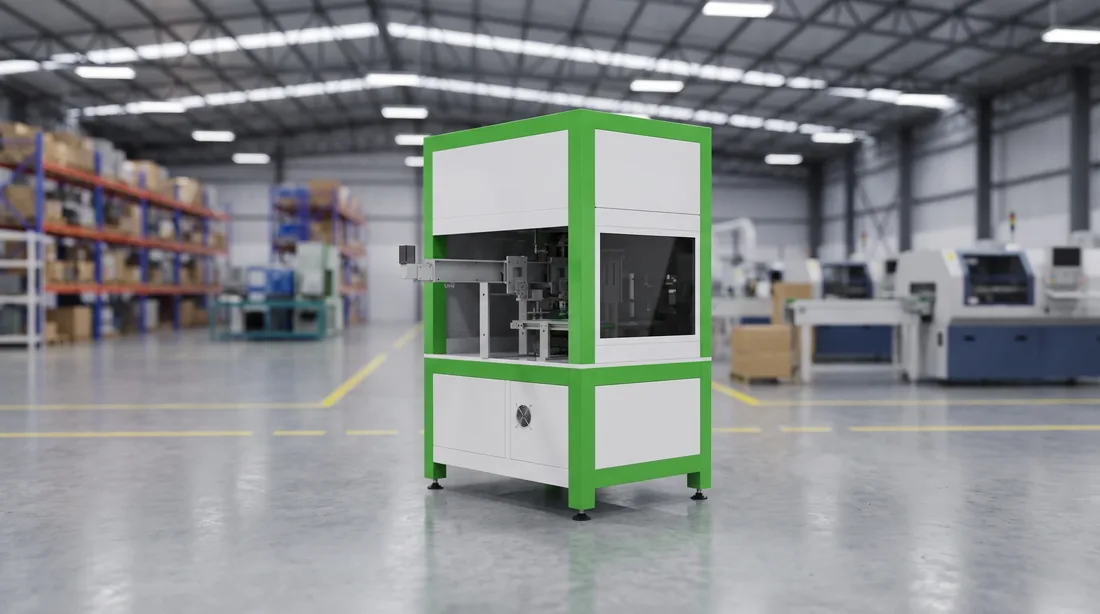
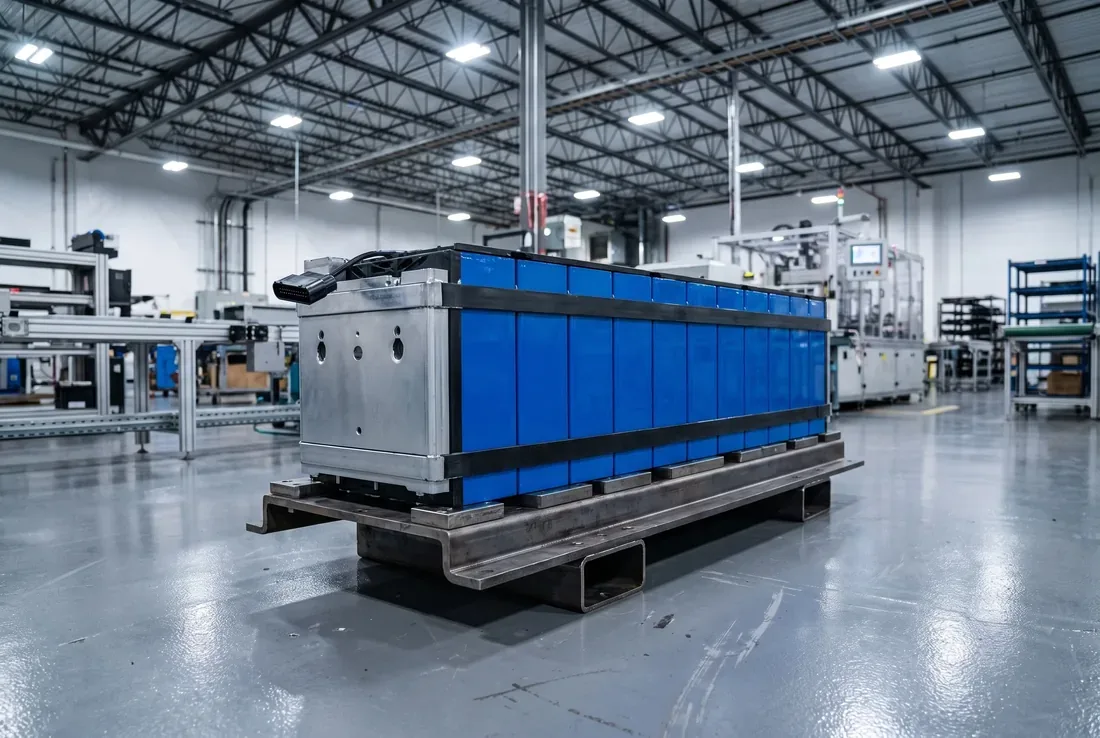
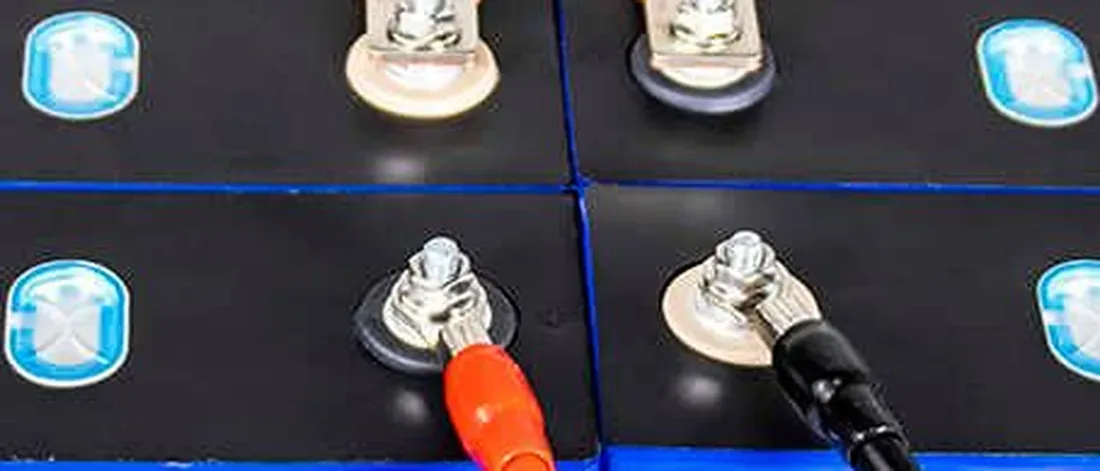
Eight packs per minute. Eight of what? A takt figure without a blueprint is a number with no unit attached to it.
314 Ah
1P13S
1P52S
The blueprint is three objects, and each one constrains the next
Cell into module, module into pack. Naming all three is what makes the basis complete rather than suggestive.
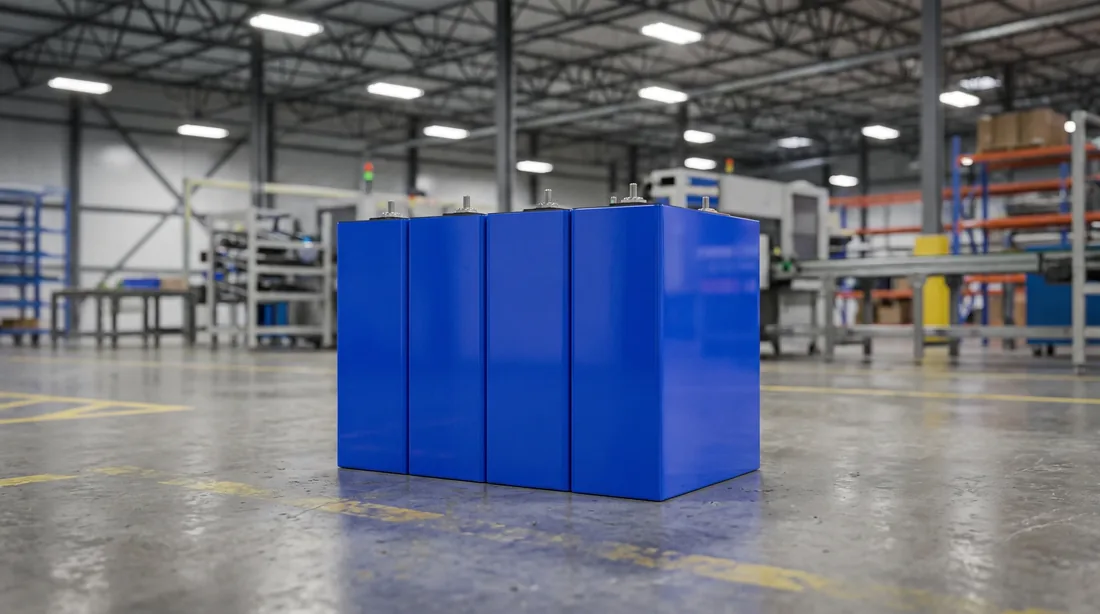
Each layer inherits from the one before it, which is why a change at the cell level is never only a cell change. Dimensions and mass for all three are published in the next section, in the two columns the source data actually uses.
The blueprint and the envelope, in the two columns the source data uses
⚠️ The two tiers are not quoted against the same figures. Merging them would be tidier and wrong, so this table does not merge them.
| BLP-P8Standard tier | BLP-P8S / P15Economy and high-automation tiers | |
|---|---|---|
| Blueprint cell | 314 Ah prismatic207 ±0.5 × 173 ±0.5 × 72 ±0.5 mm | 280 / 314 Ah prismaticthickness 71.3 × width 174 × height 207 mm |
| Blueprint module | 1P13S | 1P13S978.4 × 178.9 × 205 mm, ≤100 kg |
| Blueprint pack | Not stated in this column | 1P52S1152 × 810 × 243 mm, ≤400 kg |
| Cell envelope | Not stated in this column | width 100–220 / height 100–220 / thickness 20–80 mm |
| Module envelope | length 300–1000 × width 150–370 × height 100–240 mm | length 400–1200 × width 100–300 × height 100–250 mm |
| Pack envelope | length 600–1200 × width 300–800 × height 100–250 mm | Not in the source data |
| Large-format roadmap | 587 Ah RoadmapUnder consideration for future compatibility | Not stated in this column |
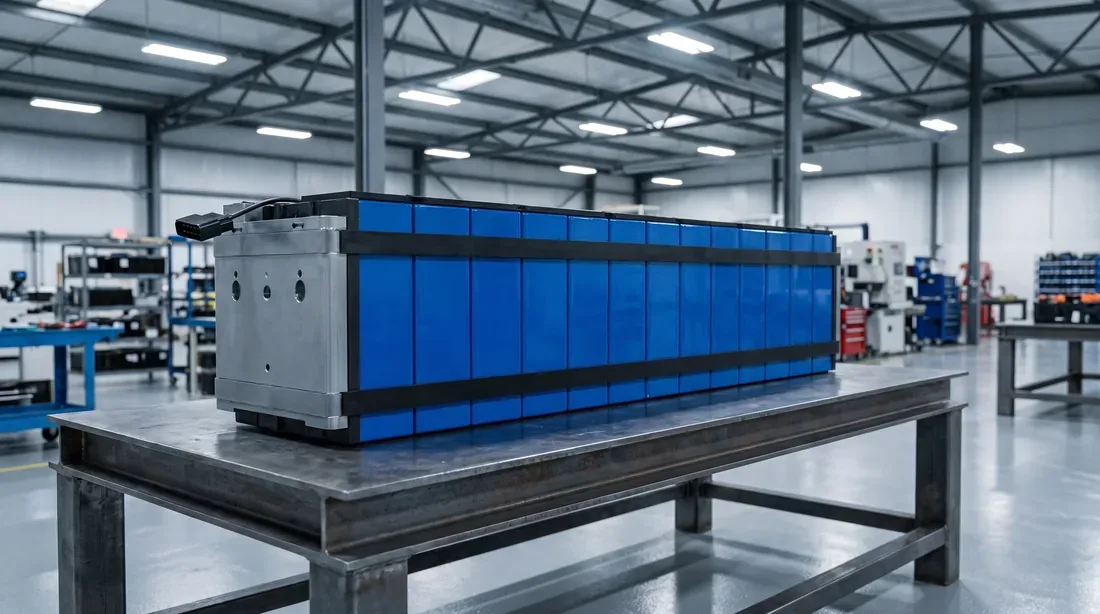
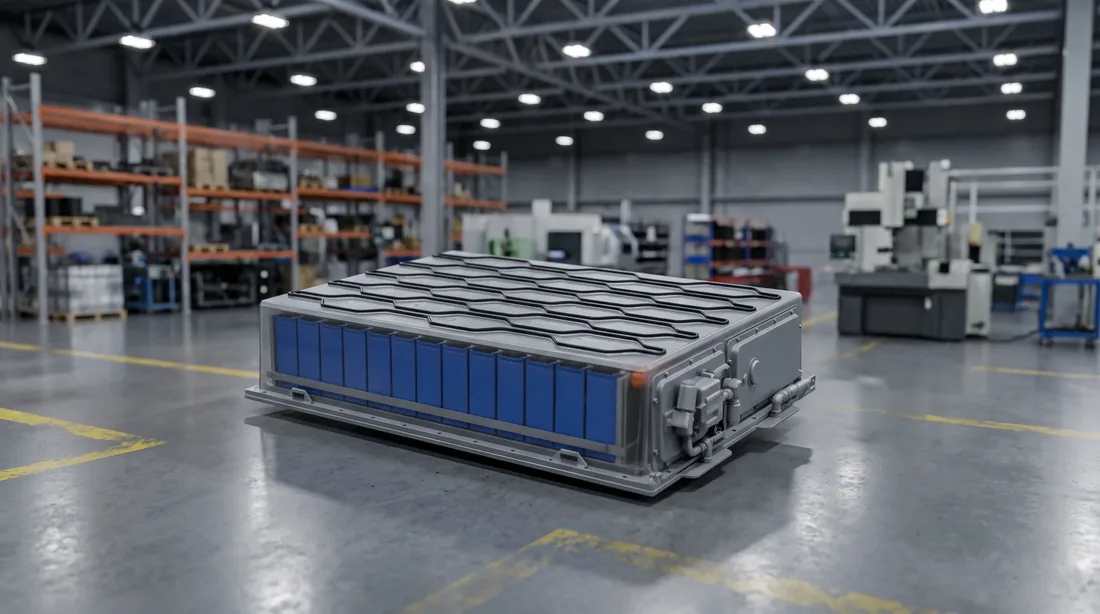
A blueprint is a pricing basis, not a product
Every performance figure this company publishes is a rate. A rate needs a unit — and this is it.
- Why this one
Every rate we publish needs a unit, and this is the unit.
Four to eight, eight, twelve to fifteen packs per minute, and the annual output ranges that follow from them, are all rates. Without a stated blueprint the unit is missing, and the figure is unfalsifiable. - Without it
Three quotations agree at “8 PPM” and describe different jobs.
One was priced against a module you could lift with two hands; another against something twice the mass with twice the busbar length. Both statements are true. They are not the same statement. - What it costs
You cannot catch it by comparing takt figures, because the takt figures agree.
You catch it when the line is commissioned against your actual module and the rate is not the rate — at which point the argument is about what was implied rather than about what was written. - What we do about it
State the blueprint in the same place as the rates.
1P13S at ≤100 kg and 1P52S at ≤400 kg, against a 314 Ah prismatic cell. Every PPM figure on this site is quoted against it, and the annual output figures state the same basis again: the blueprint cell, 300 days a year, eight hours a day. - What proves it
One question, asked of every quotation including ours.
Take any rate we publish and ask what it is a rate of. The answer is on this page, in the same units. Ask a competing quotation the same question. A rate whose basis cannot be produced is a rate that was never meant to be compared.
Takt and annual output per tier are stated once, on the tier-selection page.
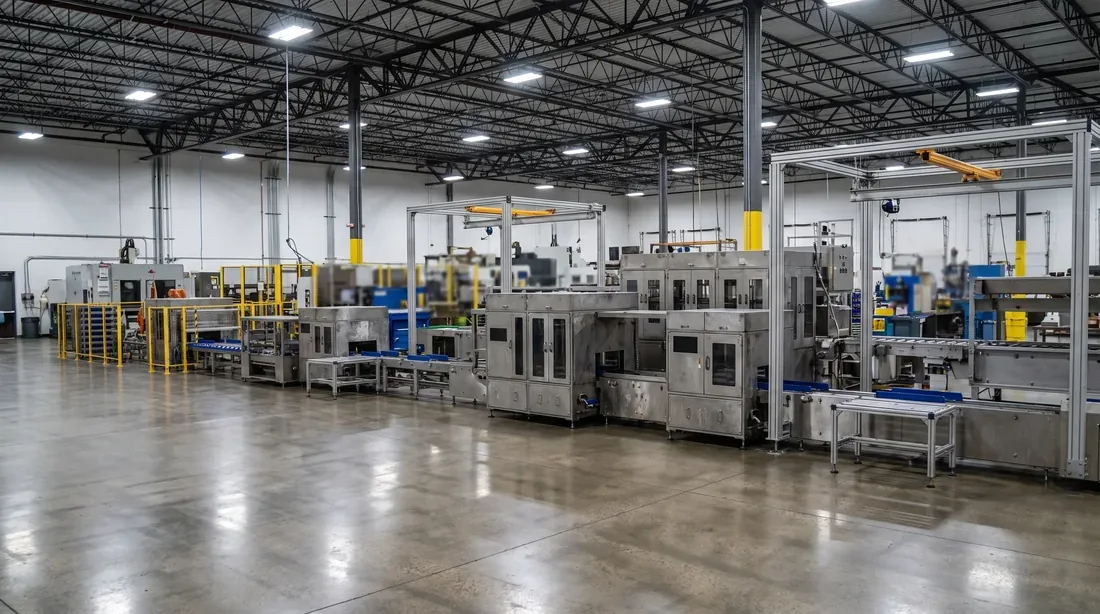
The envelope tells you whether to start the conversation, not what your line will cost
Both tiers publish ranges. The ranges answer one question, and it is worth being precise about which.
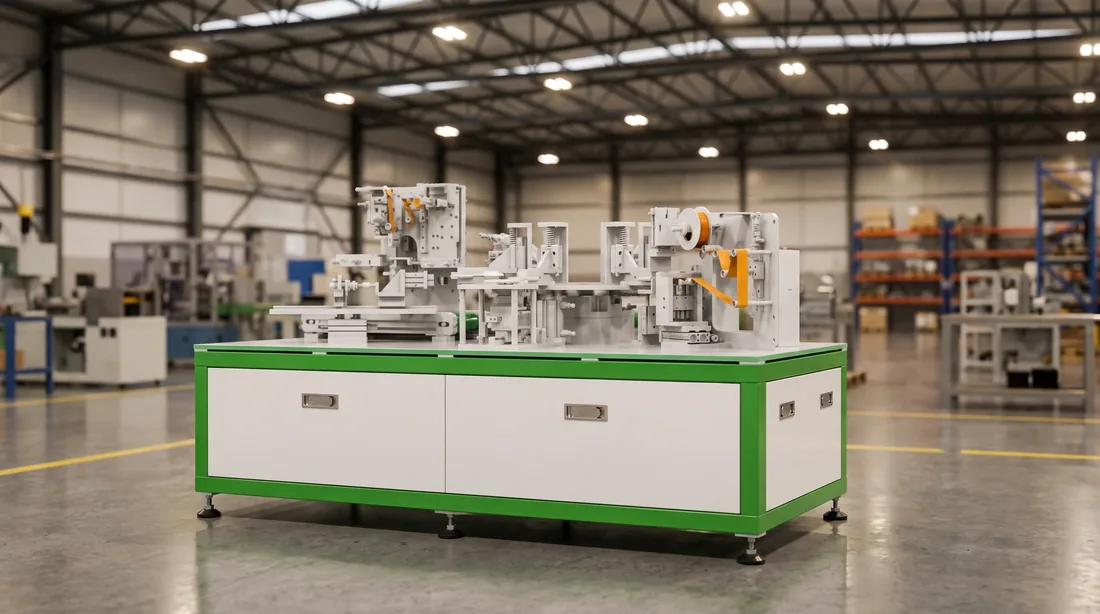
A starting question, not a closing one
Both tiers, both ranges
Where the price of moving lives
Three classes of storage system — industry classification, not our product line
These are industry categories, reproduced so the rest of this page has something to refer to. They are not three products we sell.
Residential storage
5–30 kWhVoltage level
Architecture
Typical application
Commercial & industrial storage
100 kWh – 10 MWhVoltage level
Architecture
Typical application
Grid-scale storage
10 MWh – 1 GWh+Voltage level
Architecture
Typical application
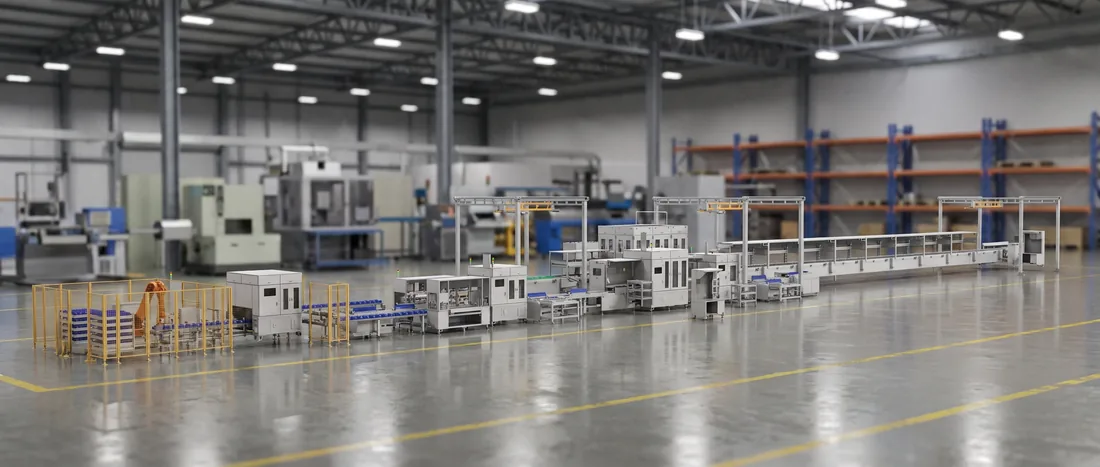
Air or liquid — the choice that reaches furthest into the pack segment
⚠️ Industry practice, reproduced as context. Which route your pack uses changes what the pack segment has to do with it.
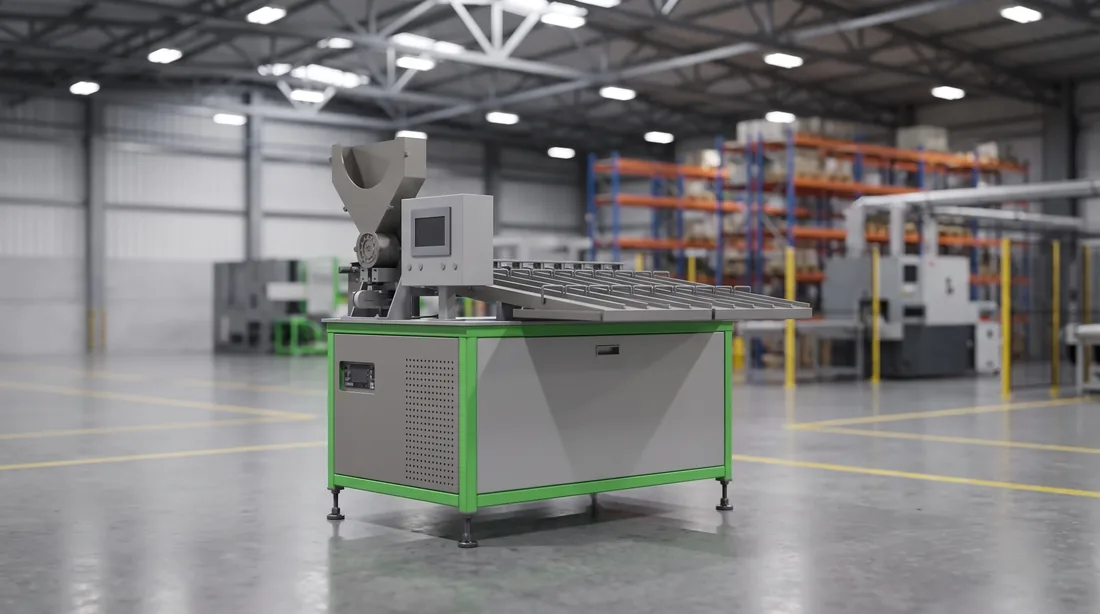
Liquid cooling puts a plate in the pack segment
Which is why it belongs in the first email
The module segment barely notices
What changes on the line when the system class changes
The classification above is the industry's. This is ours.
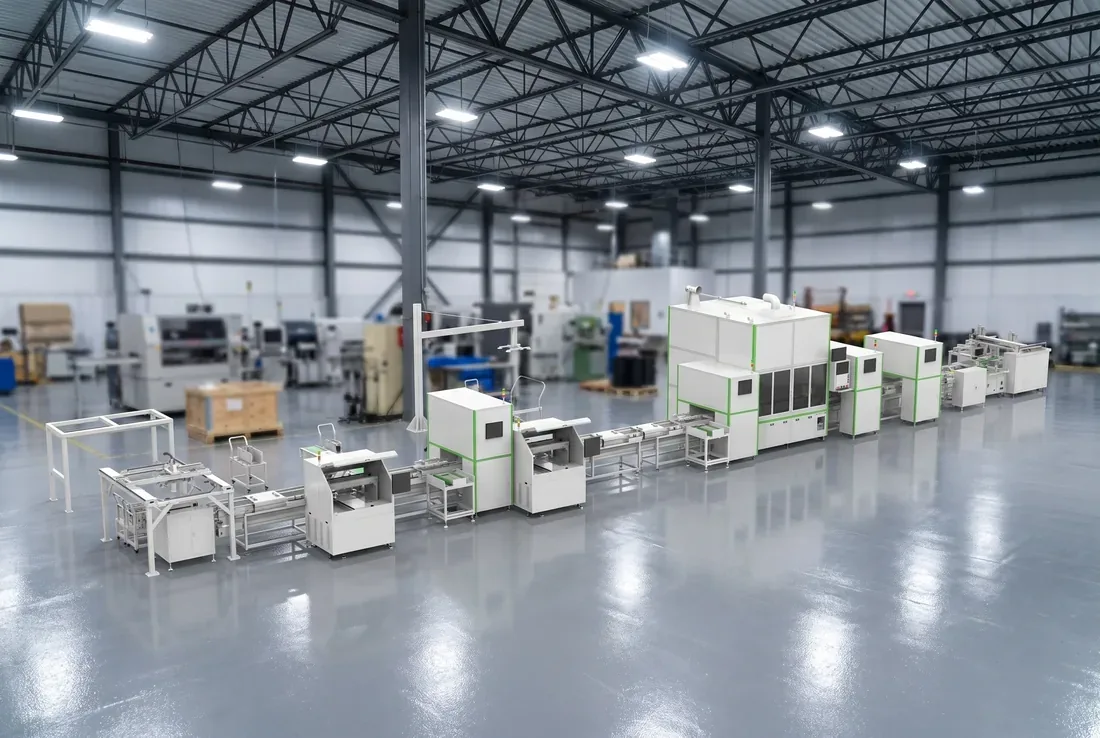
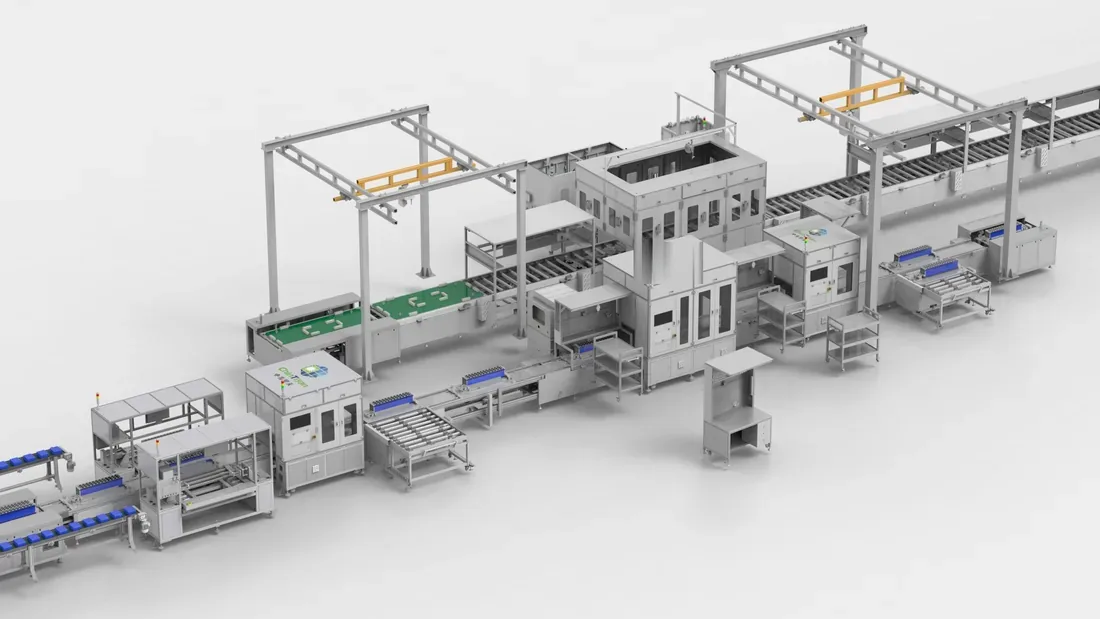
Residential — smaller packs, same two segments
Commercial and industrial — the blueprint case
Grid-scale — same packs, more of them
In all three, the module segment and the pack segment are the same two segments. What the class actually decides is the pack you hand the line — its mass, its enclosure, its cooling route — and every one of those is a tooling input rather than a different line.
Send the pack drawing, and we will quote against it instead of against the blueprint
The blueprint is what we publish. Your pack is what you are buying a line for — and the moment we have its drawing, every figure in a quotation can be restated against it.
Reply within 24 hours / If the enclosure is still moving, say so — that changes what is useful to send
Four things move between the published blueprint and the pack you actually build
Each one is decided somewhere specific, and each one has a page that owns it.
Dimensions
Mass
Cooling route
System class
What we need to restate a quotation against your pack
What stays the same regardless
Four questions that make two storage-line quotations comparable
What blueprint is the takt figure quoted against?
Are the envelopes stated per tier, or as one range?
Is the cooling route priced in?
Where does the supplier's scope end?
We publish a blueprint, two envelopes and one gap. A quotation with no blueprint and no gaps is not a more confident quotation — it is a less specific one.
Where the stations, the thresholds and the tiers are written up
- Cell handling
- Module segment
- Pack segment
- Blueprint & envelope — you are here
Say which cooling route you are on
It is the earliest fork in the specification and the cheapest one to get right.
Air and liquid are two different lines