Contact / the three lines, and what comes back
Three Lines Decide Whether There Is a Project Here.
The Form Below Is Those Three
Cell format, target PPM, and the bay it has to fit inside. Everything a layout gets drawn from is in those three, and a reply comes back within 24 hours.
Reply within 24 hours / Nothing is transmitted from this page — the form opens your own email client.
The three lines
- Cell format
- Target PPM
- Bay L × W × clear height
The three lines, as three fields — and one of them has three boxes
Nothing here is scored or routed. The fields are the three facts a layout is drawn from; the rest is how to reach you.
Your enquiry, ready to send
If your email client opened, it is already in the message. If nothing opened — many buyers work in webmail — use one of the two routes below. Nothing was transmitted from this page.
Why these three, and why a longer form would not help you
Each of the three settles something that nothing downstream can be decided without. A fourth field would collect information nobody can act on yet.
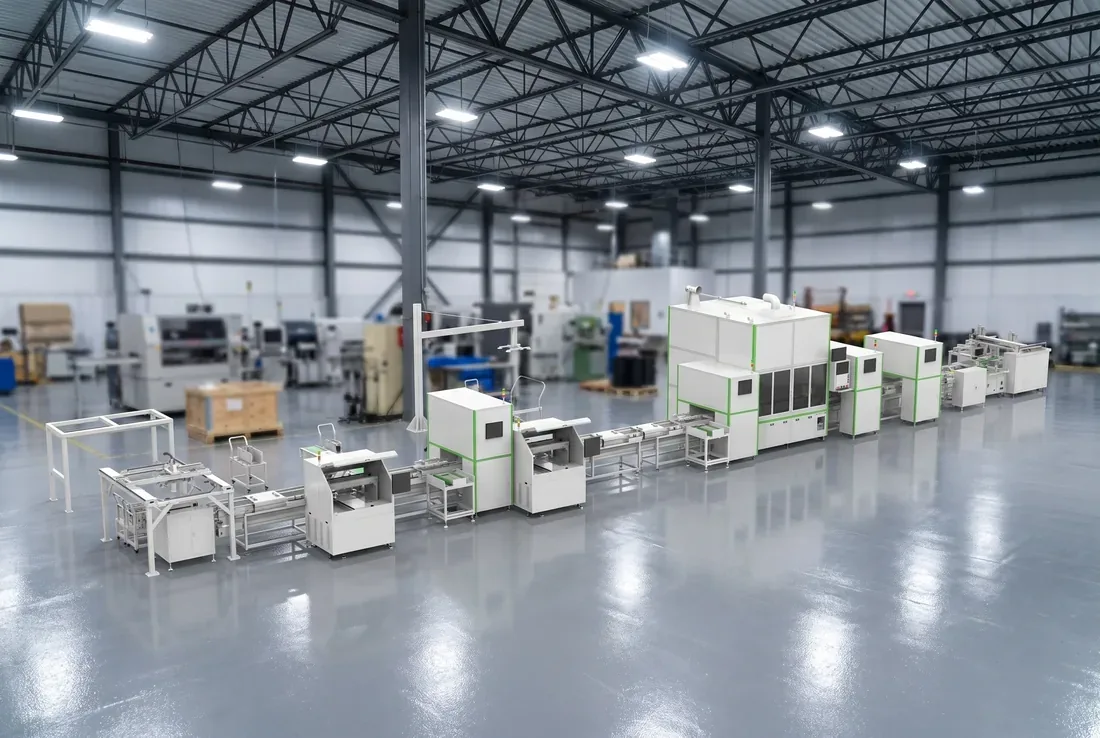
The clear height is the one number on this form that is usually remembered rather than measured.
Read off a drawing
Answered from memory
And the layout inherits it
Where the clear-height number actually comes from, and why it is usually wrong
Which number counts — measured under the lowest obstruction — is settled on the tier page. Where that number comes from is not, and it is almost never the drawing.
- Why this one
Length and width get read. Height gets recalled.
A plan view is in front of whoever answers your email, so the first two numbers are transcribed off it. There is no plan view of the roof on that desk, so the third is answered from memory — and what people remember is the figure the building was sold with. - What it costs
The gap is everything hung under the roof after the building was finished
Sprinkler mains, lighting runs, cable trays, ducting, a crane rail. None of it was on the drawing the height came from, and any one of them can take four hundred millimetres off the usable height along exactly the run the line needs. The layout comes back drawn against the wrong ceiling, and it holds up right until the frames are on site. - What we ask for
Two things rather than one: the number, and what is at it
A lighting run moves in an afternoon. A crane rail does not move at all, and a sprinkler main moves only with a drawing and a permit. The remedy is different in each case, so the reply cannot be written from the number on its own. - Checked against
Published figures, not a judgement made at our end
The three configurations need between 3.5 and 4 metres of clear height, and the floor has to carry 800 kg/m² — the second building figure, and the one usually answered from the same source with the same error. Machine heights sit underneath that: the offline gantry welder is 2000 mm as a machine before any service clearance above it, and the unloading robot works through a reach of 2650 mm or more. Full footprints per configuration are on the tier page; the machines themselves are on the equipment page. - If it comes back short
Length and width can be re-run. Height cannot.
The footprint is adjusted to the building you have, and the two horizontal dimensions are the ones with room to move. So a short clear height gets named in the first reply, together with which configurations it rules out, before you spend a fortnight comparing them. And if you are not certain of the number, send it marked provisional — the layout comes back marked provisional too, which is worth more to you than a confident wrong number nobody at either end can detect.
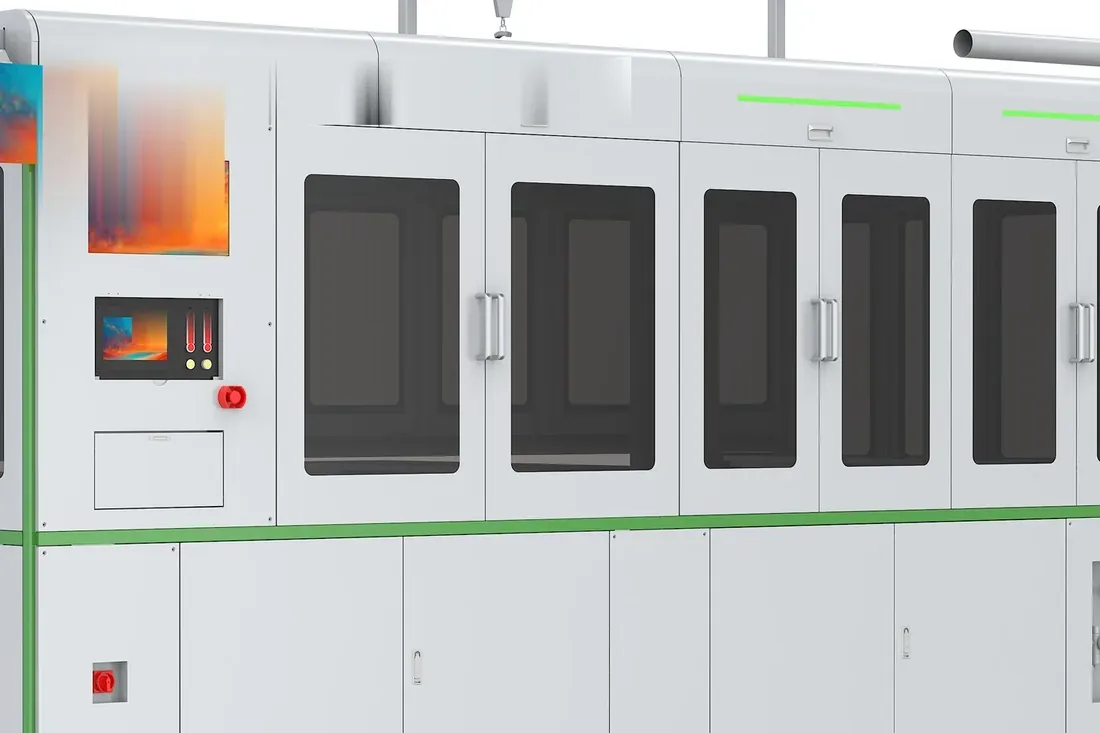
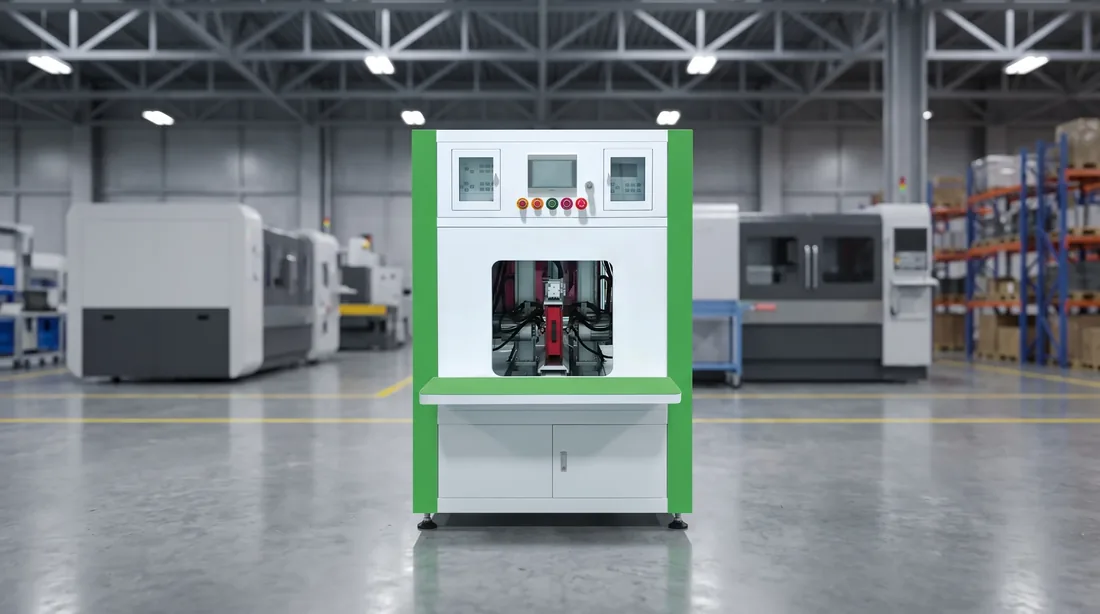
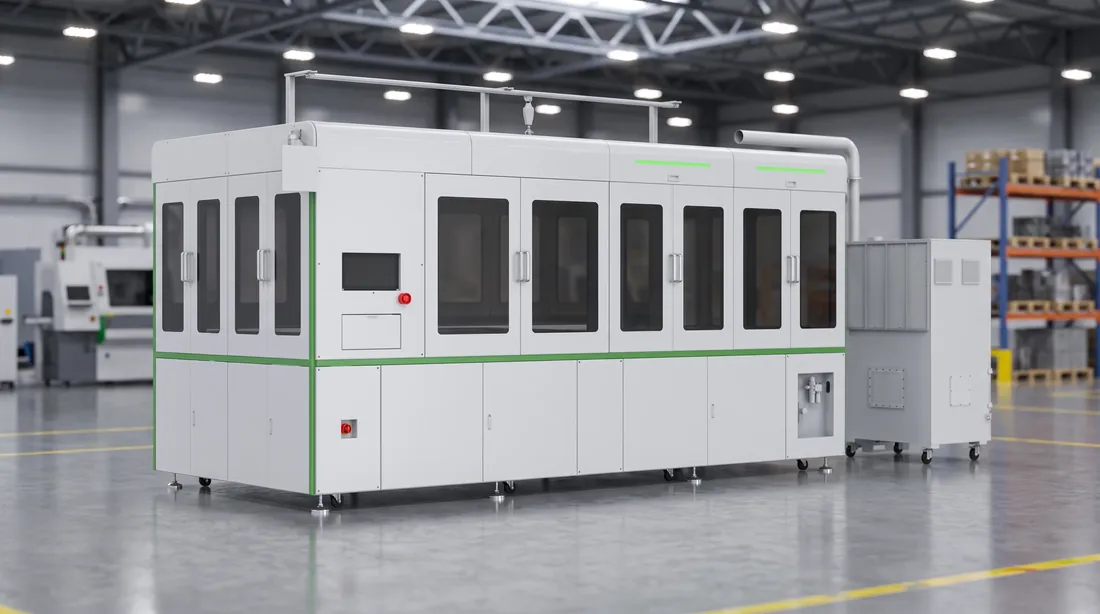
If one of the three is missing, send the other two and say which
A partial enquiry is still worth sending. What changes is what comes back, and each of the three degrades differently.
Cell format
If you do not have it yet
What still comes back
Target PPM
If you do not have it yet
What still comes back
Bay L × W × clear height
If you do not have it yet
What still comes back
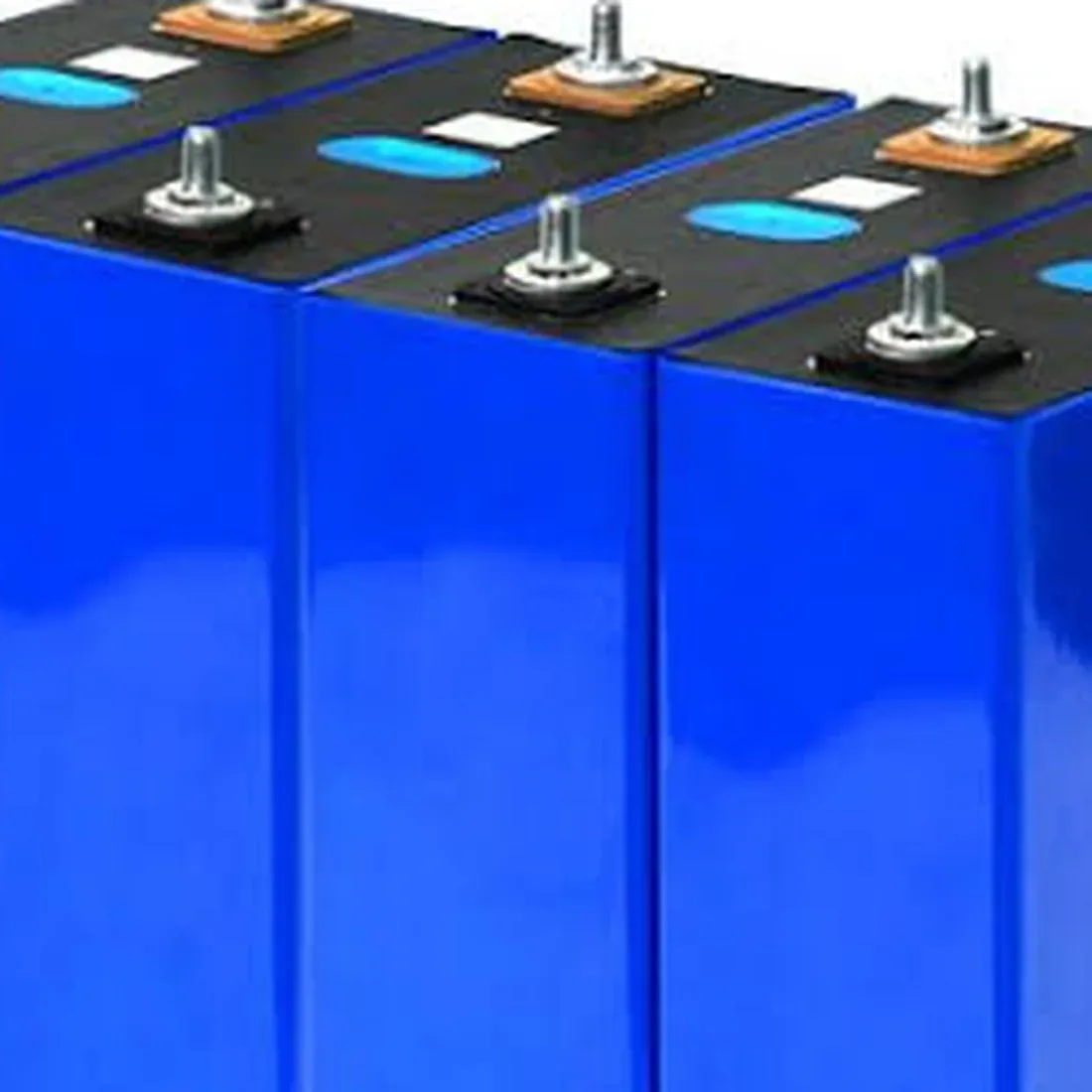
Three lines. One of them has three boxes.
Everything above is why the fields exist. Filling them takes about a minute.
Reply within 24 hours.
What lands in your inbox, and the one number that will not be in it
The first reply is made of attachments rather than adjectives. Here is what each one is, and what is deliberately absent.
- Attachment 01
Your bay, with the line placed inside it
Your length and width with the station sequence set out against them, and the clear height called out at whichever point it runs tight. Drawn to your dimensions rather than a standard footprint carrying your name. - Attachment 02
The configuration you land in, and whether a second one also fits
Where two of them work, the reply says two work. The full comparison stays on the tier page — the reply tells you which row you are on and what put you there. - Attachment 03
The station list, marked position by position
Module segment and pack segment, every position carrying its own automation level. The pack segment runs mostly on manual positions, and the list shows that rather than describing around it. - Not included
No price, and nothing that behaves like one
It follows the layout rather than preceding it, for the reason set out on the about page. The same station list in two different buildings is two different projects.
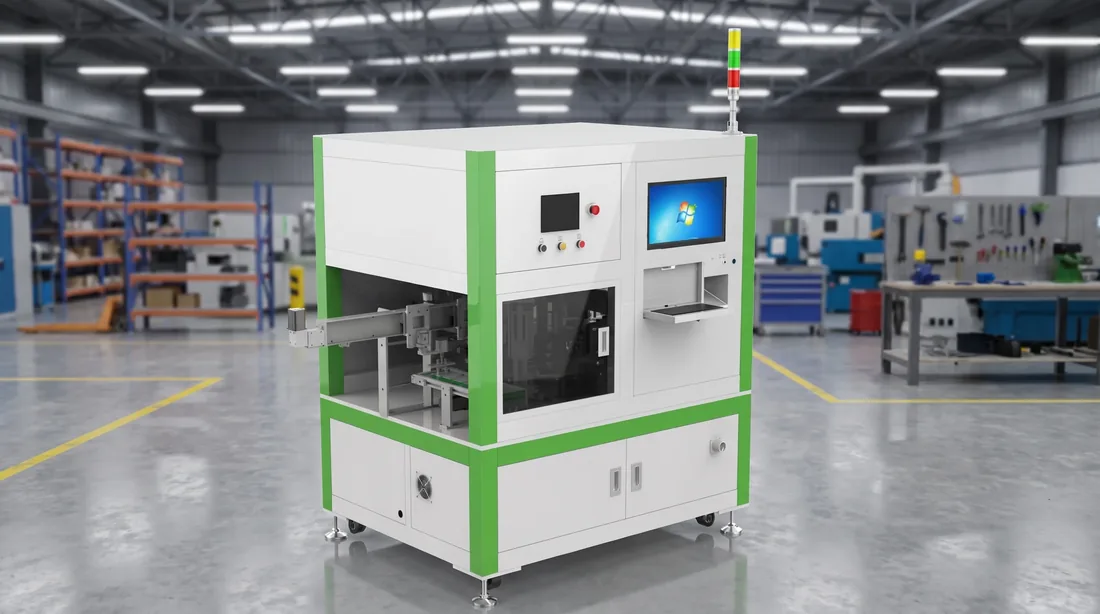
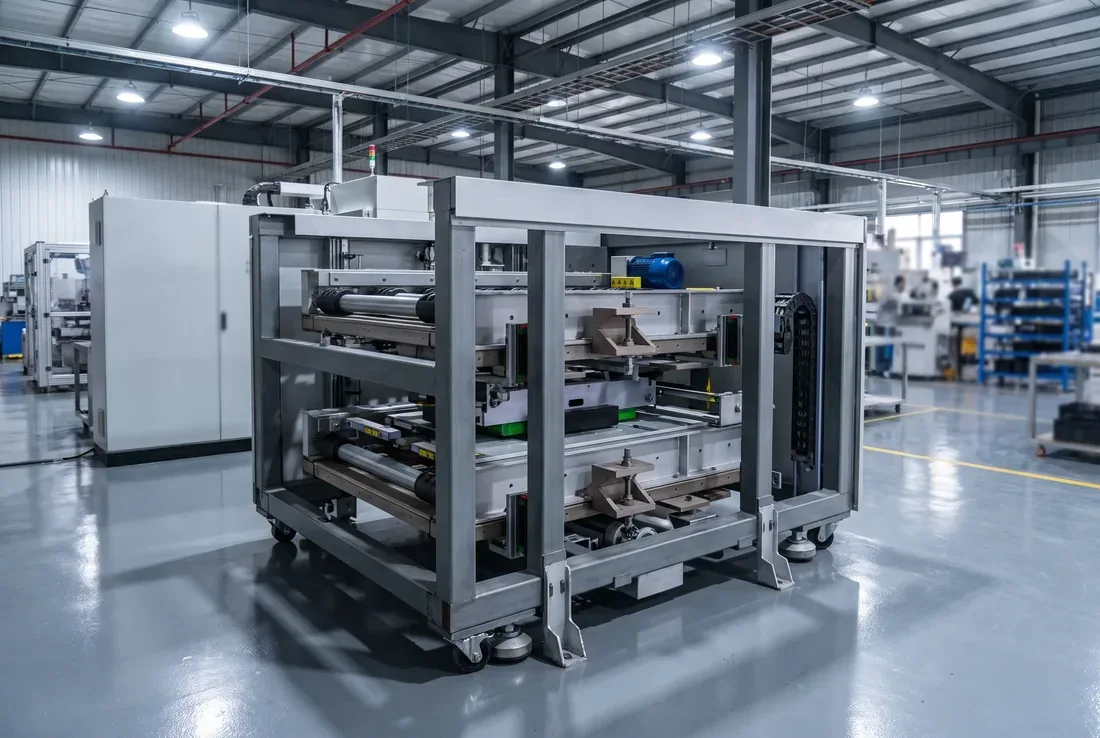
A no in the first reply costs you a day, not three weeks
Some enquiries are for equipment nobody here builds. What is worth knowing is how quickly you find that out, because the alternative is finding it out from inside a quotation.
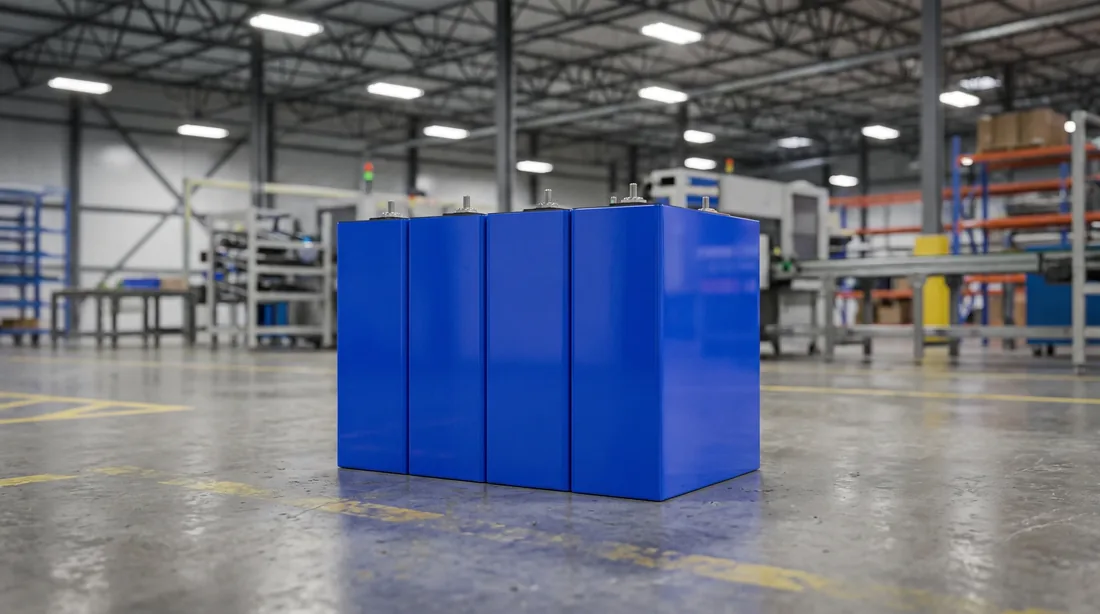
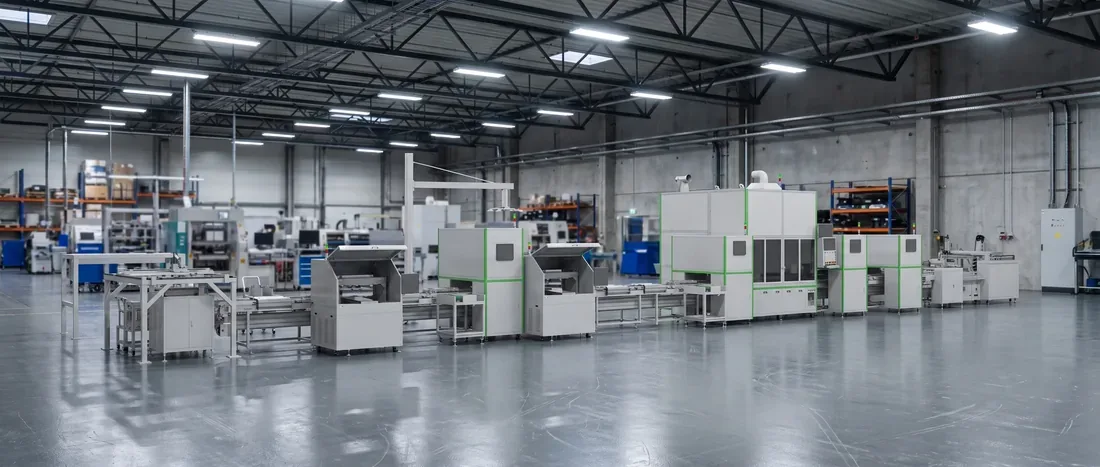
Where the scope starts and stops is set out on the home page.
Lead time and warranty terms are not published here, and what arrives instead
Both exist. What does not exist is a version of either that is true before your configuration is.
Lead time
Warranty terms
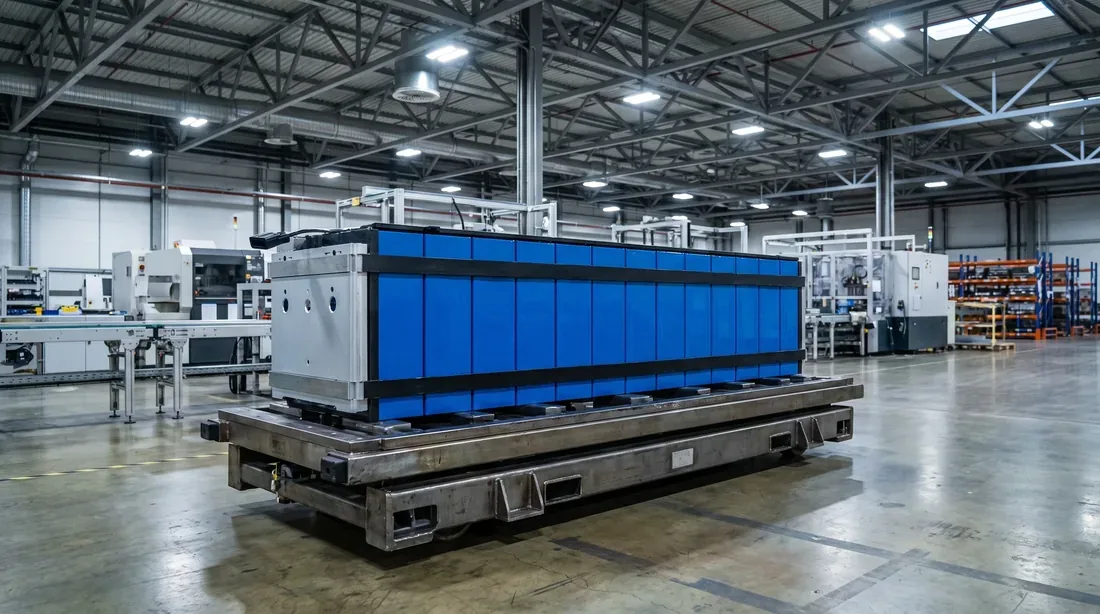
Four things you can check yourself before the reply arrives
All four are published, so each one can be run against your own figures without waiting on anyone here.
Equipment and delivery scope are on the equipment page; what separates this quotation from the others on your desk is on the about page.
The other routes, and which one suits what
The form is the fastest way to get a layout back. These are better for everything else.
The form above