Pack segment / 15 stations named
Battery Pack Assembly Line,
Station by Station
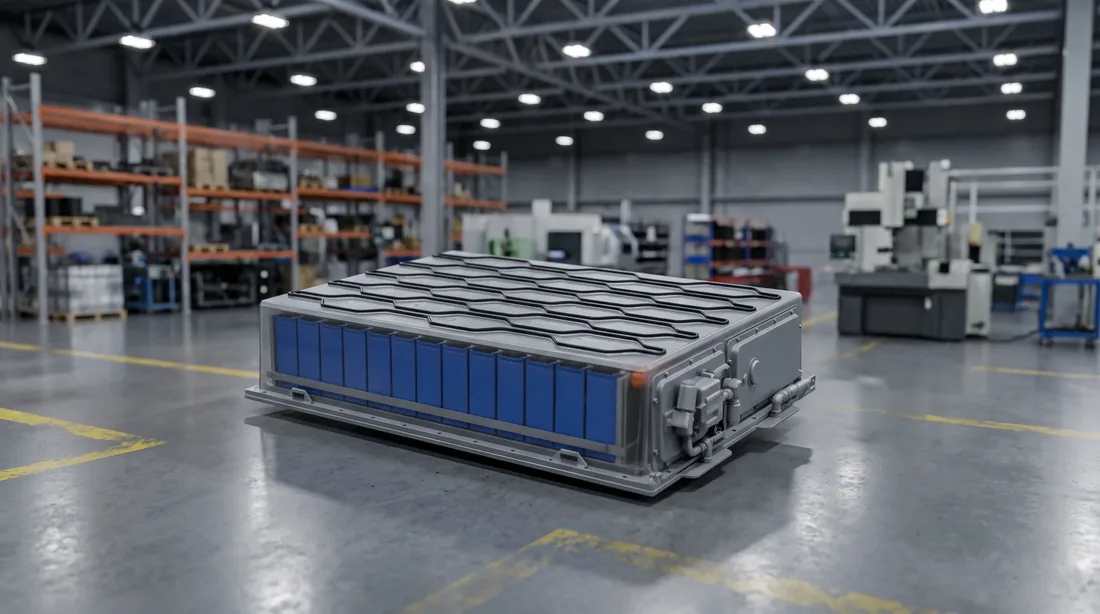
Prismatic module-to-pack assembly at 4–15 PPM, built around your enclosure, your liquid-cooling plate and your module — with the automation level of every station written down before you sign anything.
Where the segment stalls
- Station 3 — enclosure floor gluing
- Station 4 — module insertion
- The other eleven stations — headcount
- 01
- 02
- 03
- 04
- 05
- 06
- 07
- 08
- 09
- 10
- 11
- 12
- 13
- 14
- 15
The pack segment, station 01 to station 15 — station 03 is the only automated one
You have the cells and you have the order. What you don't have yet is the back end.
Most of the projects that reach us are at roughly the same point.
The cell is decided
So are the enclosure and the cooling plate
The output figure is already promised
The bay is fixed
Scope, so nobody wastes a call
Three places a pack segment stalls, and the station where each one happens
None of these appear on a line drawing. All three appear in week two of ramp-up.
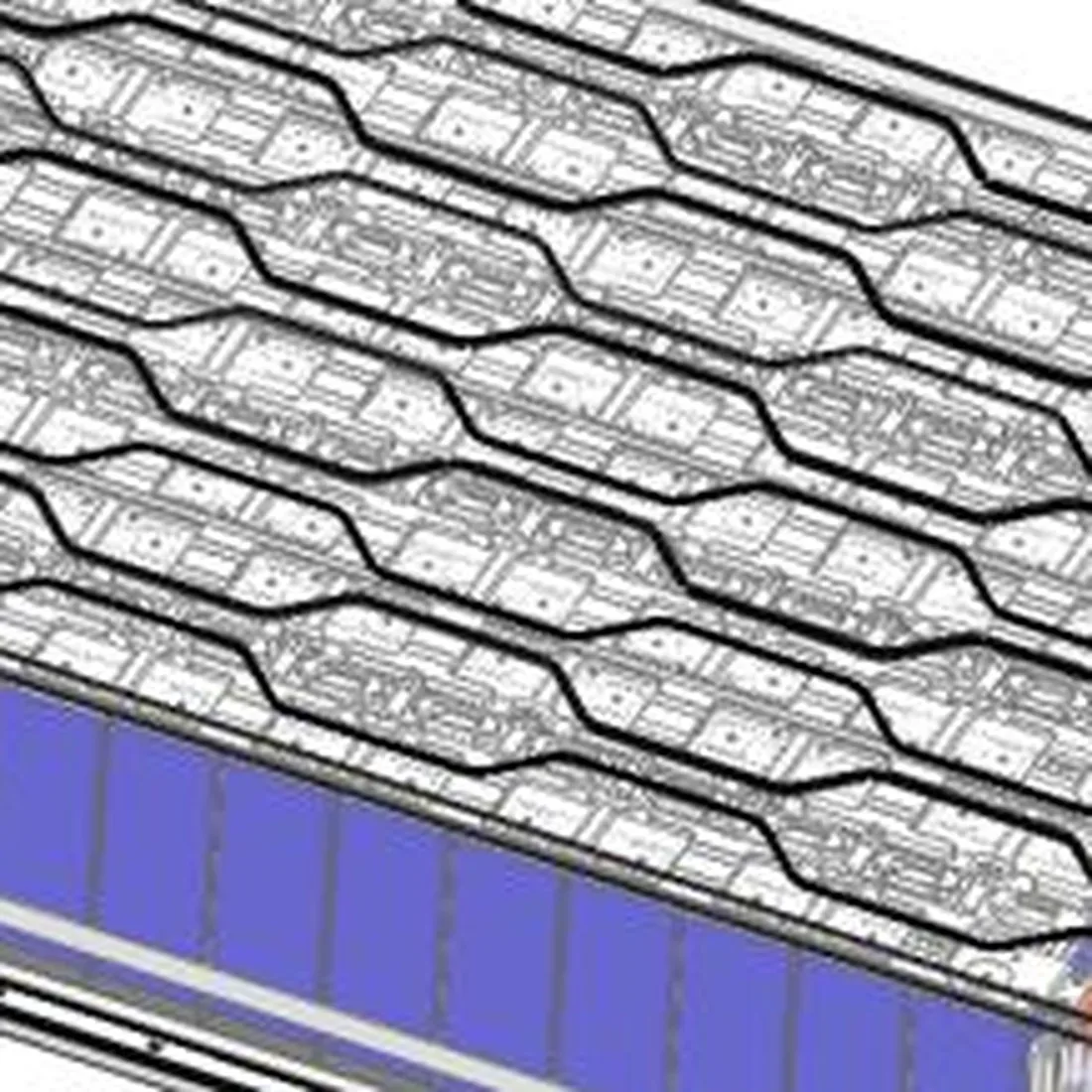
Station 4 — module insertion
Station 3 — enclosure floor gluing
The other eleven stations — headcount
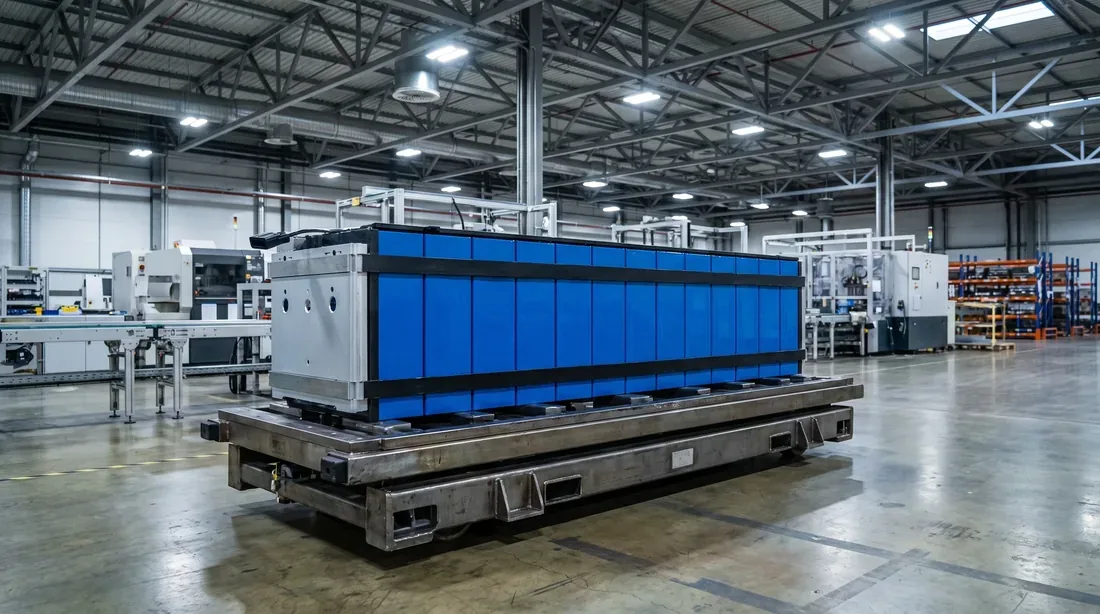
A pack line rarely stops where the drawing says it will. It stops at Station 4, with a module halfway into a box.
The enclosure
The module
The clearance between them
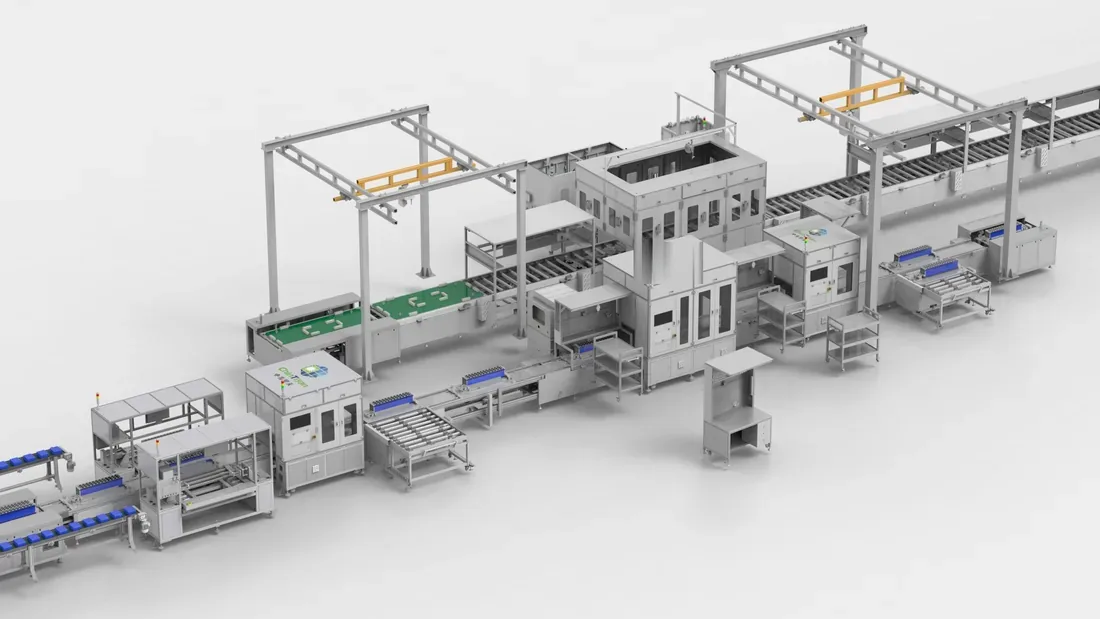
The pack segment: fifteen stations, named
Automation levels below describe the BLP-P8 standard configuration. Modules arrive from the module segment; packs leave tested and offloaded.
- Station 01Enclosure and liquid-cooling plate loading and cleaning MANUAL
- Station 02Liquid-cooling plate leak test MANUAL
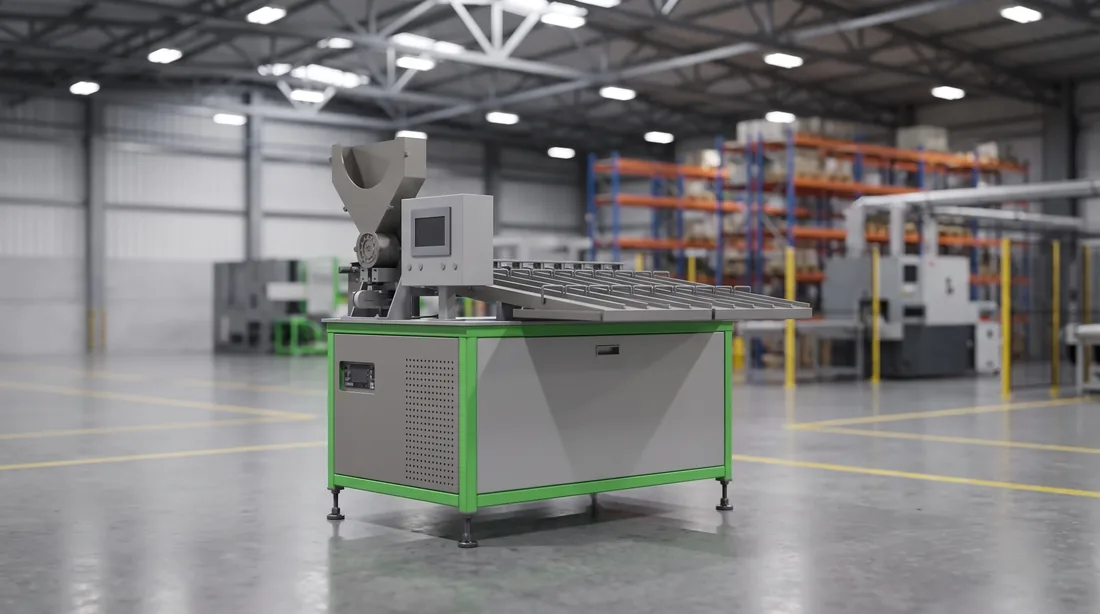
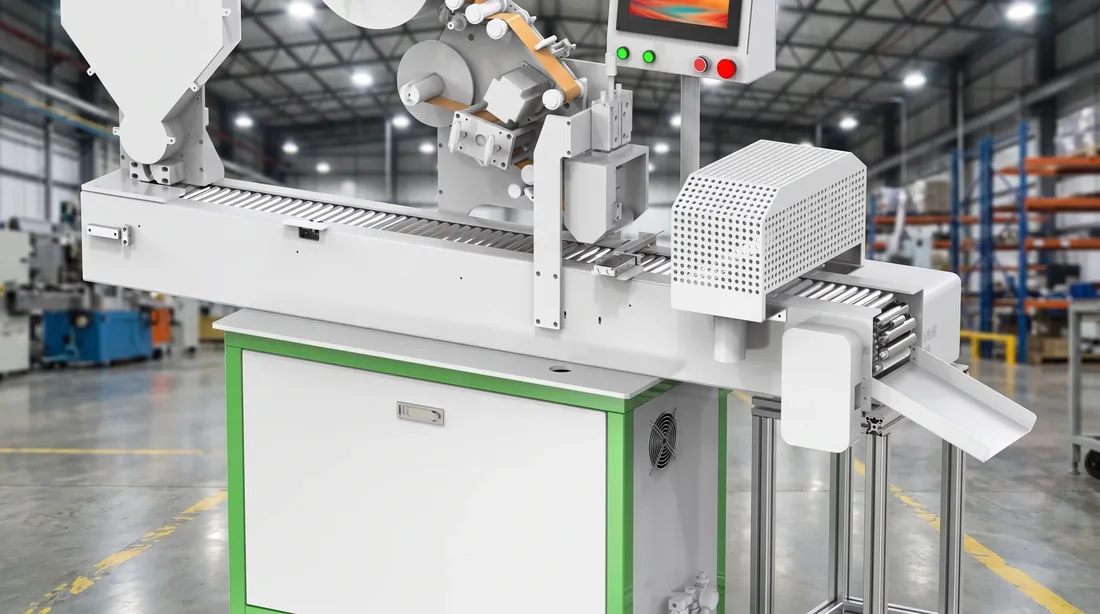
- Station 03Enclosure floor gluing AUTO
- Station 04Module insertion MANUAL
- Station 05Module fixing MANUAL
- Station 06Series busbar installation MANUAL
- Station 07BMS installation MANUAL
- Station 08MSD and HV/LV connector installation MANUAL
- Station 09Harness dressing MANUAL
- Station 10Top cover installation MANUAL
- Station 11Top cover tightening MANUAL
- Station 12Front panel installation MANUAL
- Station 13Whole-pack air-tightness test MANUAL
- Station 14Pack EOL test MANUAL
- Station 15Pack offload MANUAL
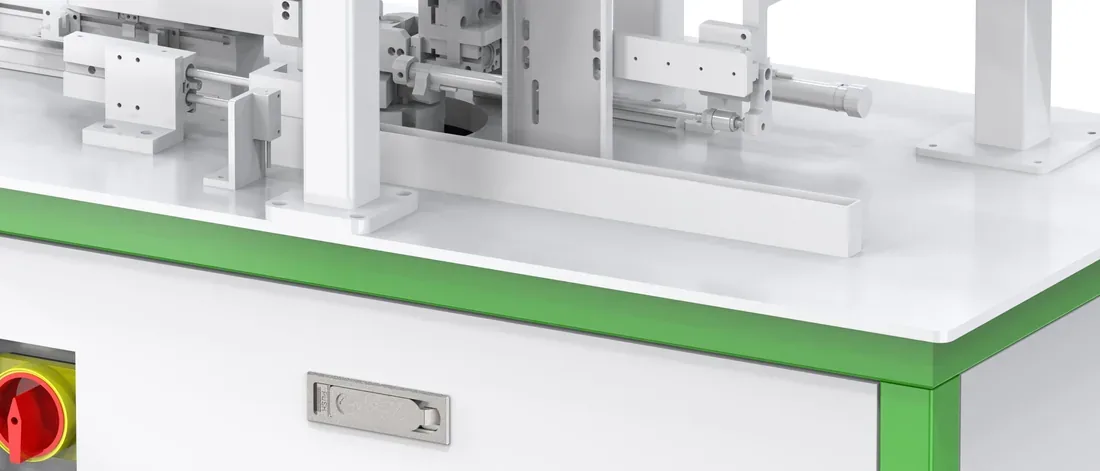
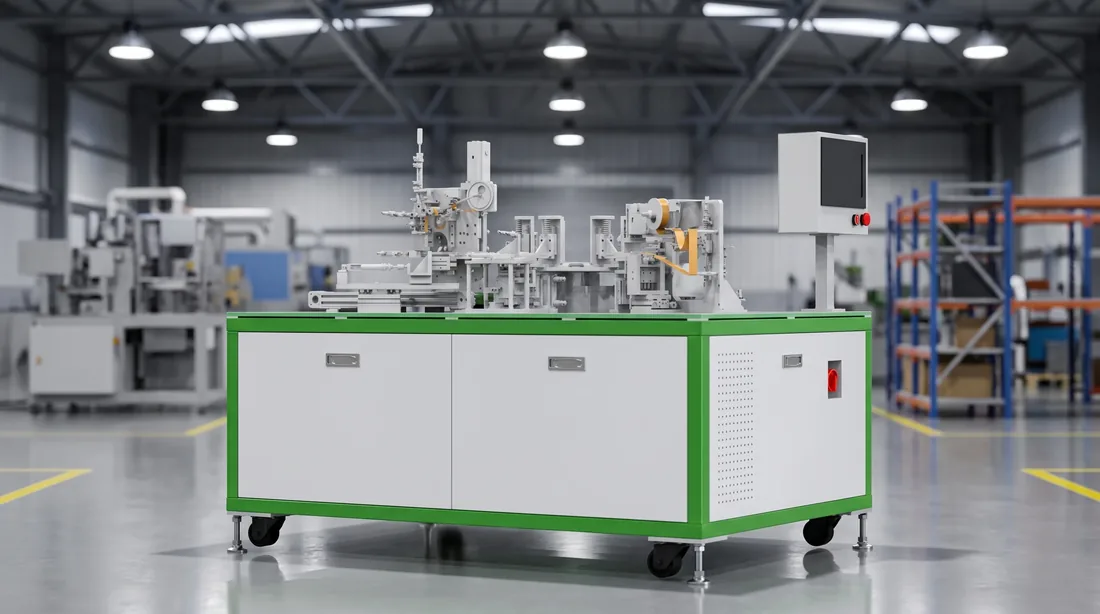
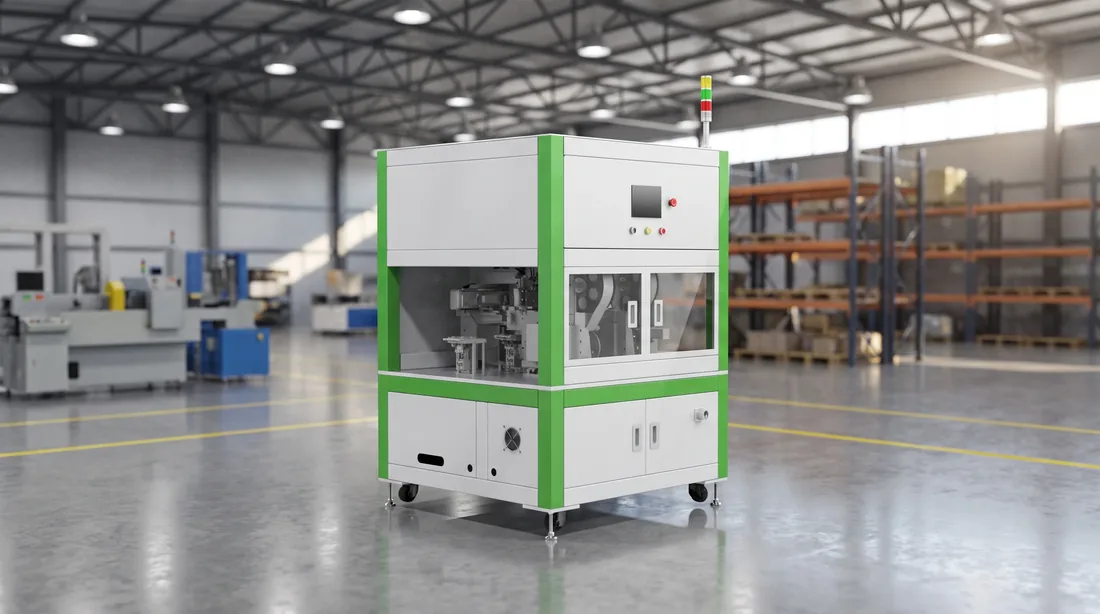
A bad bead at Station 3 is found at Station 13, ten stations later
That gap is the reason this is the one station in the pack segment that runs automated.
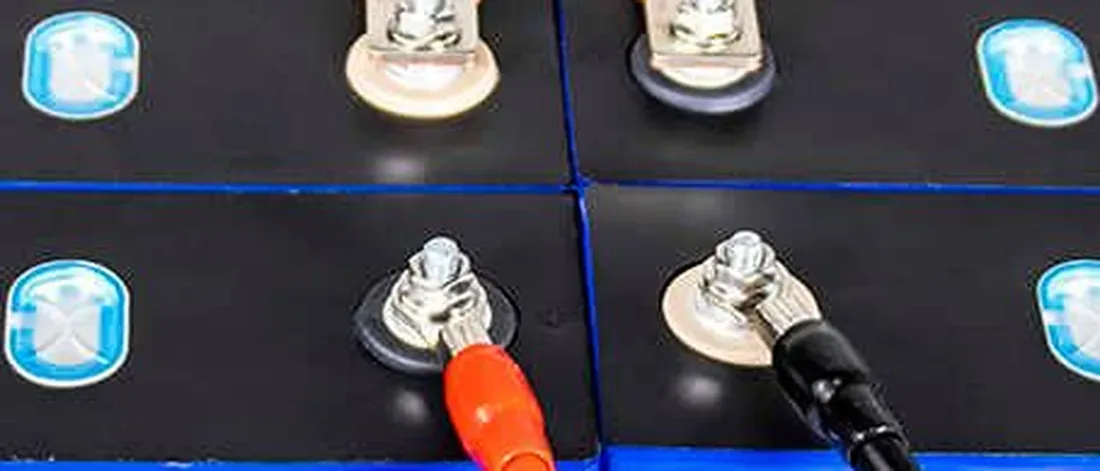
Count what is already inside the box
A pack that fails there does not fail cheaply
The same gap distorts your yield picture while you are ramping
So the bead does not get judged by eye here
Positioning, path and dispense-volume figures for this station are stated once, on the liquid-cooling plate gluing station page.
Station 4 is a tooling problem, and it gets solved before the line ships
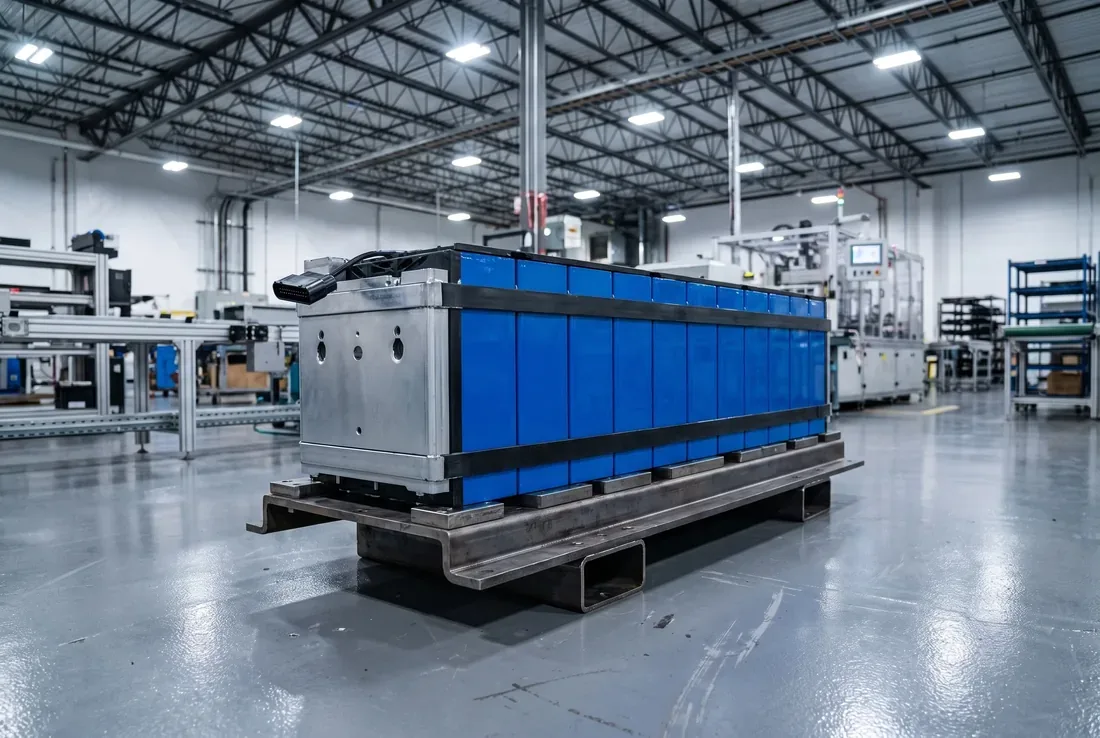
Insertion clearance is designed against your enclosure, your plate and your module — not against a blueprint pack.
Tooling is cut to your three drawings
The module arrives located, not shoved
The line bends to the building
Blueprint cell, module and pack dimensions for ESS packs are stated once, on the energy storage pack line page. Compatibility envelopes, and what a change of cell or module costs you in tooling and downtime, are on the compatibility and changeover page.
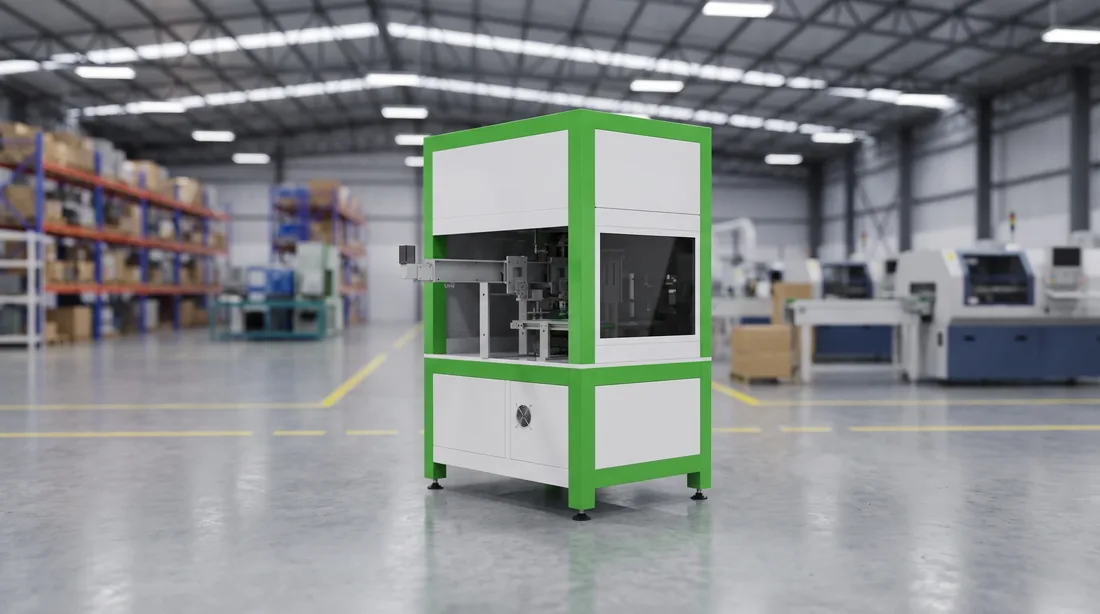
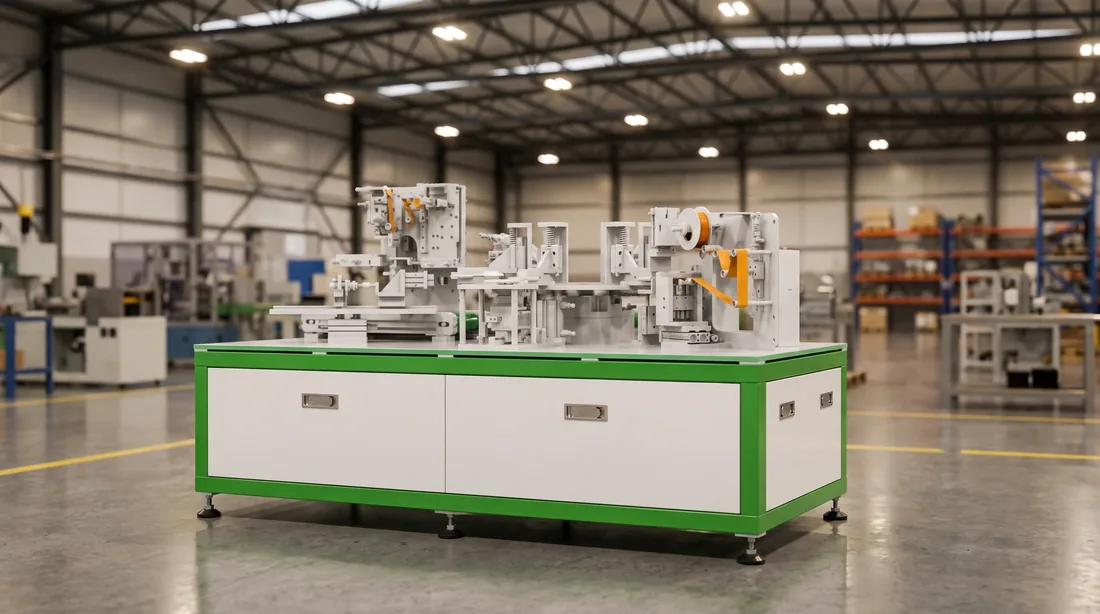
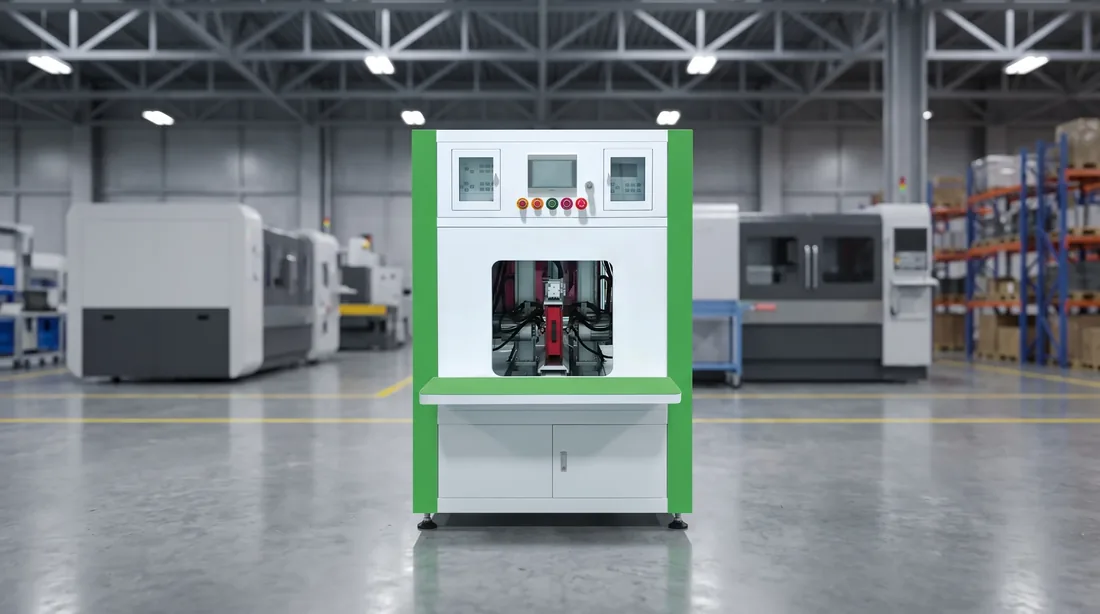
Three drawings decide the tooling, and each one decides a different set of stations
Send them once, before the line is cut, and the tooling question stops being a conversation about goodwill.
Your enclosure drawing
Your liquid-cooling plate drawing
Your module drawing
What a missing drawing costs
What to ask any supplier
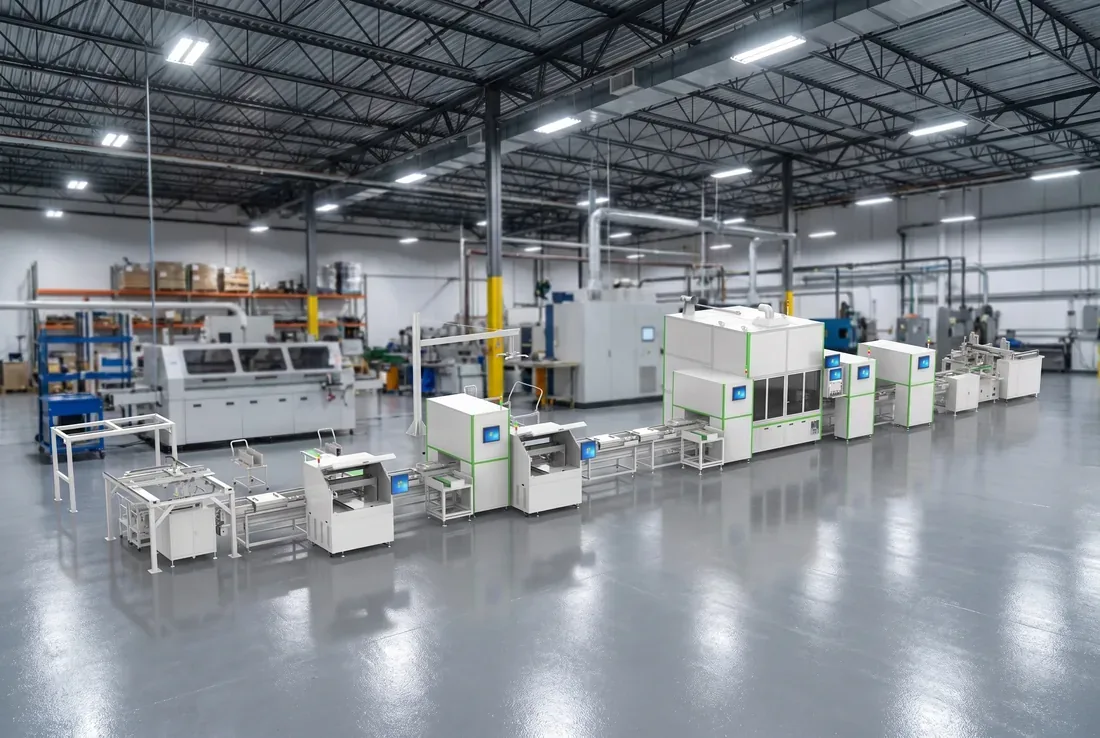
Fourteen stations are hand-work. The conveyor is what makes hand-work repeatable.
MANUAL says who does the work. It does not say the part arrives wherever it happens to land.
- Step 01
Arrive
The module reaches the station on its carrier, paced by the line rather than by the operator. - Step 02
Stop
A stop holds the carrier at the station instead of letting it drift past. - Step 03
Lift and locate
A lift raises the module and seats it against the fixture, so position is set by tooling. - Step 04
Release
The carrier is released when the station is clear, and the next one comes forward.
What that takes away from the operator
What it means for takt
Why the line is panelled on both sides
Carrier load, conveying speed and the stop-and-lift positioning modules themselves are stated once, on the conveyor system page.
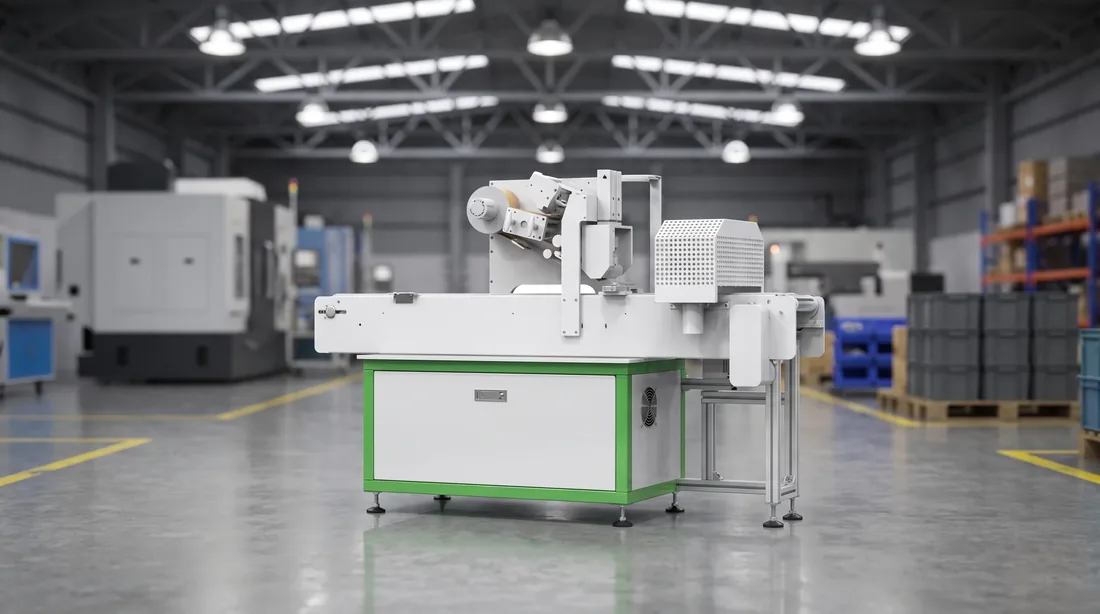
What the pack segment actually costs you in people
Twelve to fourteen is the number that belongs in your TCO model, and it is the one most quotations leave out.
BLP-P8S and BLP-P15
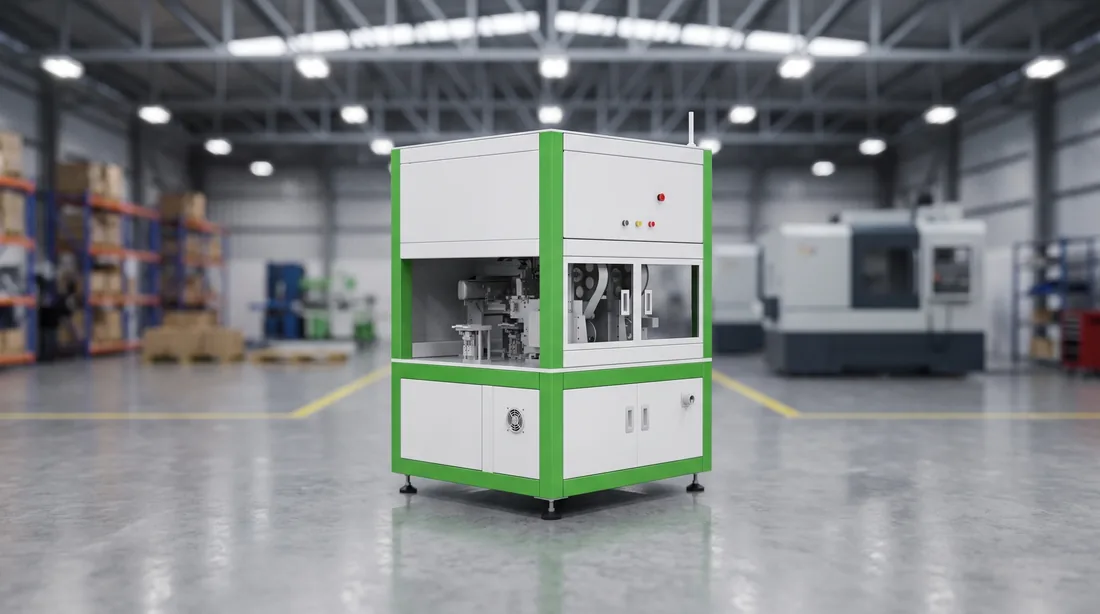
It is a hand-built segment with one machine in it, and it is cheaper to staff it on purpose than to discover it at commissioning. A brochure that calls this segment automated is not describing the line you would be buying.
Send three things, get a layout back
Cell spec, target PPM and bay dimensions with clear height. That is enough to come back with a layout and a station list.
Reply within 24 hours / Everything else we need is listed on the contact page
You can sign this line off one station at a time
What is written above is what goes into the acceptance document — the same fifteen rows, the same levels.
Every station carries its level
≥99% goes in the document
Tooling is checkable on a drawing
The sequence is published too
Where the pack segment sits in the rest of the line
Each of these is stated once, on its own page, with its own figures.
- Cell handling
- Module segment
- Pack segment — you are here
- Offload
Name the position you think is your bottleneck
A segment retrofit is a complete enquiry on its own, quoted the same way a whole line is.
If one of the fifteen is already the constraint