Equipment / nine machines, three segments
Battery Manufacturing Equipment, Chosen by the
Problem It Solves
Nine machines covering cell handling, module assembly and pack assembly — everything from the moment cells are inside your gate. Cell production upstream of that is a different plant with different equipment.
Nine machines — two in cell handling, six in the module segment, two in the pack segment, one counted twice.
Where the nine sit
- Cell handling — two machines
- Module segment — six machines
- Pack segment — two machines
You are holding three quotations, and all three are lists of model numbers
Which is a problem, because a model number does not tell you what the machine is there to prevent.
The list is the wrong unit
Every list looks complete
You end up comparing the wrong things
The decision you are actually making
The rest of this page is the same nine machines you will see on any list, written the other way round: the problem first, the machine second. Parameters are deliberately absent — each one is published on the page that owns that station, where it can be compared against something.
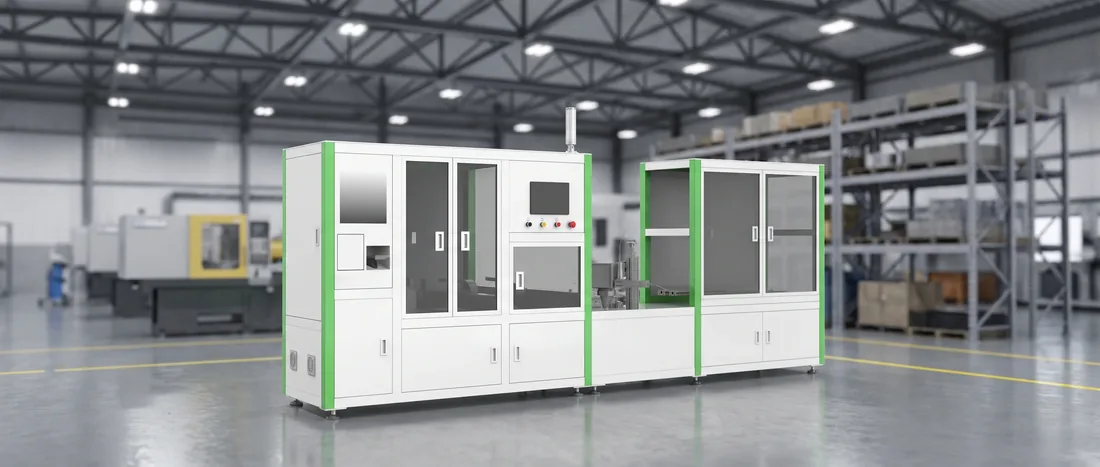
Four things a list of model numbers cannot tell you
Each one is priced into the project whether or not it appears on the quotation.
Interfaces
Takt as a line figure
Tooling
Which positions are machines at all
Station by station
None of the four is hidden deliberately. They are simply not what a machine quotation is shaped to carry. They surface in the second week of ramp-up, which is the most expensive place to discover any of them.
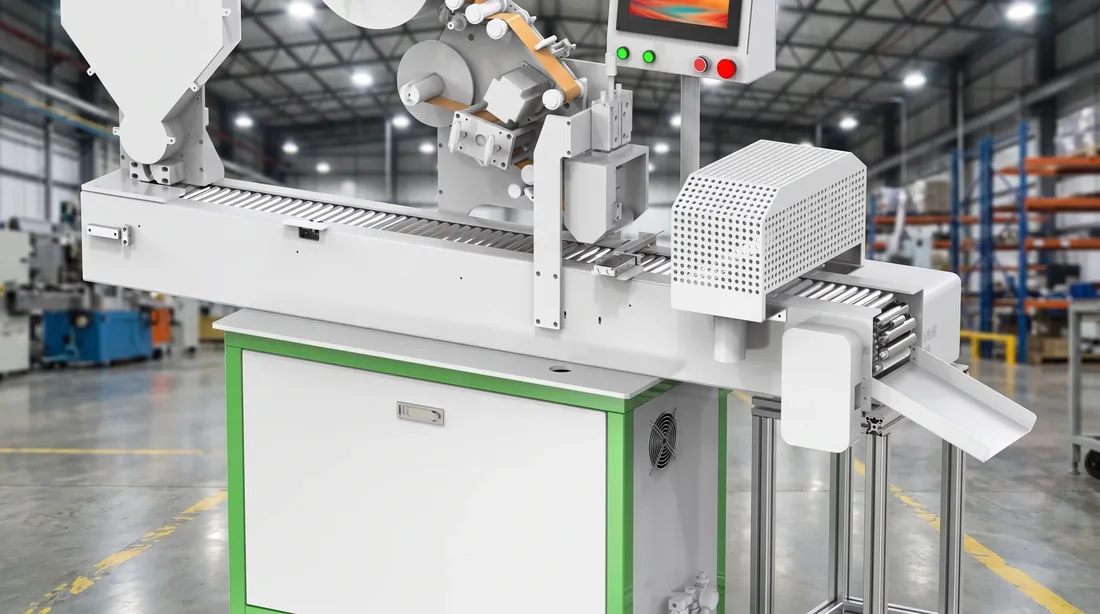
Every machine on the list can be the right machine, and the line still not run. What a list cannot quote is the space between two machines.
Nine machines
Eight gaps
The gaps are not numbered
What you are building decides which line you are buying
Three scenarios cover almost everything that reaches us. The station sequence barely changes between them; the tooling and the envelope do.
Commercial & industrial and grid-scale ESS packs
Line takt
What carries it
EV modules or packs
Line takt
What carries it
Cylindrical and consumer packs
Line takt
What carries it
Annual output per tier — and footprint, installed power and headcount — are on the tier-selection page. BLP-P8 output is published when the line is engineered, not estimated to fill a cell.
The sequence is the constant
The envelope is the variable
One supplier across both segments
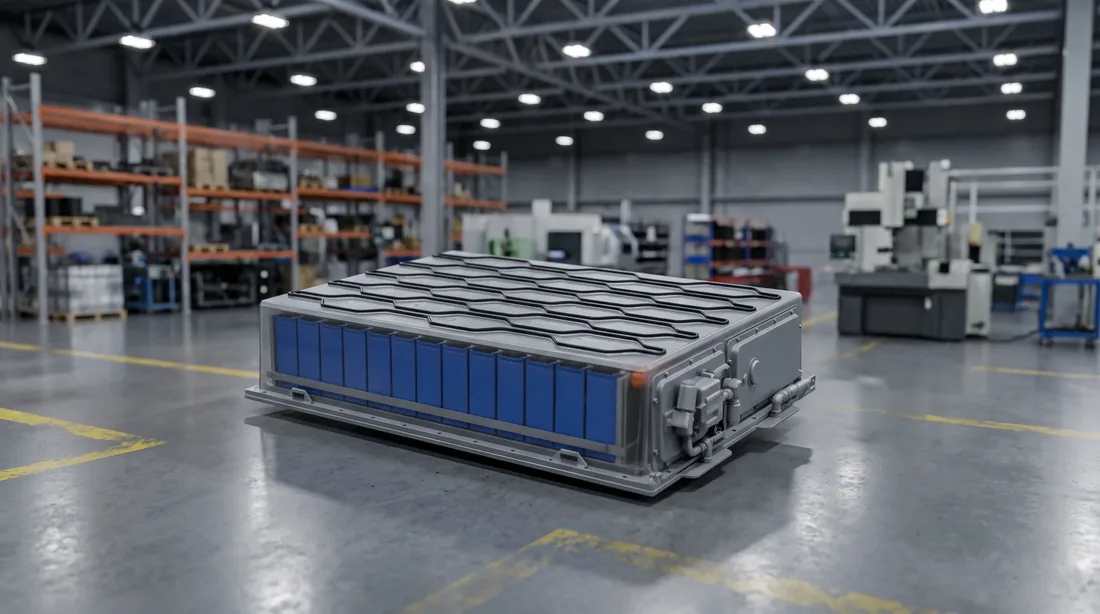
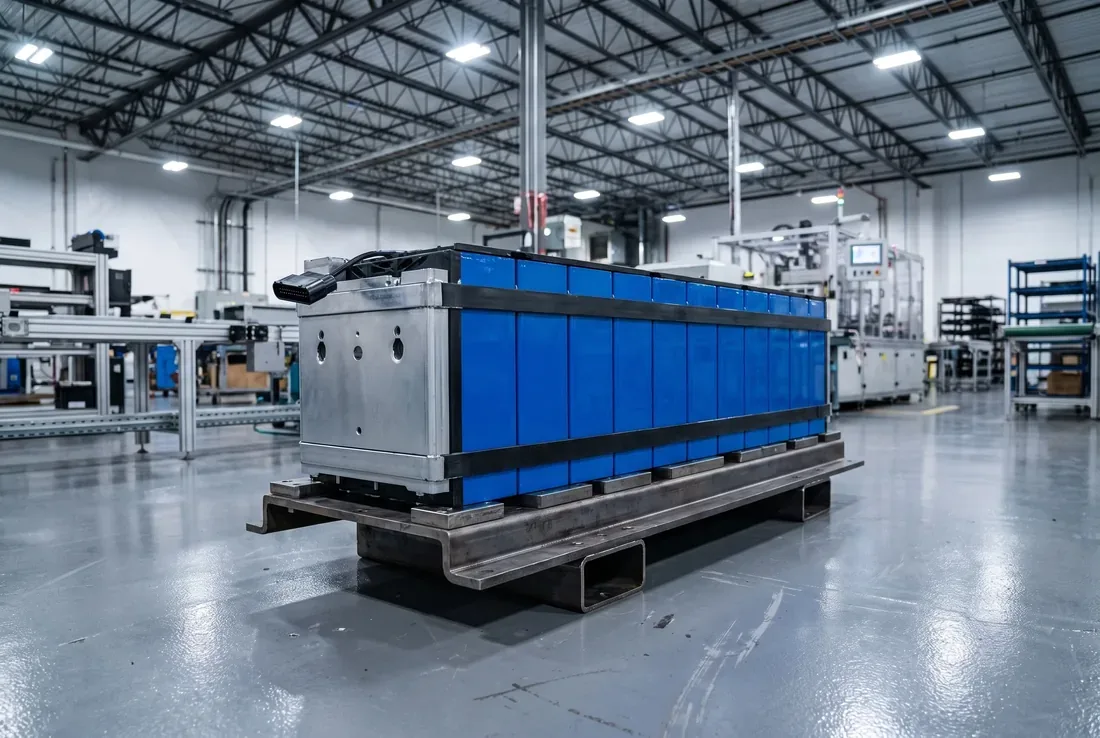
Nine machines, and the problem each one is there to prevent
Parameters are not on this page. Each machine's figures are published on the page that owns that station, where they can be compared against something.
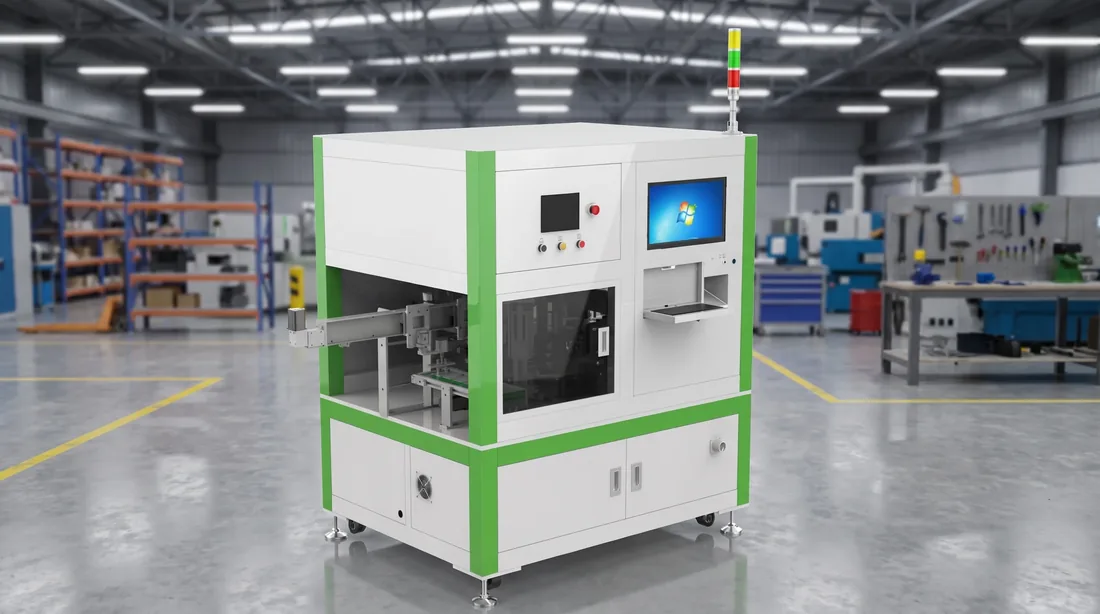
BLP-UL — Cell unloading and feeding
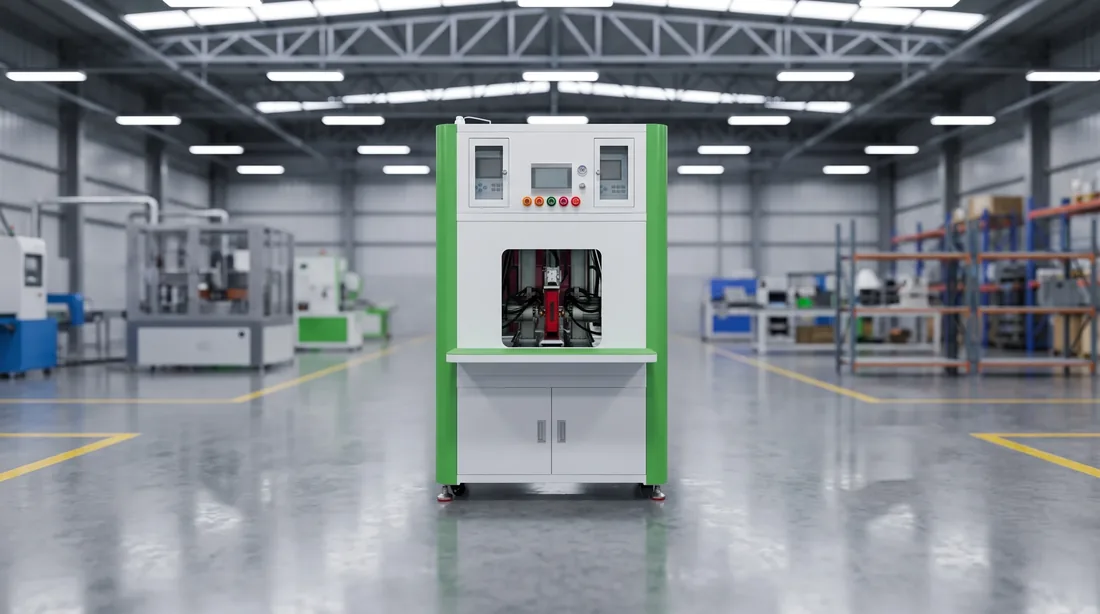
BLP-CS — Cell scanning, testing and sorting
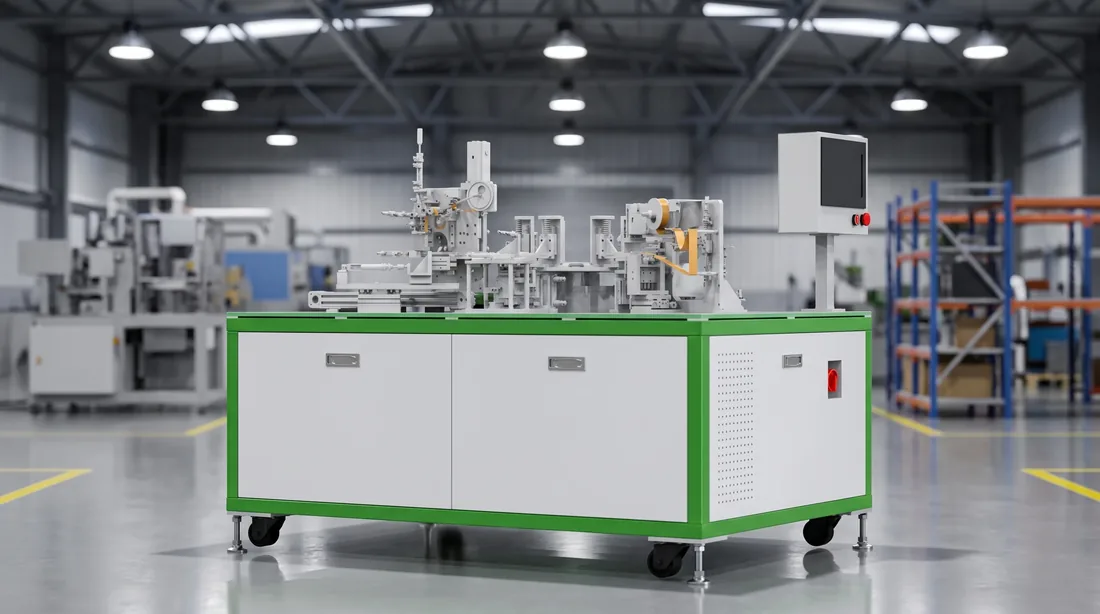
BLP-SP — Module stacking and pressing
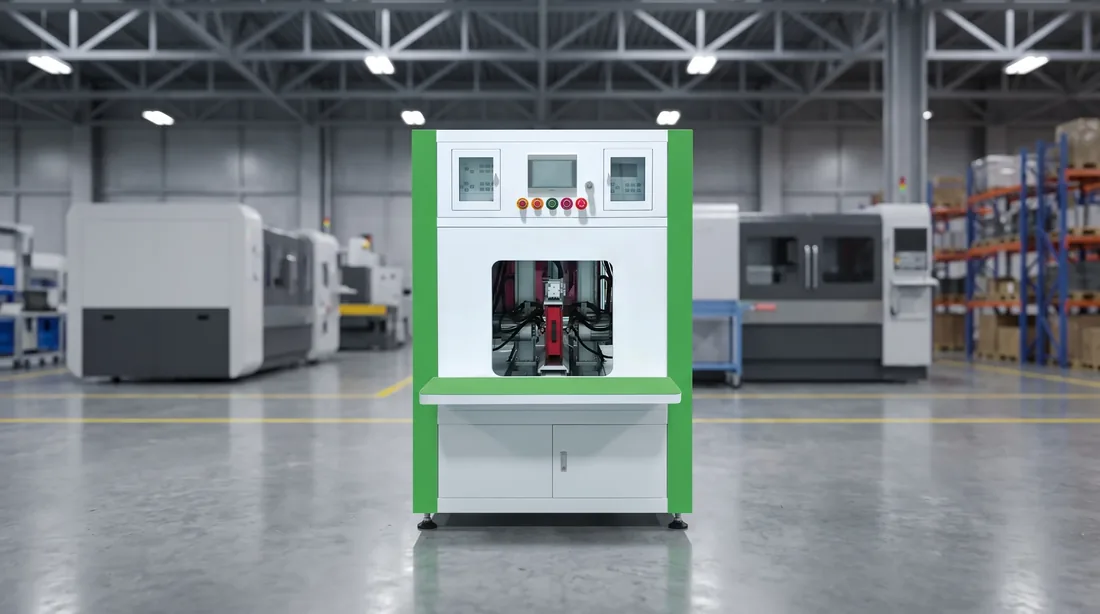
BLP-AD — Terminal addressing and polarity check
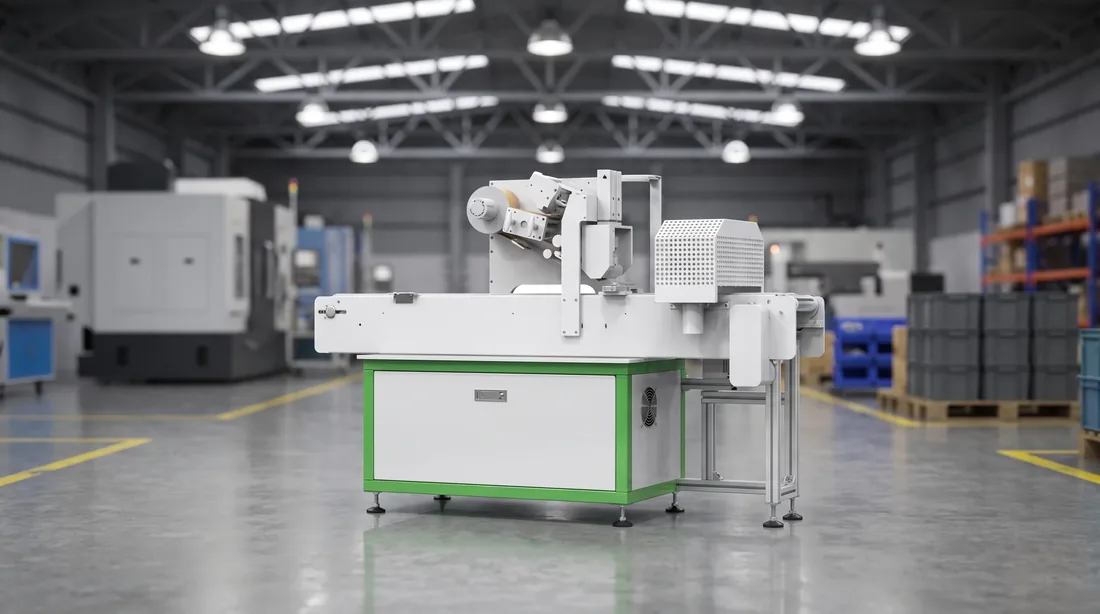
BLP-W6 — In-line busbar laser welding
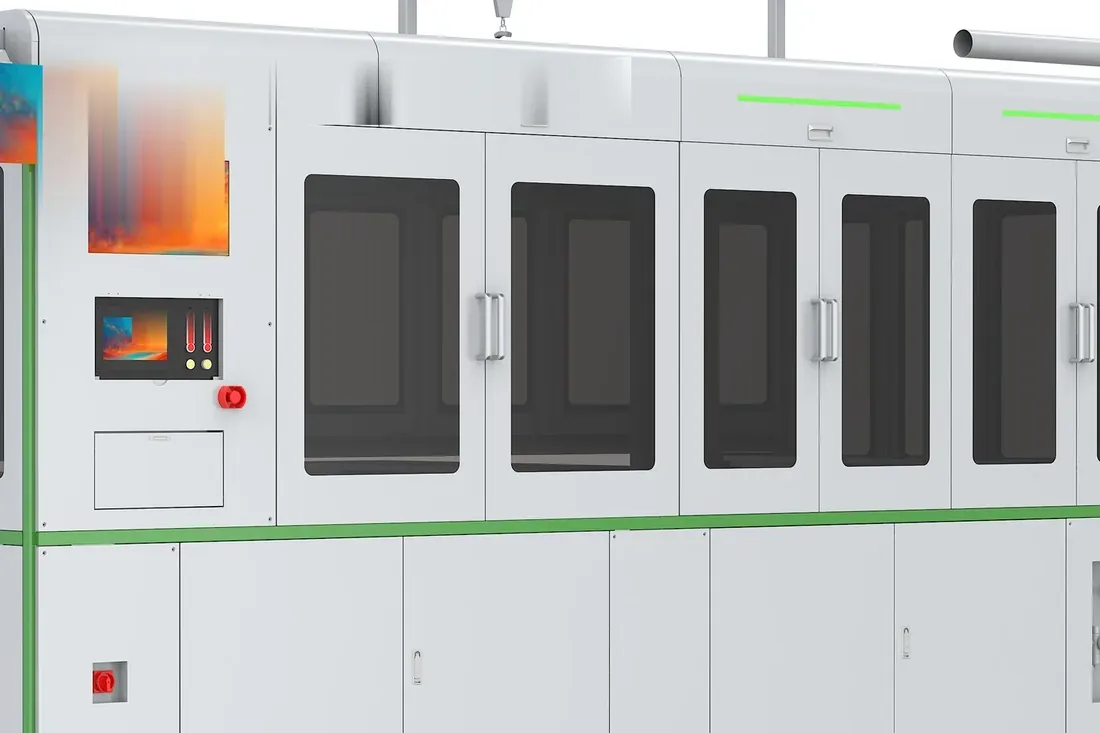
BLP-WG — Off-line gantry laser welding
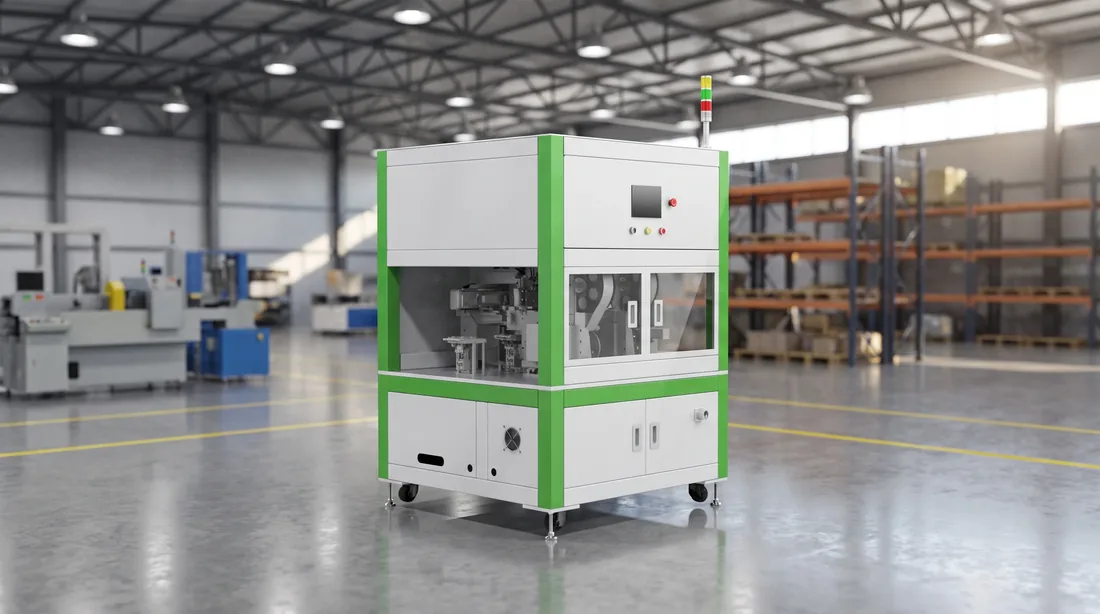
BLP-EOL — Module end-of-line testing
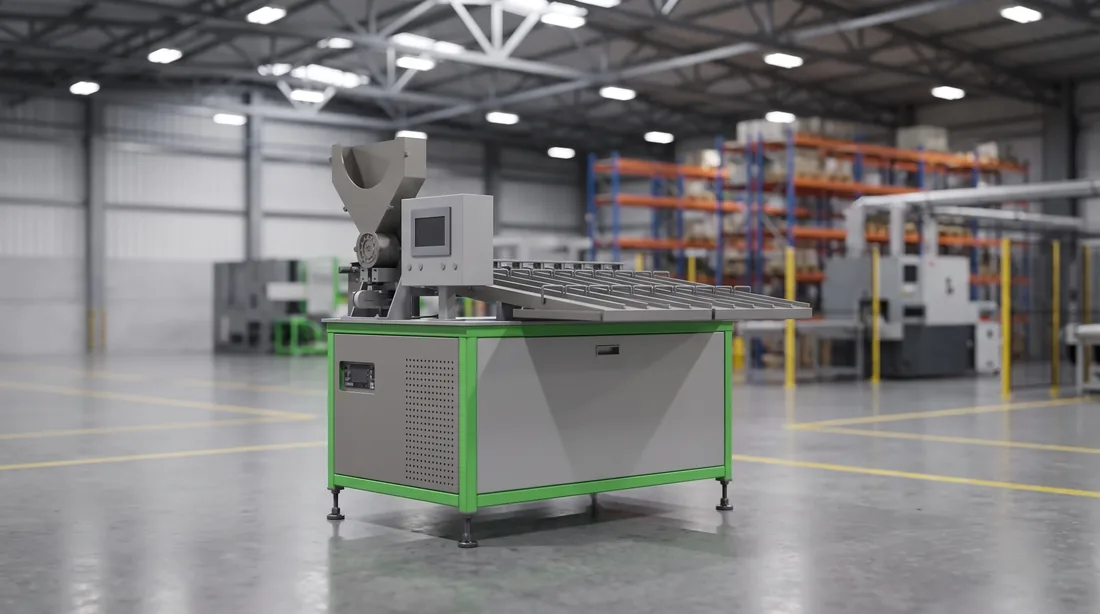
BLP-GL — Cooling-plate and enclosure gluing
Where its figures live
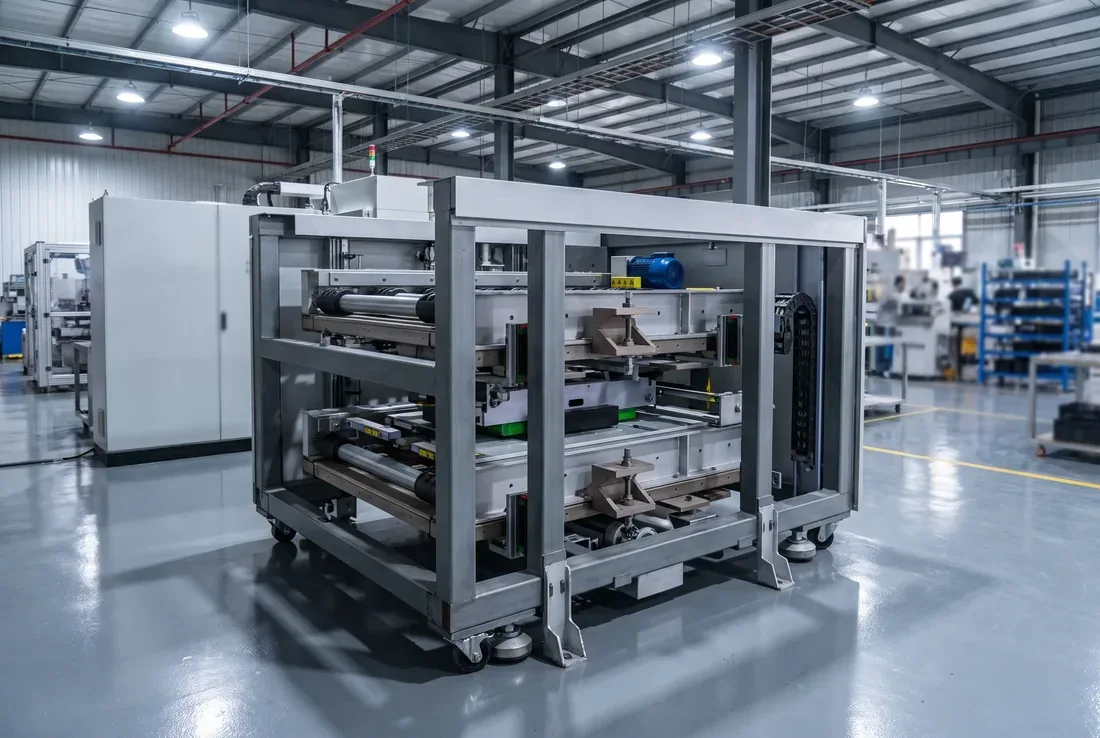
BLP-CV — Module conveying and positioning
Where its figures live
Alongside the nine there is a set of supporting machines for cylindrical and consumer work — 18650 sorting, taping, plastic wrapping, sealing, dispensing, backing-tape application, and nickel-strip welding and bending. They are quoted per project rather than as part of the module-and-pack line.
Sorting decides what the rest of the line is allowed to build
It is the first machine on the line that makes a decision instead of a movement — and the only one whose mistakes travel forward invisibly.
- Why this one
Every other machine in cell handling moves a part. This one judges one.
Everything else in the segment moves a part, holds a part or joins a part. This machine decides. A cell that passes here is a cell the line will spend the next dozen operations building into something, and nothing downstream re-opens that judgement. - Without it
A cell that differs is not a defect the line can see.
It scans. It fits the fixture. It welds. It tests. The difference only becomes visible once cells are working together inside a pack — which is somewhere else entirely, and by then usually somebody else's problem. - What it costs
By the time it matters, it is inside a welded module.
Getting it out is not a rework operation, it is a demolition operation, and the parts around it are not all parts you put back. Meanwhile the line has kept building modules from the same tray. - What we do
Judge on the way in, and refill the gap.
Every cell is scanned and measured as it enters, sorted against your grouping rule, and the ones outside it are removed automatically. The gap that leaves is refilled from the same stream, so the module segment never sees an incomplete set and never waits for one. - What proves it
One page, with the acceptance method next to the figures.
The scan and measurement figures this station is judged on are published on the cell sorting station page, together with how a group is defined — where they can be checked against the quotation on your desk.
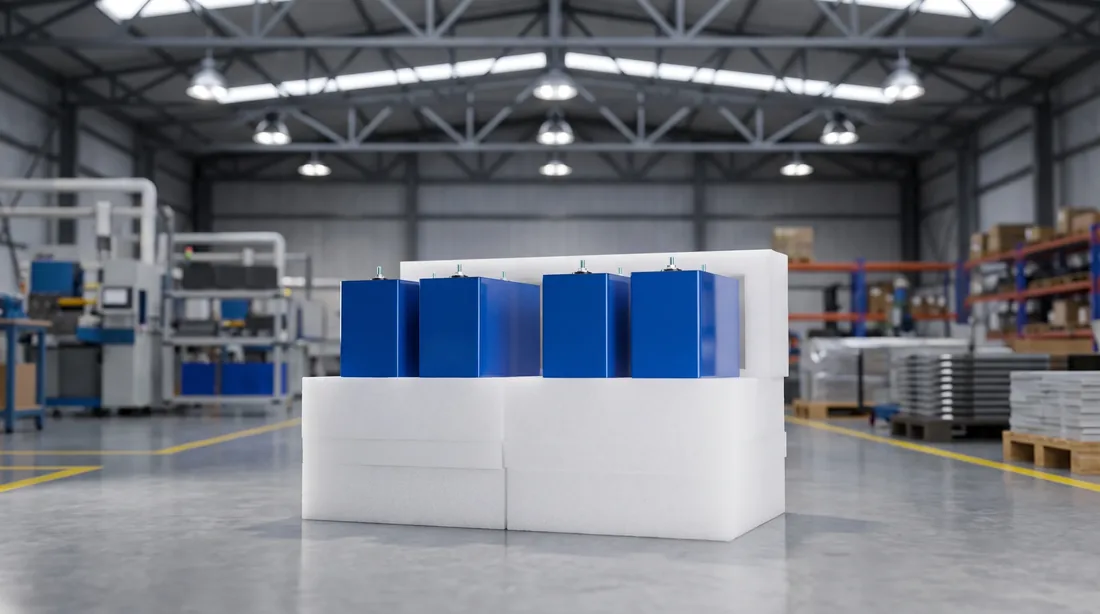
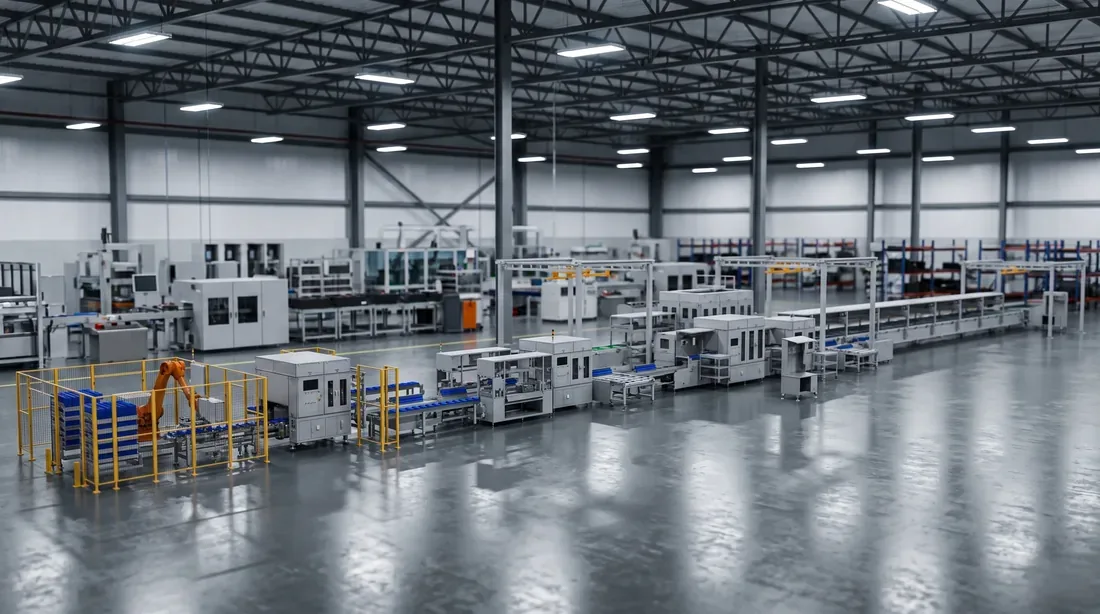
The busbar weld is the one joint you cannot take back
Everything before it can be re-done. This is where a module stops being reversible.
- Why this one
Up to here, a module can be taken apart.
Cells can be re-sorted, a stack can be re-pressed, an insulator can be replaced. The busbar weld ends that. From the next station onward, correcting anything underneath it means cutting. - Without it being right
A weld short of the joint still carries current.
It works on the test bench, it works through commissioning, and it degrades where nobody is looking — at the one position in the module that was never designed to behave like a fuse. - What it costs
It does not scrap a busbar. It scraps the module.
By the time a module reaches this station it is the most expensive thing on the line: sorted cells, a pressed stack, insulation, addressing. All of that is what a bad weld writes off. - What we do
The machine is told where the joint is, not asked to find it.
The weld runs in-line rather than as a separate operation, on a part that arrived located rather than placed by hand, after the addressing station has confirmed where each terminal actually is. - What proves it
Geometry and strength criteria, with the acceptance method beside them.
Weld geometry and joint-strength criteria are published on the busbar welding station page, with the method used to accept them written next to the figures rather than implied.
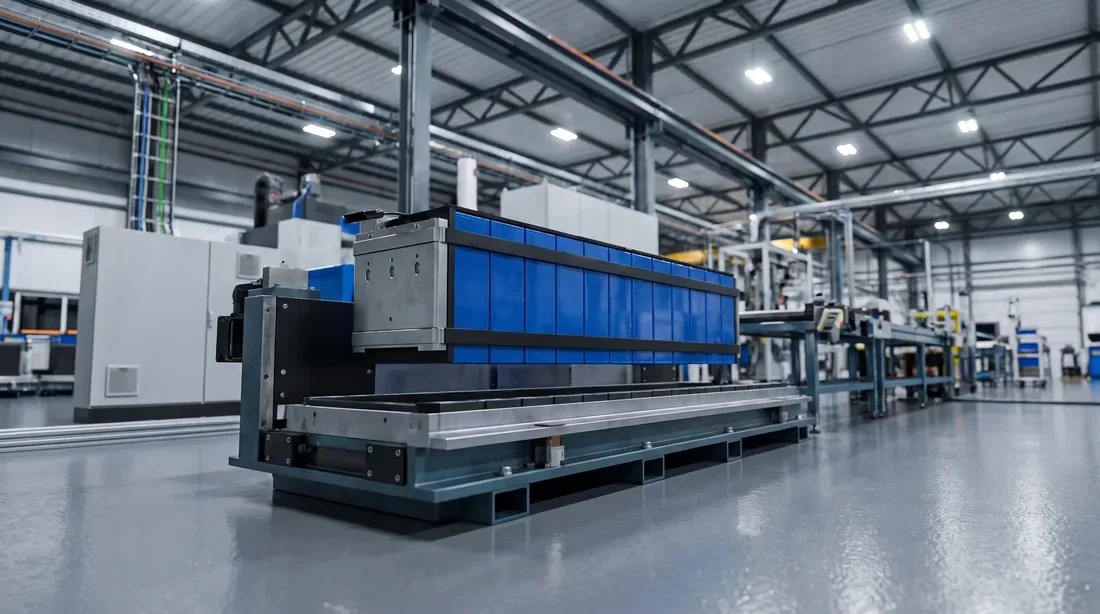
Which segment each machine belongs to — and the one that belongs to two
Three rows, nine ticks. The pattern is the argument; there is nothing to read underneath it.
Cell handling · module segment · pack segment — and machine 09 lit in two rows.
One machine is lit twice
That handover is a whole-line question
The seam
Six of nine sit in the module segment
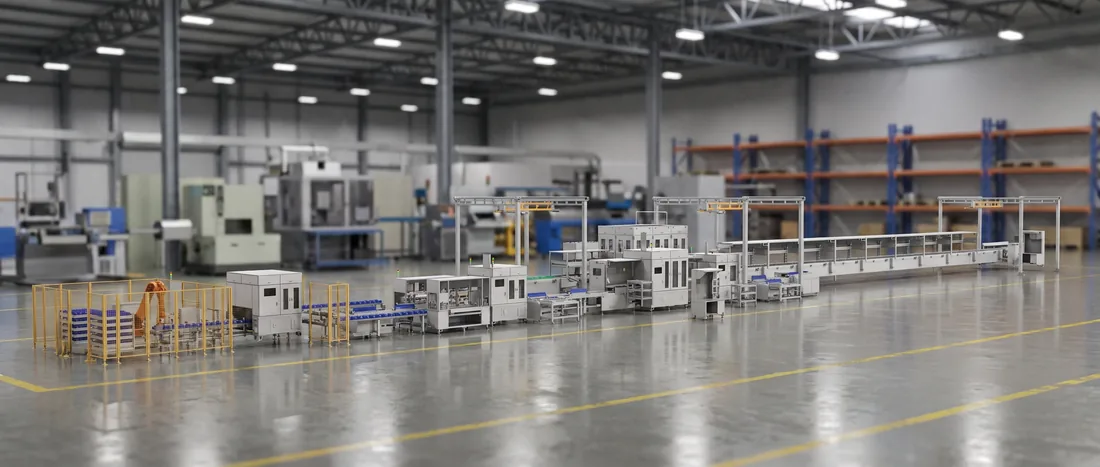
Every figure has one page, and this is not it
A parameter repeated on four pages is a parameter that will disagree with itself on one of them.
Why they are not here
What that gives you
What to do with it
- 01Cell unloading and feeding
- 02Cell scanning, testing and sorting
- 03Module stacking and pressing
- 04Terminal addressing and polarity check
- 05In-line busbar laser welding
- 06Off-line gantry laser welding
- 07Module end-of-line testing
- 08Cooling-plate and enclosure gluing
- 09Module conveying and positioning
Tell us the part, not the model number
Cell format, what you are building, and the building it has to fit in. That is enough to come back with a machine list that has reasons attached to it.
Reply within 24 hours / If it is cell production you need, we say so in the first reply
Single machines start at one unit. Lines are quoted per project.
Both are normal, and which one you need is usually decided by what already runs on your floor.
One machine
A segment
The whole line
Whichever of the three it is, the layout is drawn to the building you already have rather than the other way round, and a change of cell or module format inside the compatibility envelope is a tooling change rather than a new line.
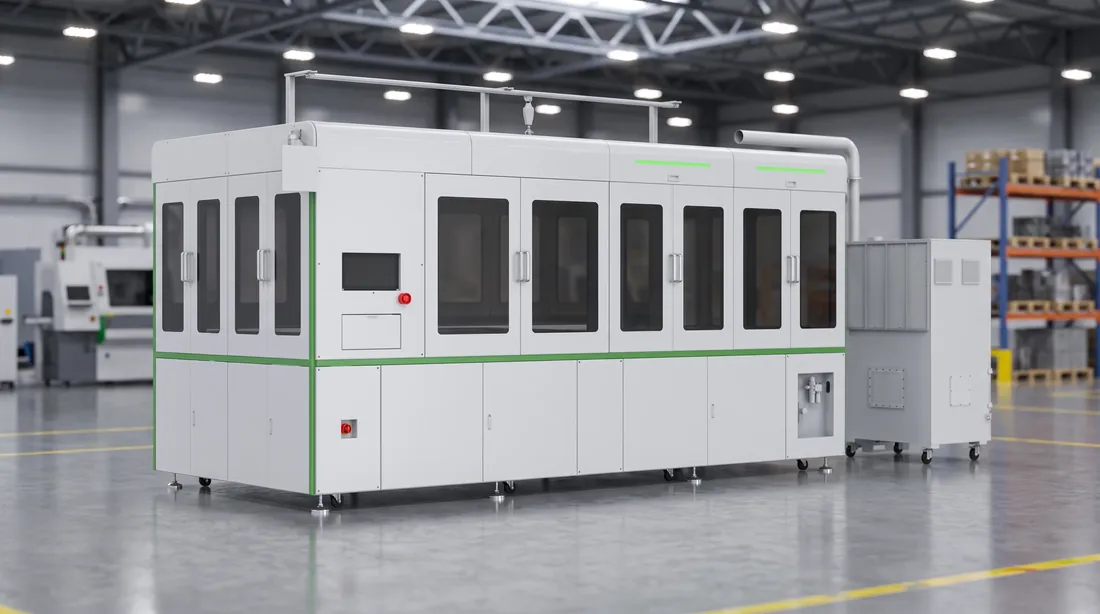
What a line order includes once the machines are unloaded
The equipment is the part you can photograph. These four are the part that decides whether it runs.
Layout design
Installation
Commissioning and acceptance
Operator and maintenance training
Certifications
Customisation is layout plus tooling
The acceptance figures are the contract
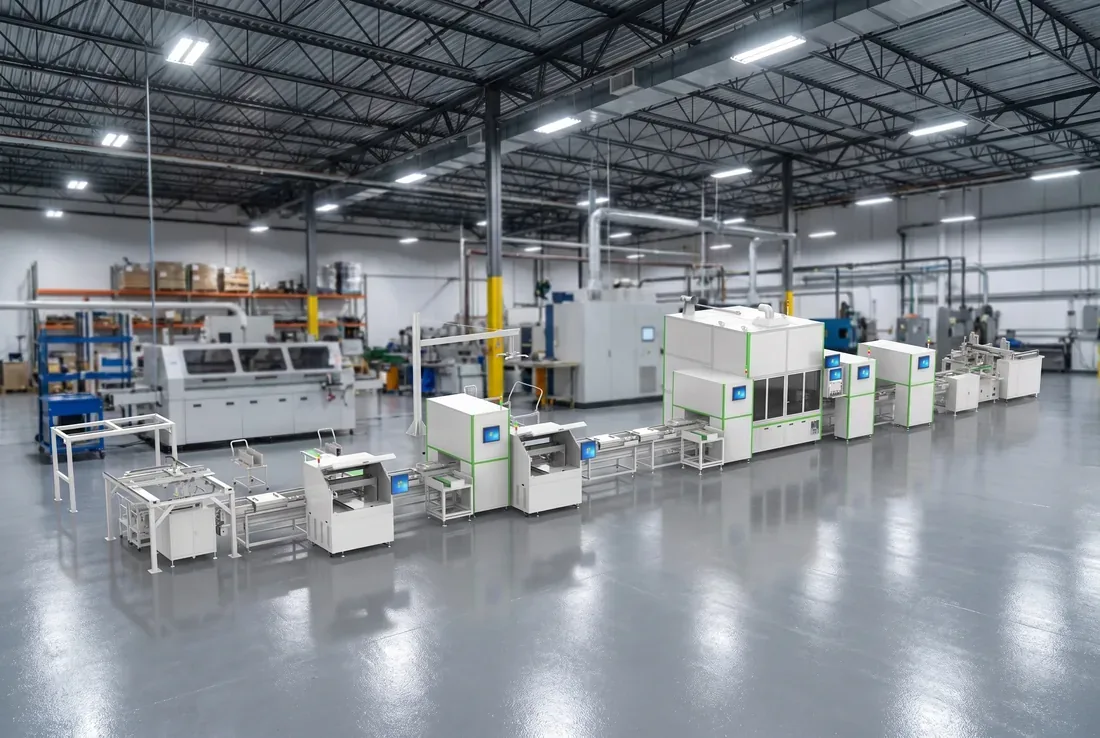
Seven questions that arrive with the first email
Answered here so the first call can be about your part rather than about our scope.
Do you supply coating, winding or formation equipment?
Can I buy one machine instead of a line?
Why are there no parameters on this page?
Will these machines take our cell format?
Do you handle installation and commissioning?
Can the line be built in stages?
Which certifications do you hold?
Where the pack line, the module line and the figures are written up
- Cell handling
- Module segment
- Pack segment
- Equipment — you are here
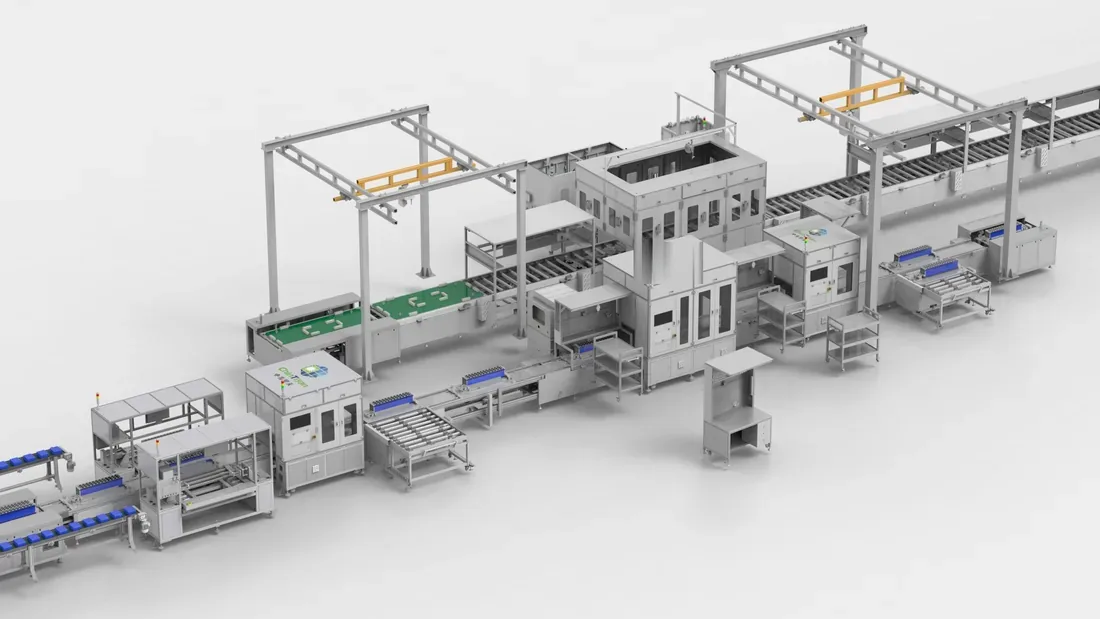
Ask about one machine, not only a whole line
Single units and segment retrofits are quoted the same way a line is.
If one station is the problem, that is a complete enquiry