Cells in at one end, tested packs off the other — one takt across both segments +86 15327155363 sales@batterylinepro.com

Cylindrical & consumer branch / Equipment, named — not specified

Nine Machines On This Branch. And Not One Published Figure Behind Them.

Everywhere else on this site we print numbers — takt, accuracy, travel, yield. On this branch we have equipment and renderings and no published figures, so this page prints the equipment and explains the blank.

⚠️ The second figure in the band below is not a typo and it is not modesty. It is the accurate count, and section 02 is what it is made of.

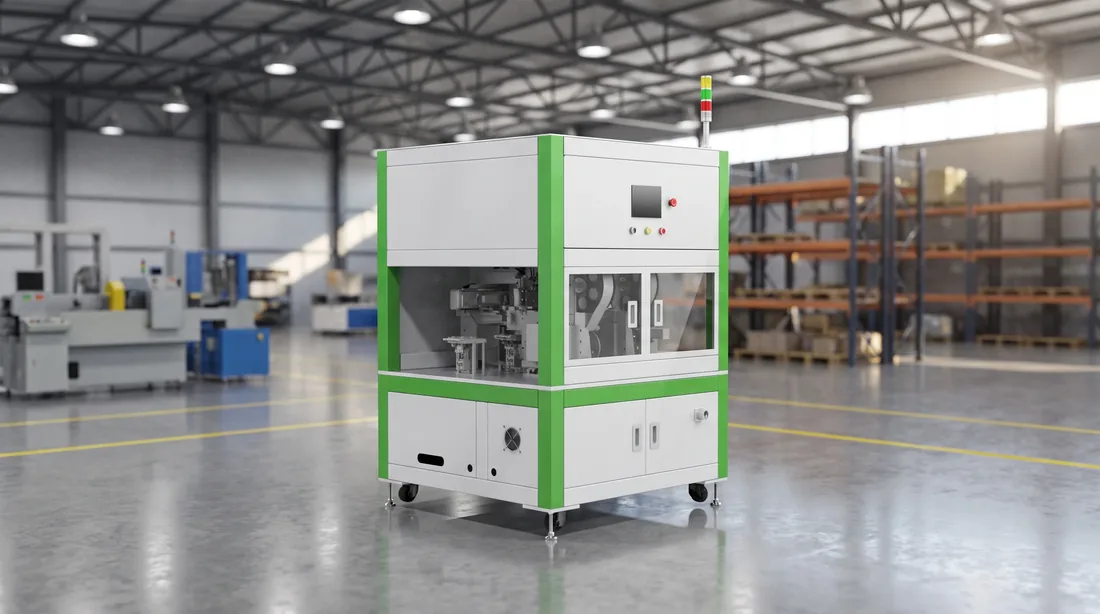
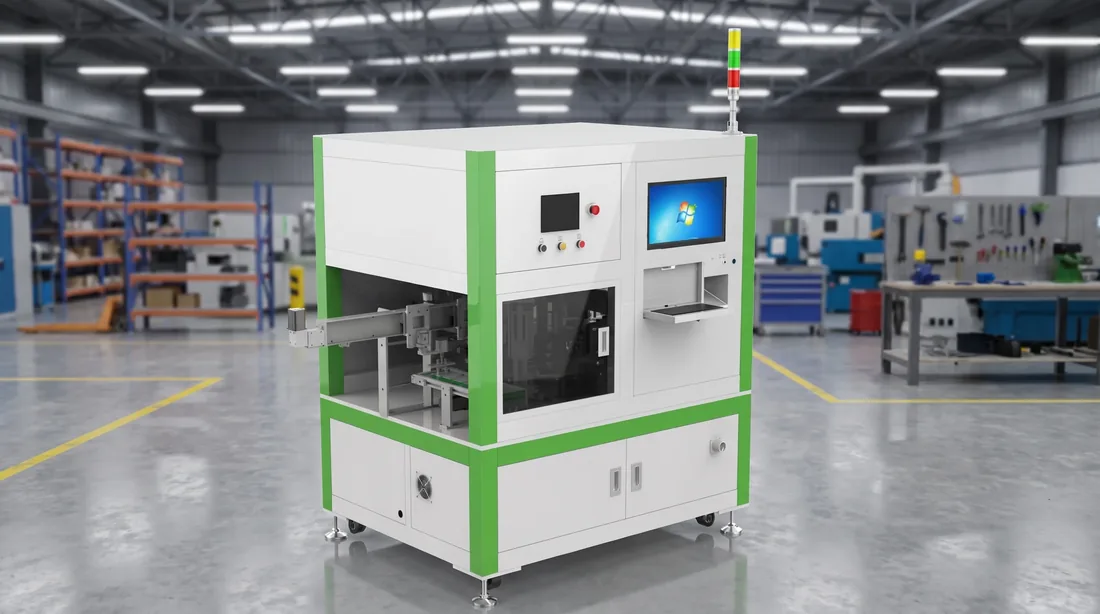
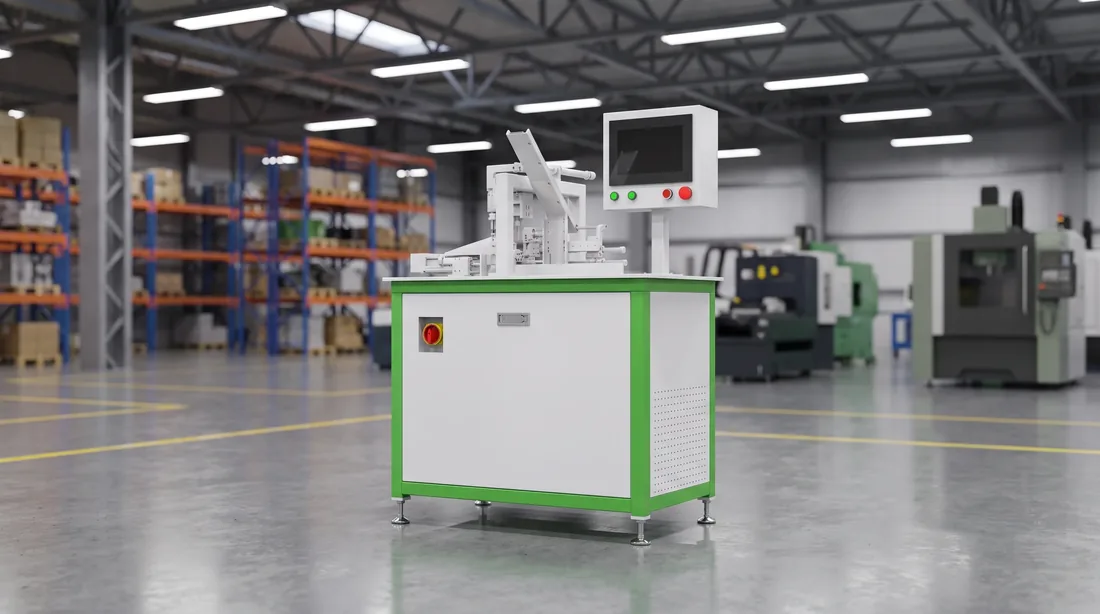
Three of the nine, named and nothing more
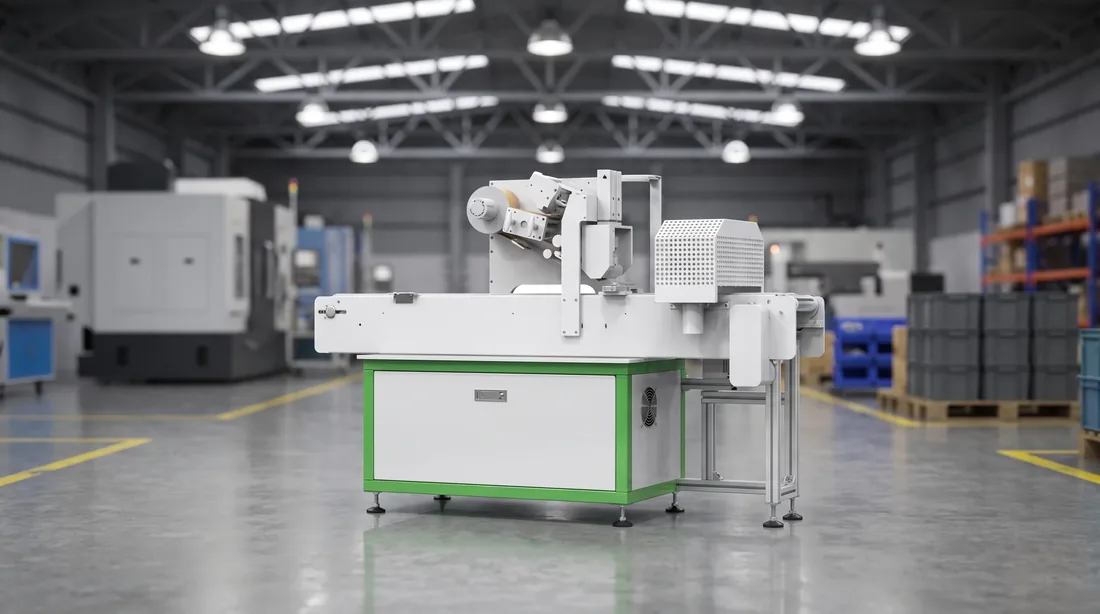
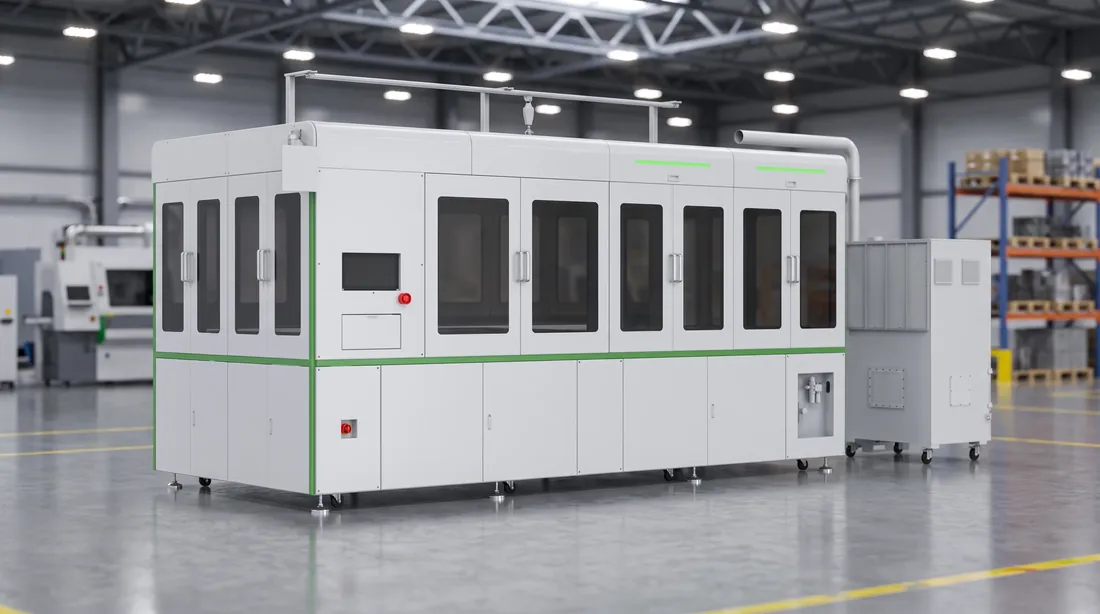
Fully automatic 18650 cylindrical cell sorting machine
18650 sorting
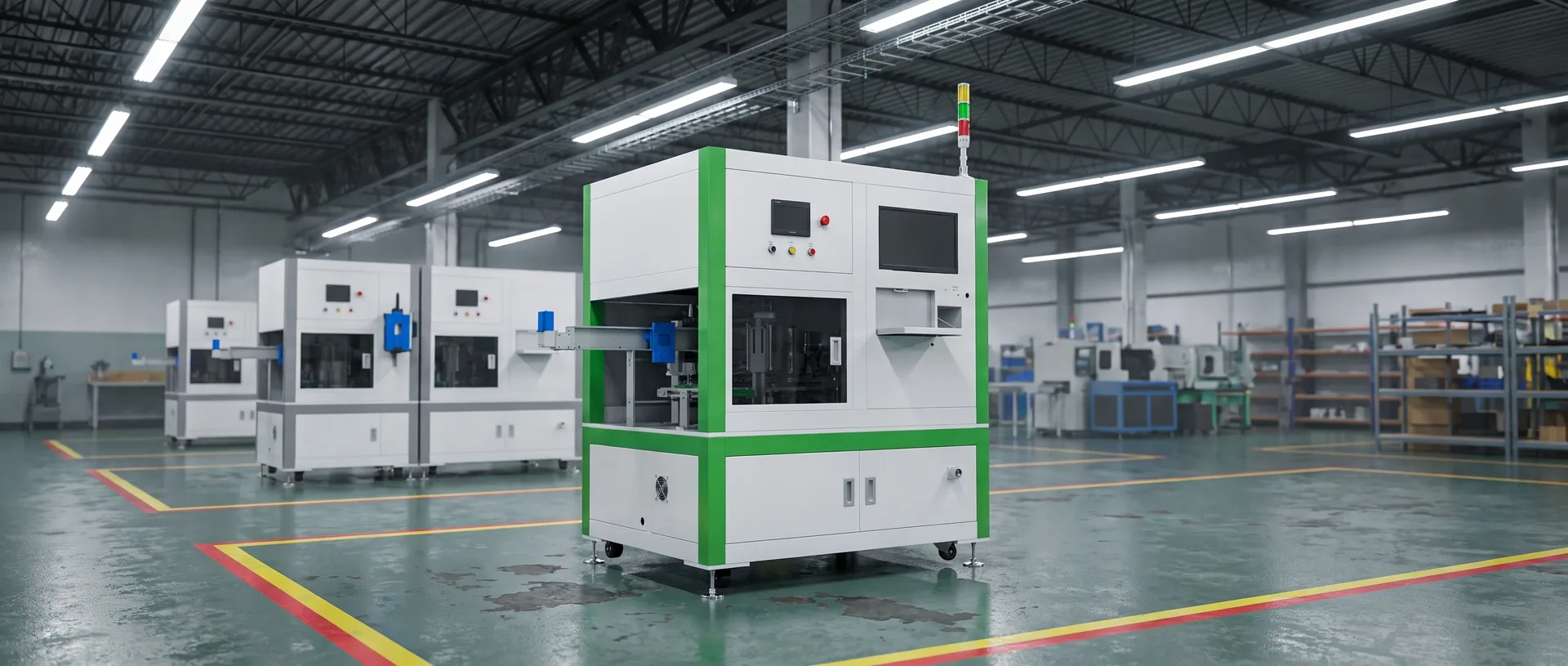
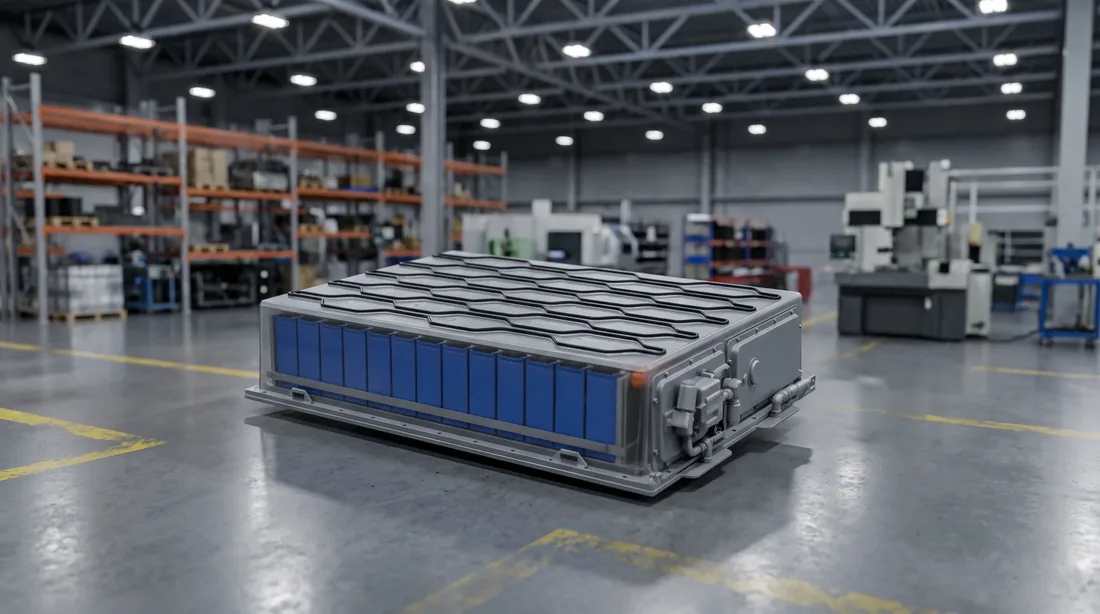
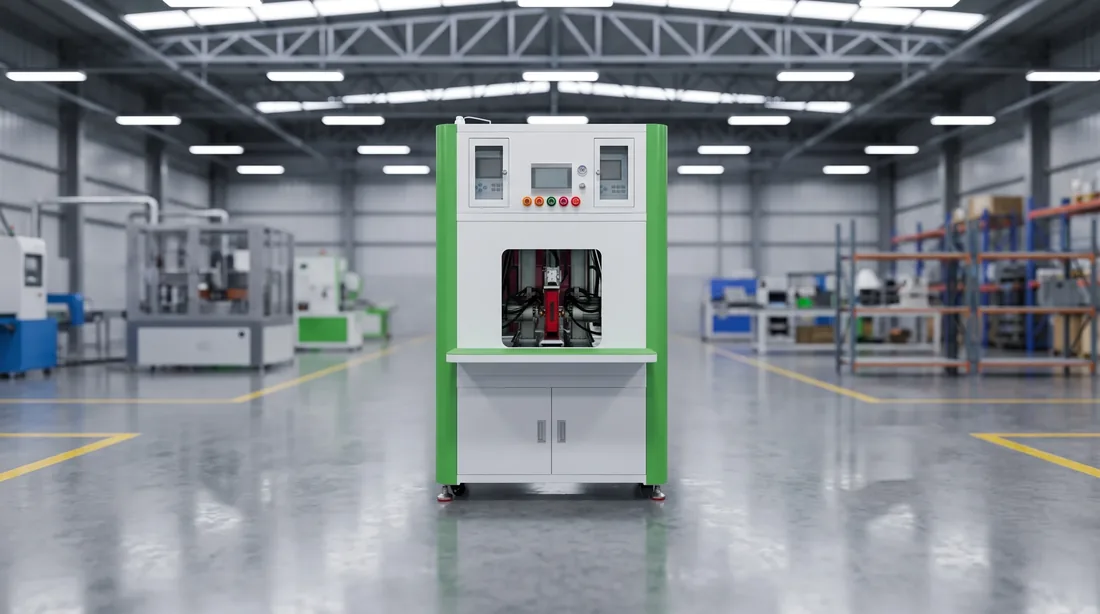
Nickel strip welding and bending machine
Nickel strip welding and bending
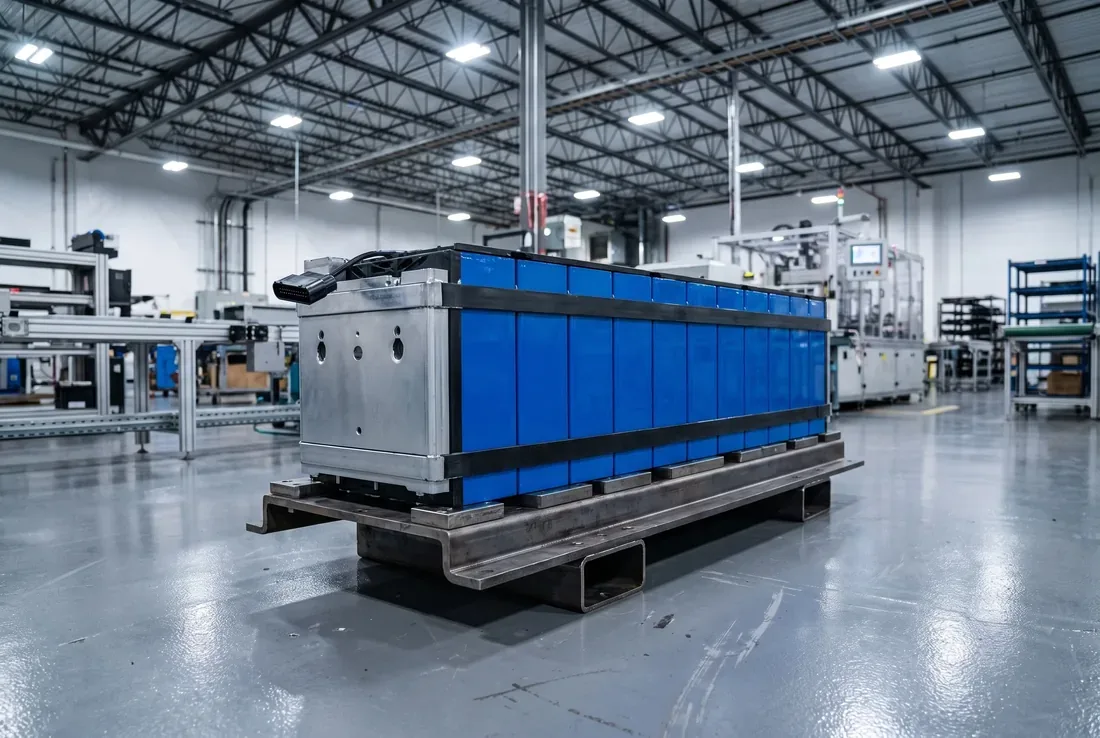
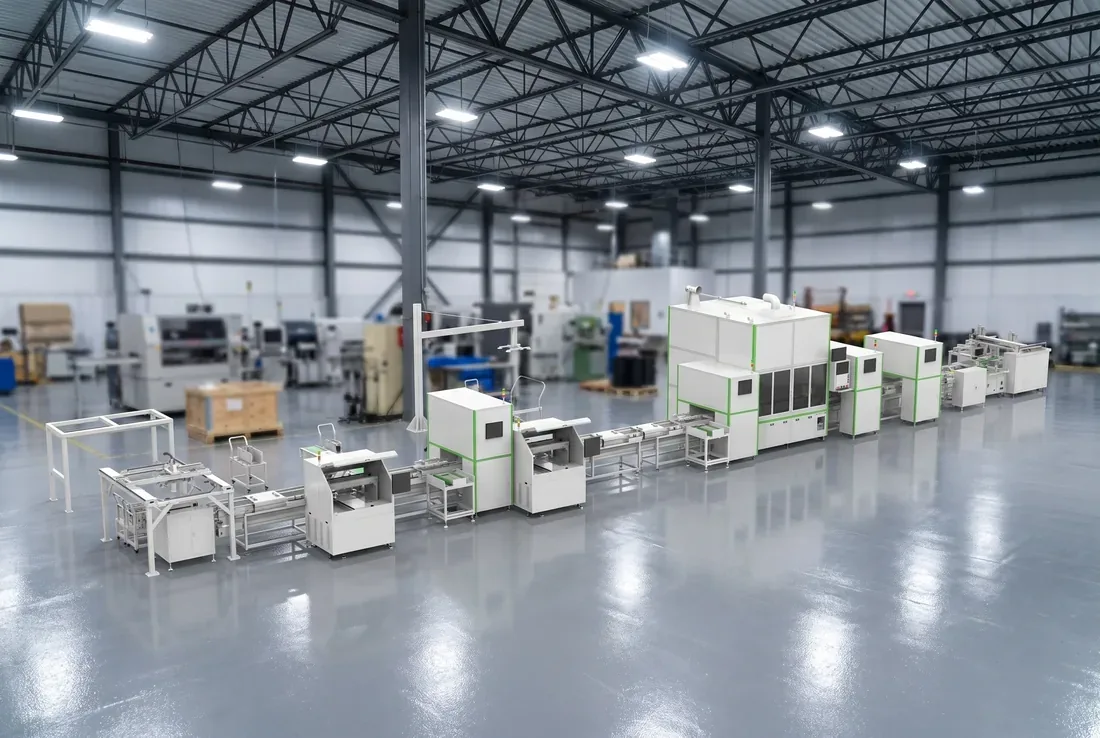
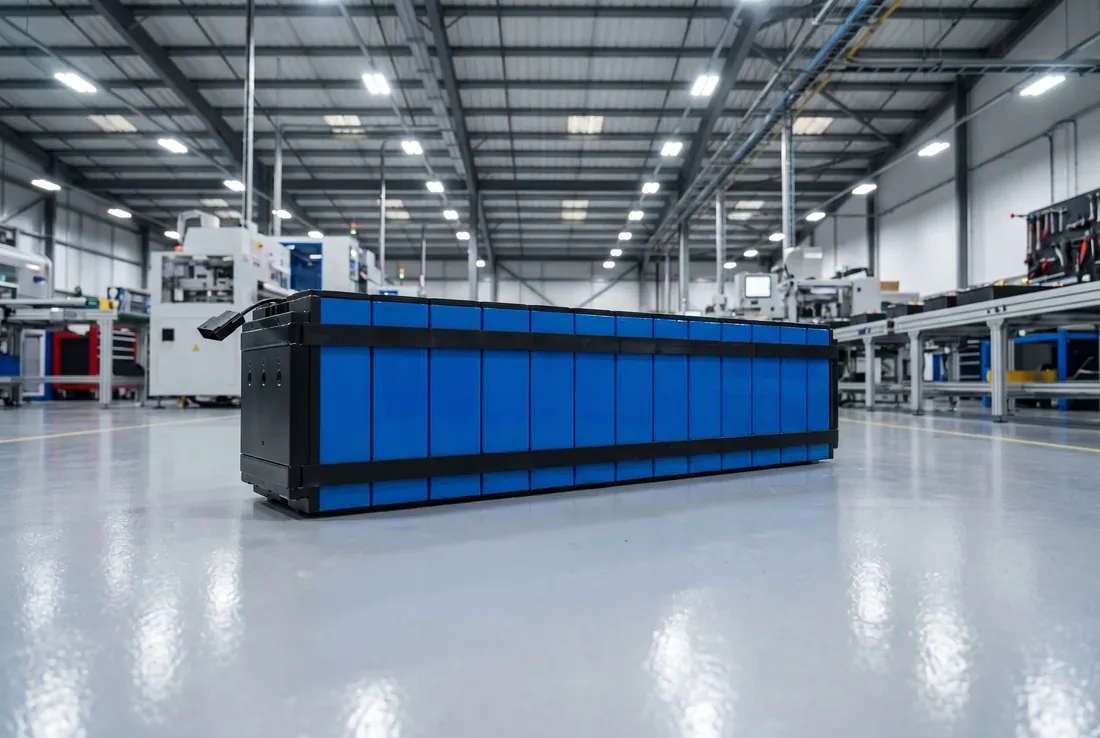
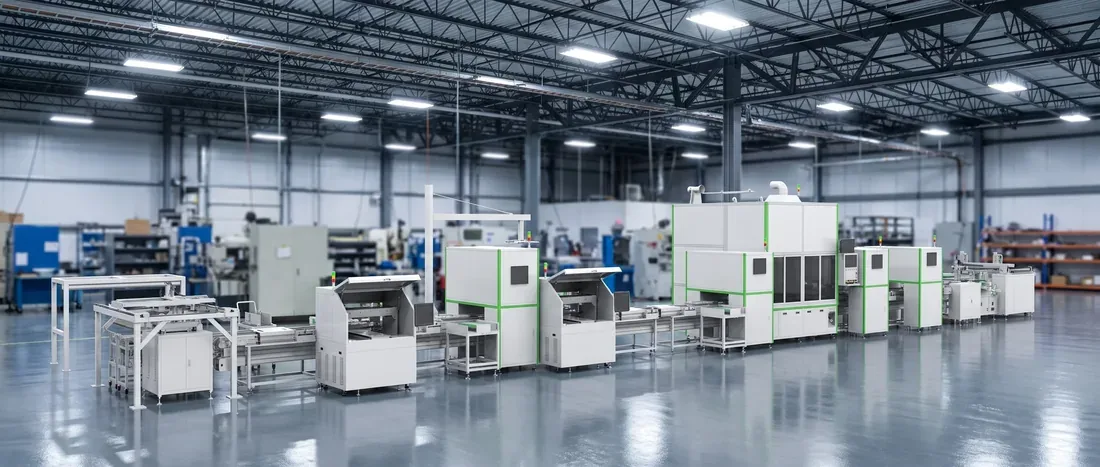
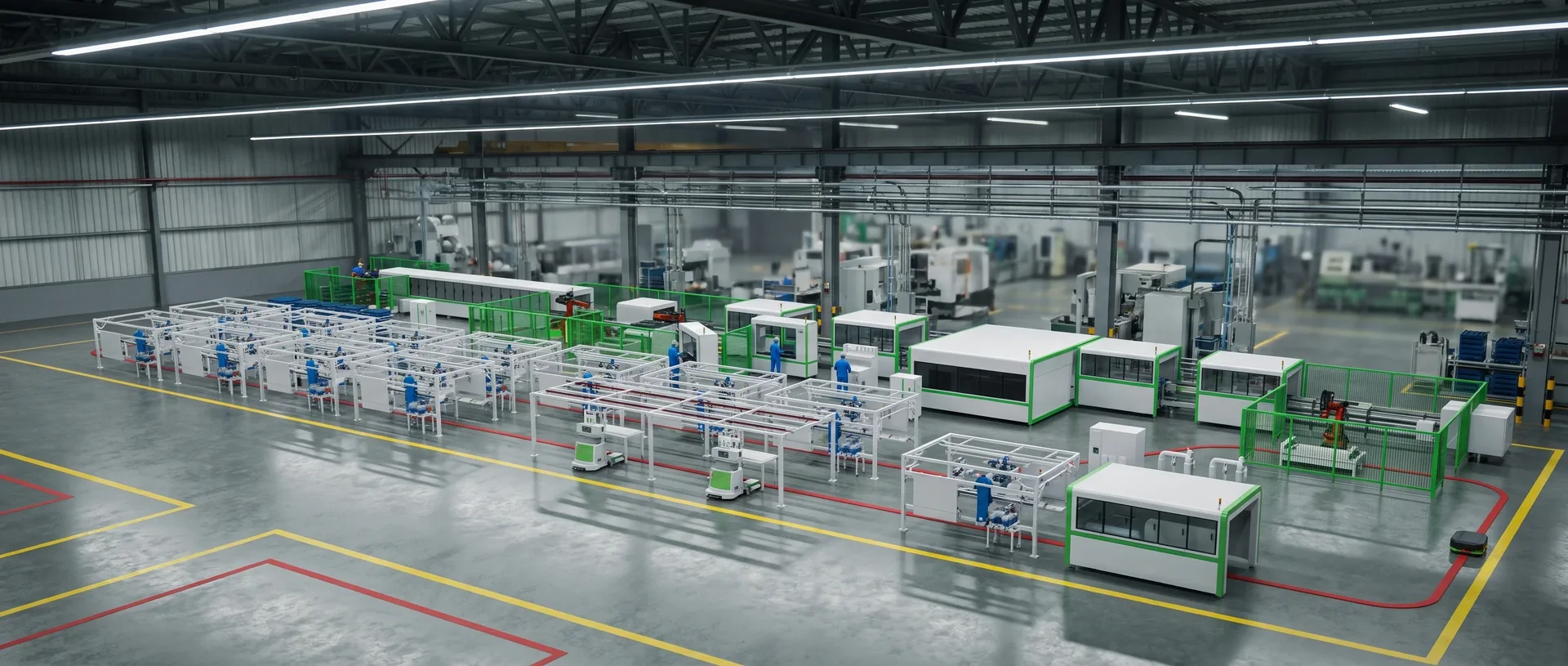
Cylindrical battery pack line arrangement
Cylindrical pack line
  • 9Machines on this branch
  • 0Published figures
  • 2Branch lines named
  • 1Question we ask first

A published figure is a promise tied to three things

This is normally the last paragraph on a page like this, in small type. It is second here, because it is the most useful thing we can tell you.

01 — A defined part

Every figure we publish elsewhere is measured against a specific part: a blueprint cell, a blueprint module, a blueprint pack. A figure without a part is not a measurement, it is a shape of words. On the prismatic branch that part is defined and published. On this branch it is your part, and we have not seen it.

02 — A set of tooling

A machine reaches a figure holding something, and what holds it was cut for one part. Until the part exists the tooling does not — and a figure quoted before the tooling was designed describes a different machine from the one you would receive.

03 — An acceptance criterion

A figure that is not written into an acceptance document is a sales number, not a specification. The whole point of publishing one is that somebody can hold you to it. → how acceptance is written

On the prismatic branch all three exist, which is why those pages carry dozens of figures and this one carries none. Printing a figure here would mean inventing one of the three — most likely the part, because it is the easiest to invent and the hardest for you to check. We would rather publish a zero and explain it.
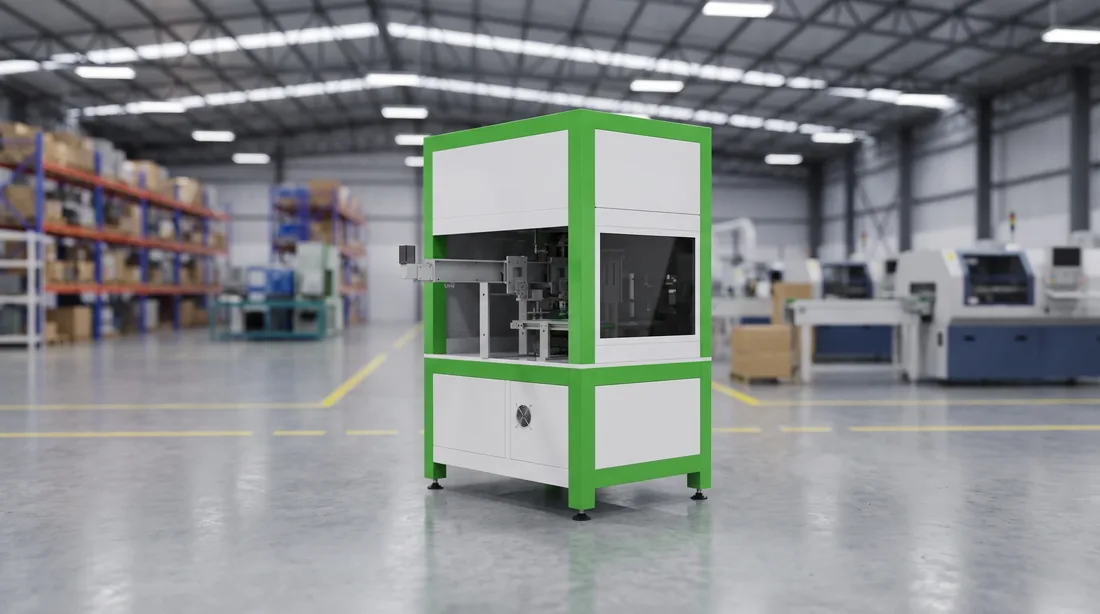
Empty staging position where a defined part would arrive
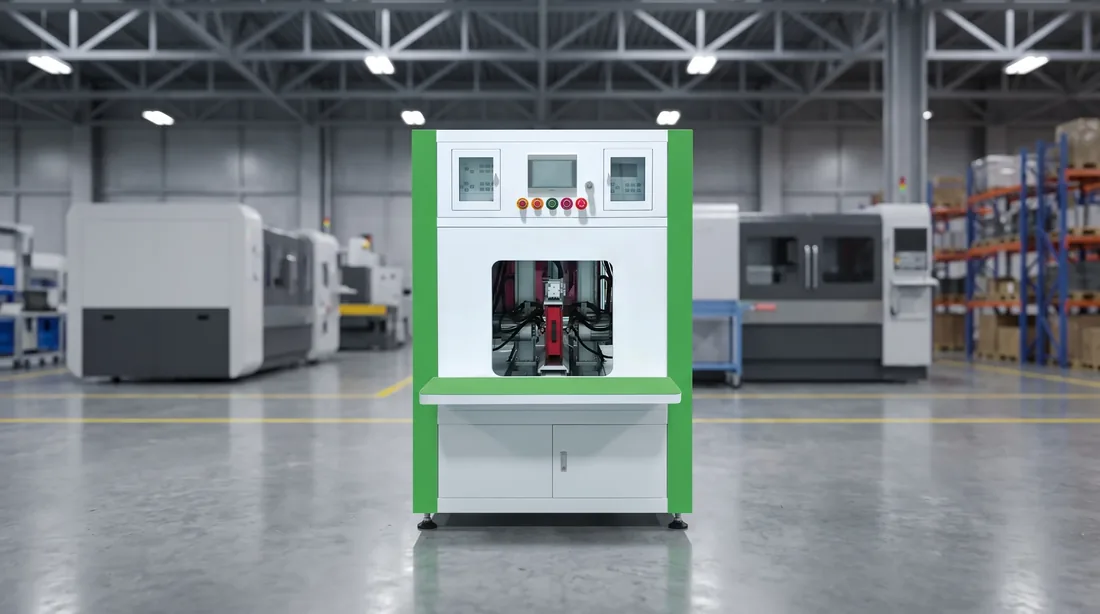
Machine work area with no part-specific tooling fitted
Checking position at the end of a line where criteria would be applied

The nine, by name, and nothing else claimed

Read the line under each name as what the name says, not as a capability statement. Every card carries the same badge for the same reason, and that badge is the honest state of this branch today.

Fully automatic 18650 cylindrical cell sorting machine
01

Fully automatic 18650 sorting machine

Sorts cylindrical cells before they are grouped.
No published figure
Machine that applies double-sided tape to the back face of a cell
02

Cell back tape applicator

Applies double-sided tape to the back face of a cell.
No published figure
Taping machine that wraps tape around an assembled group
03

Taping machine

Wraps tape around an assembled group.
No published figure
Plastic sleeving machine applying a sleeve over an assembly
04

Plastic sleeving machine

Applies the plastic sleeve over the assembly.
No published figure
Sealing machine that closes an assembly
05

Sealing machine

Closes the assembly.
No published figure
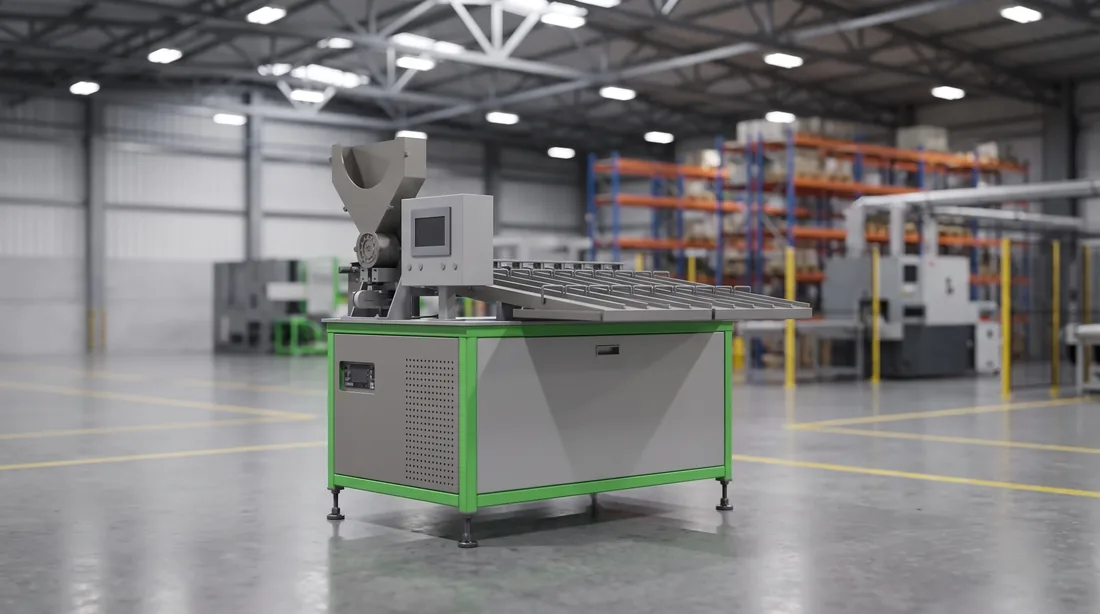
Dispensing machine laying adhesive along a path
06

Dispensing machine

Lays adhesive along a path.
No published figure
Nickel strip welding and bending machine
07

Nickel strip welding and bending machine

Welds and forms the strip connectors.
No published figure
Cylindrical battery pack line arrangement
08

Cylindrical battery pack line

The line these machines are arranged into.
No published figure
Consumer lithium pack line arrangement
09

Consumer lithium pack line

The consumer-electronics arrangement of the same branch.
No published figure

⚠️ Nine names and nine identical badges is the whole section, on purpose. Giving each machine a sentence of praise would double the length and add nothing you could check — and our own build rules call that what it is: a list pretending to be an argument.

Zero figures is not the same as zero substance

It would be easy to read the last two sections as "they do not really do this". Here is what actually exists on this branch, stated as plainly as the blank was.

  • The machines exist — they are in our equipment set, not a catalogue we resell
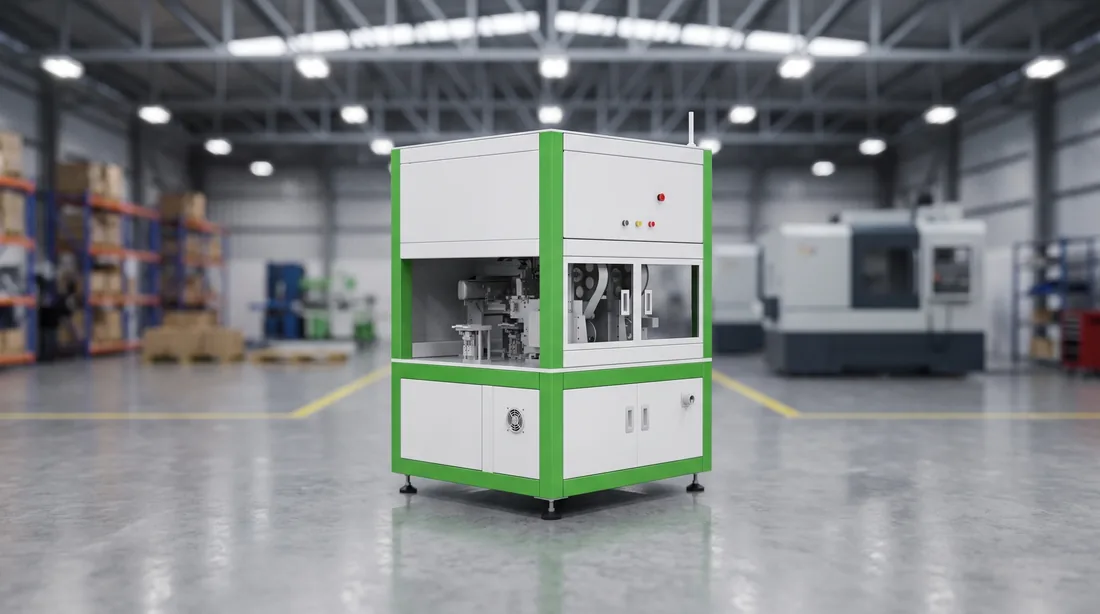
  • Renderings exist — every machine on this page has one; that is what you are looking at
  • Published figures do not — for the three reasons in section 02
  • A blueprint part does not — and that is the one that unlocks the rest

The distinction matters because the two failure modes point in opposite directions. A supplier with no equipment and confident numbers is the dangerous one. A supplier with equipment and no numbers is merely early — and being early is a state you can fix in one exchange of drawings. Which one you are dealing with is worth establishing before anything else, and it is establishable in a single question.
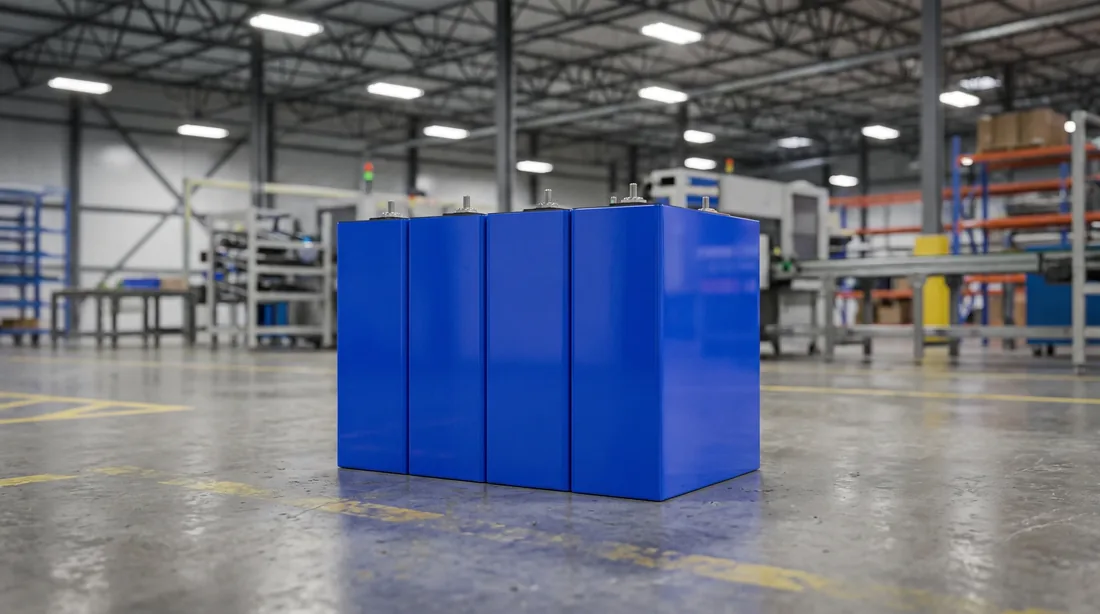
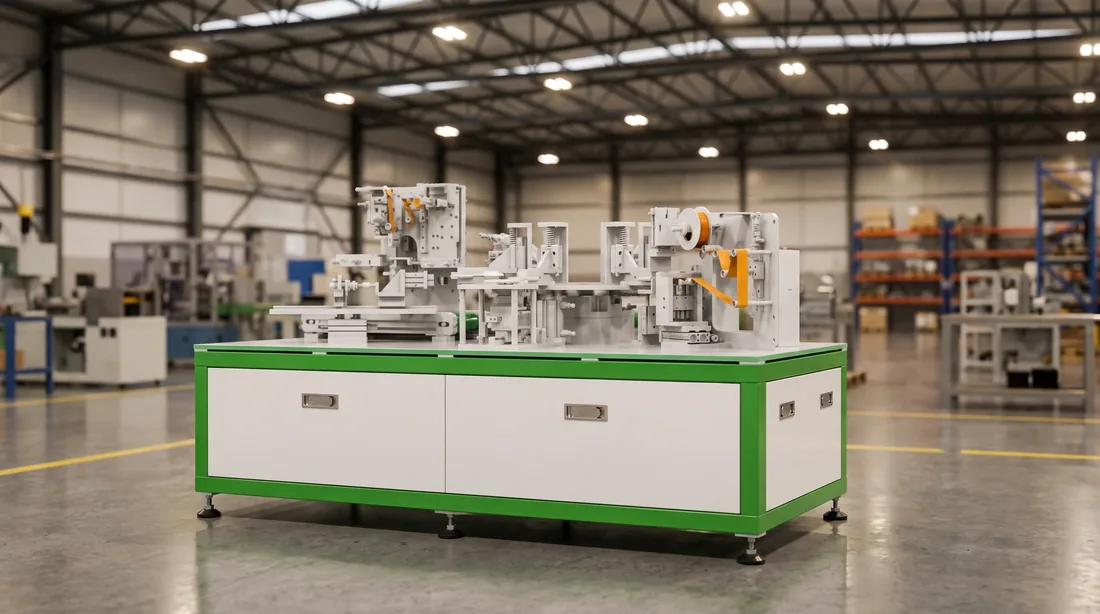
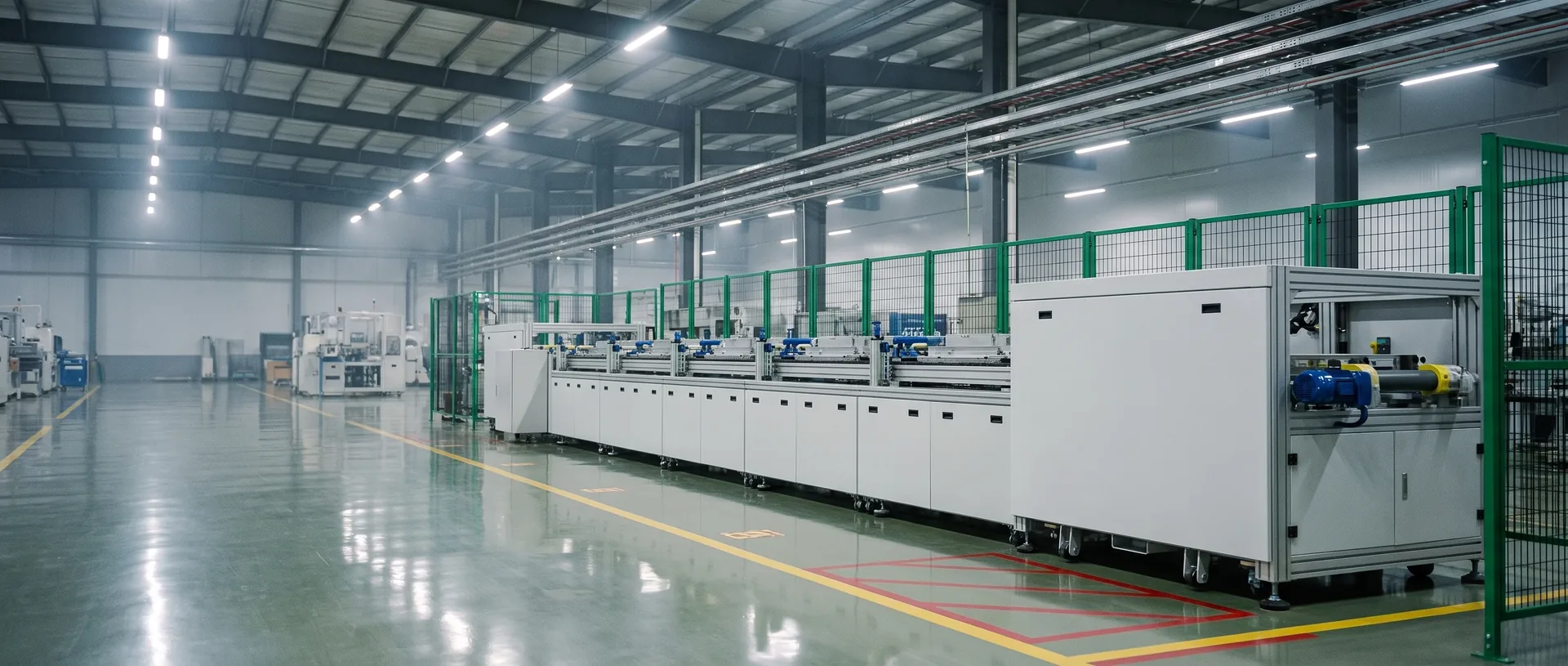
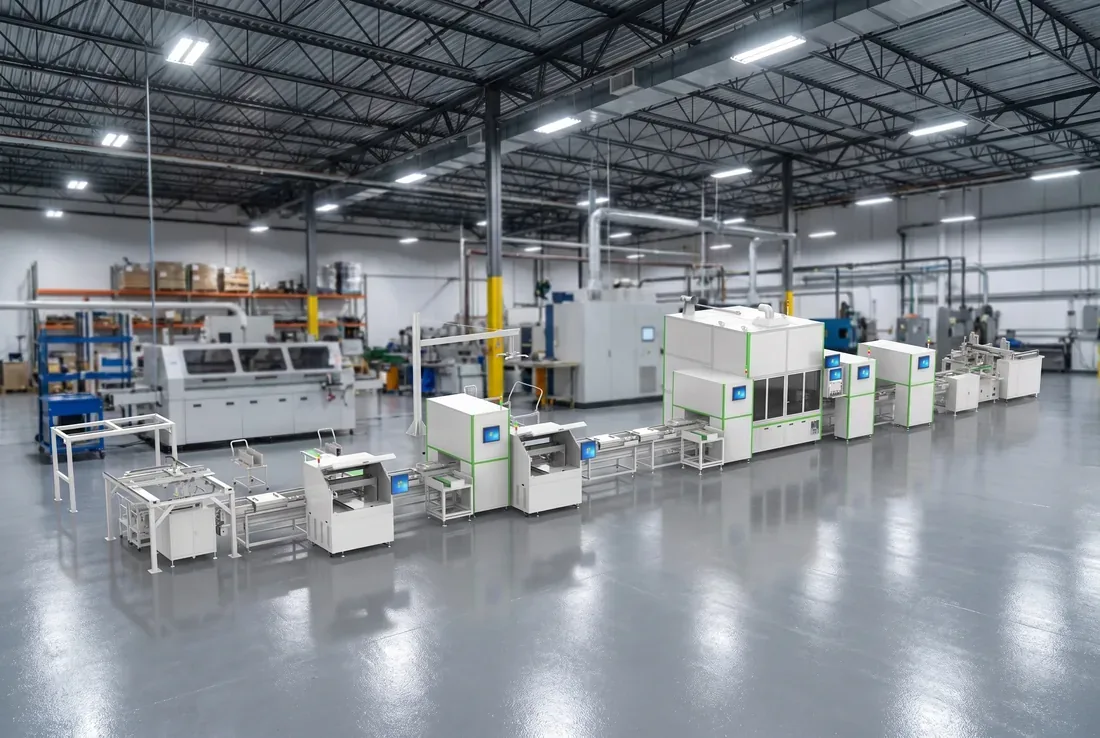
Branch-line machines standing in a plant bay
Rendering — the equipment is the part of this page that is not blank
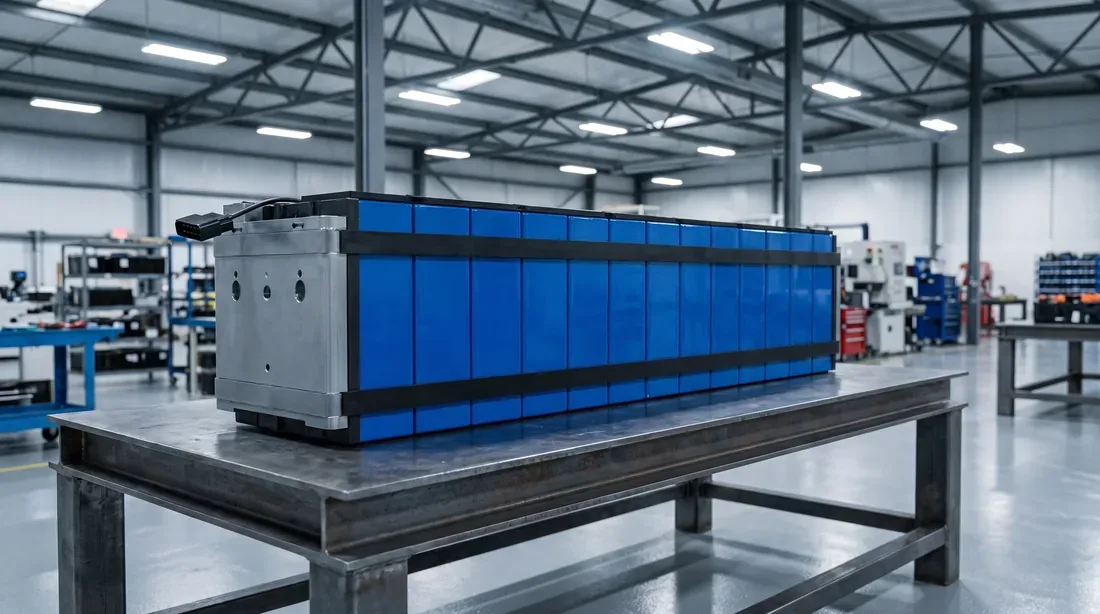
Cylindrical cells staged before grouping Assembled group of cylindrical cells before sleeving

Take this to any supplier

"Show me a rendering of the machine, and tell me which part your figures were measured on."

Every other page on this site is trying to give you a number. This one is telling you what a number would have to be made of.

On the prismatic branch

A defined part, tooling built against it, criteria in the acceptance document. ⇒ Figures, published.

On this branch

Machines and renderings. No defined part yet. ⇒ A zero, and a path to changing it.

What we would have had to invent to fill this page in

This section is uncomfortable to write and it is the reason the page is worth reading. Each of the three inventions below is one a buyer cannot detect from the outside.

Invent the part

The easiest and the worst. Pick a common cell format, assume a pack built the way most people build one, measure against it, publish. Everything downstream would be technically true and useless to you — and you would only find out when your own part behaved differently, at commissioning.

Invent the tooling

Quote a figure that assumes tooling nobody has designed. It reads as confidence, and it moves the entire risk of fixture design onto a number printed months earlier. When the tooling turns out to need a different approach, the figure does not change — the schedule does.

Invent the criterion

Publish something that sounds like a specification but was never going to enter an acceptance document. ⚠️ This is the most common of the three across our industry, and it is invisible until the day somebody tries to test against it.

The same principle governs a page you can check us against: the off-line gantry welder publishes fifteen machine figures and no weld strength figure at all, for exactly this reason — that machine welds whatever you clamp to it, so a strength criterion without your joint would be invented. Different branch, different machine, same rule applied twice.
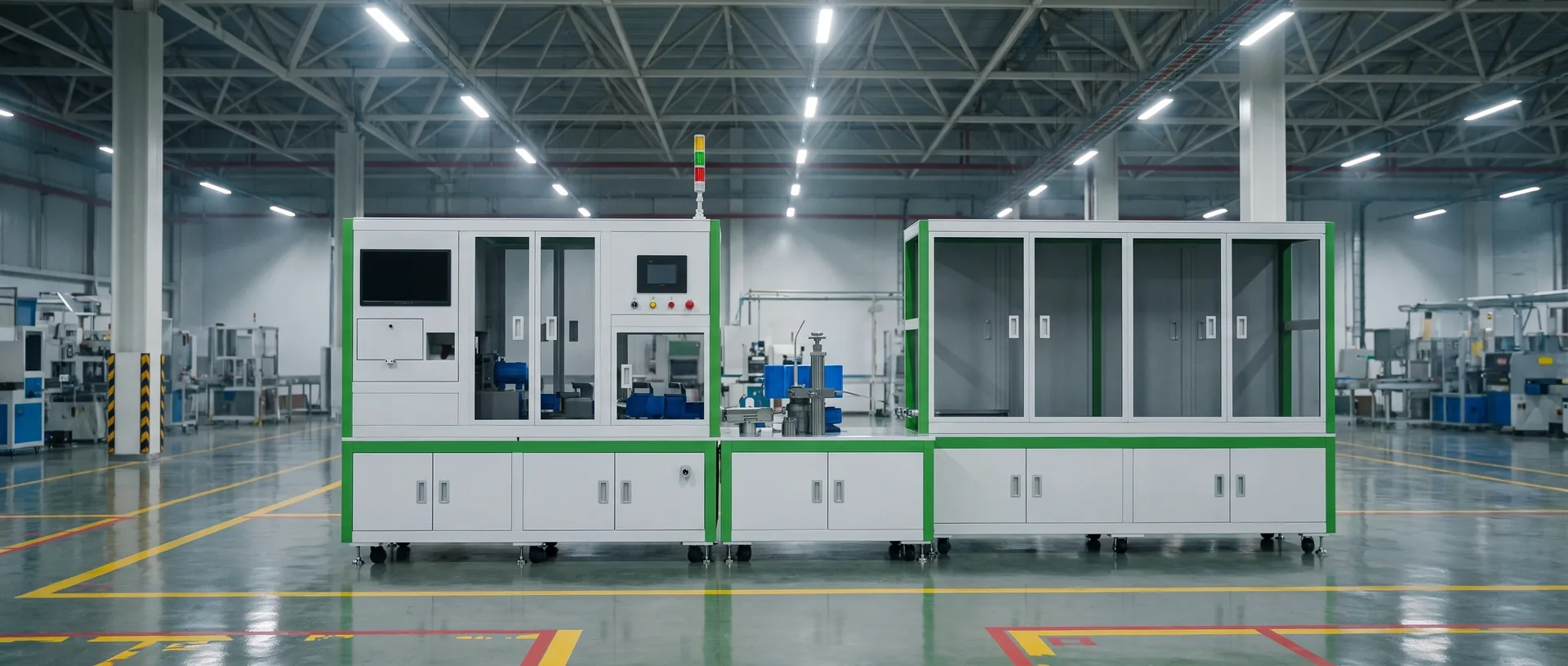
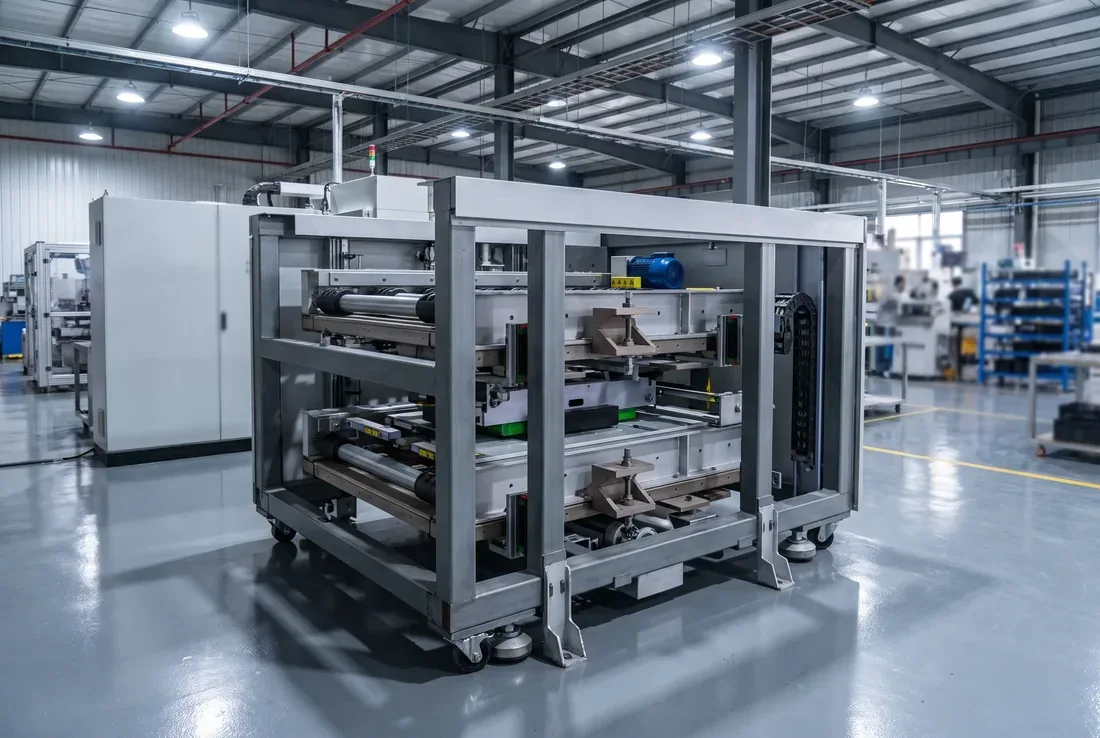
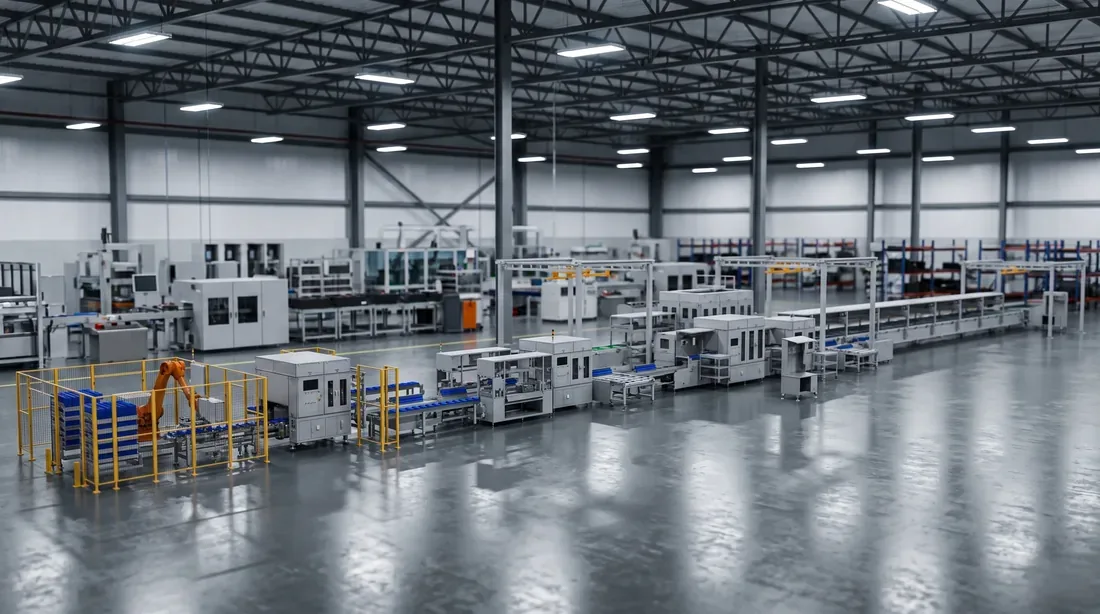
Equipment set standing in a bay before any product has been defined
Rendering — machines exist; the part they would be measured against does not yet
Machine work area with no fixture fitted Acceptance checking position at the end of a line

Two lines are named on this branch, and only named

The last two entries in section 03 are lines rather than machines. What that word means here is narrower than it usually is, and the difference is worth a section.
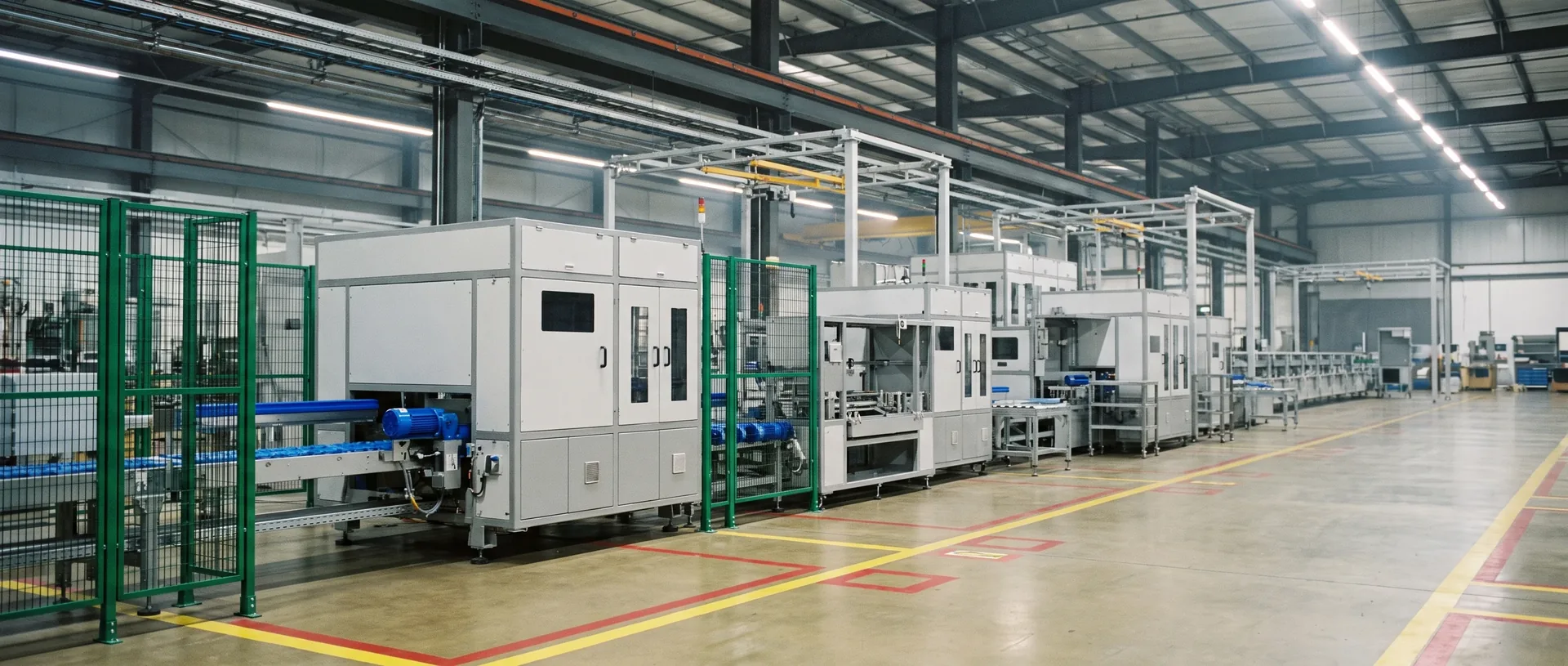
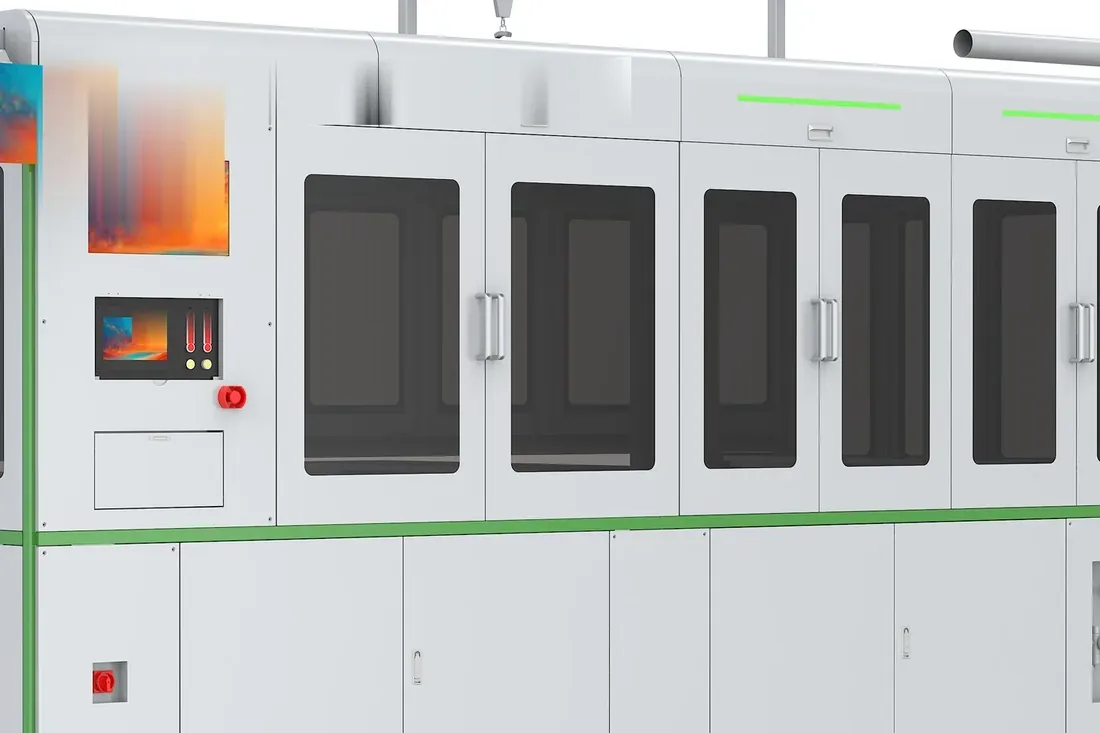
Cylindrical pack line arranged along a bay
01

Cylindrical battery pack line

The arrangement these machines are built into for cylindrical cells. We do not publish its takt, its capacity, its headcount or its footprint, because all four are properties of a configuration and no configuration exists until there is a part and a volume.
Consumer pack line arranged in a smaller bay
02

Consumer lithium pack line

The same branch aimed at consumer-electronics packs. Same position, same blank, same reason. What is real about both entries is the equipment behind them — what is not yet real is any number describing how they perform in your plant.
Bay in which either branch arrangement would be laid out
The bay is real
Machines positioned in sequence for one particular product
The arrangement is decided by your product
Line arrangement with no published performance attached to it
The number is not published in advance

⚠️ "Line" on this page means an arrangement of the machines above. On the prismatic pack line page the same word arrives with a station count, a takt band and a headcount — the word is the same and the evidence behind it is not, which is exactly the confusion this page exists to prevent.

If you need published figures today, they are one click away

This is the most useful thing this page can do for a buyer who arrived expecting specifications: point at the branch where we have them, and be specific about it.

  • 8 to 15 PPM — the prismatic module and pack takt band → tier selection
  • 17 and 15 stations — the module and pack segments, station by station → the line pages
  • ≥99% — line acceptance yield, equipment-caused defects only → acceptance

Each of those is quoted here as a signpost and expanded on the page that owns it — nothing about them is restated here. The point of listing them is the contrast: that is what a branch looks like when the part, the tooling and the criteria all exist, and it is what this branch will look like once we have seen your part.
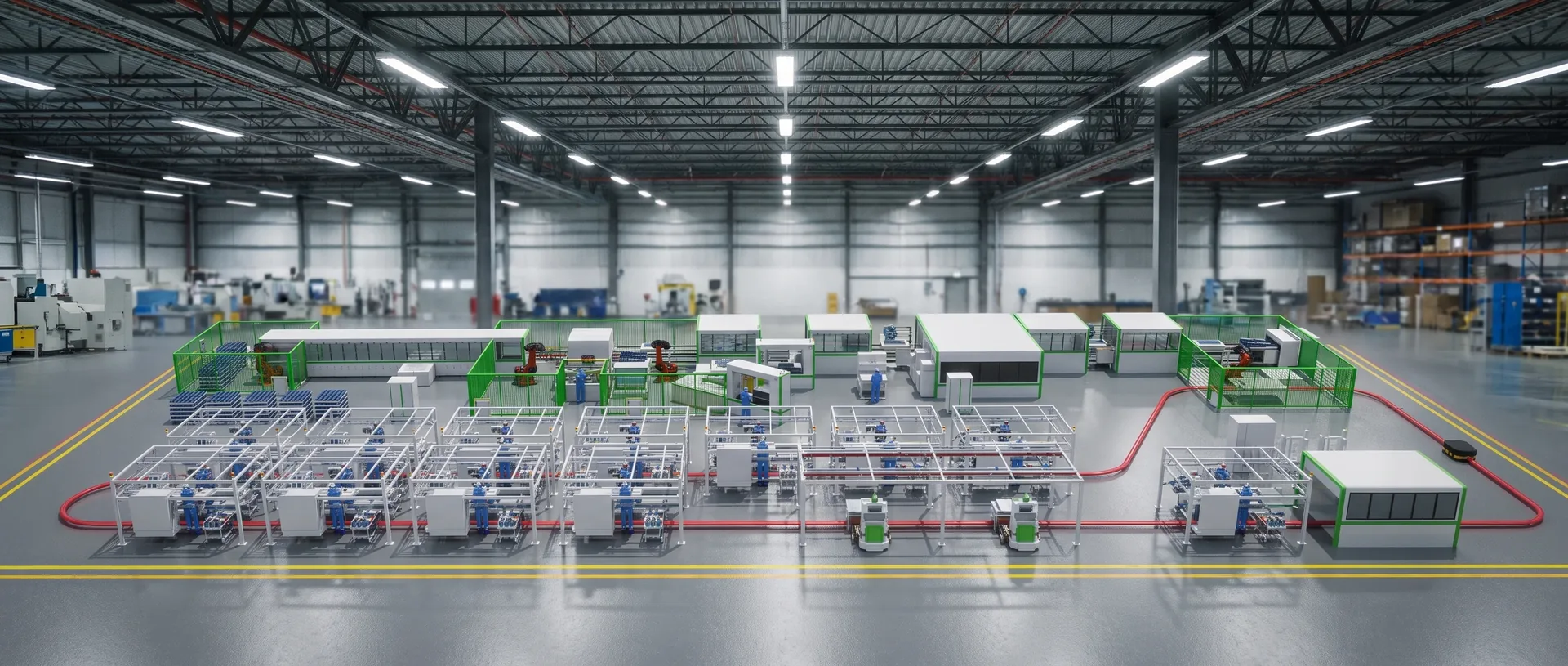
Prismatic module and pack line, the branch where the published figures are
Rendering — the branch with a blueprint part behind every figure

Cylindrical, consumer, prismatic — three answers, three pages

Buyers rarely arrive knowing which of our branches they need, and the fastest way through this site is to establish it in one paragraph.

  • Prismatic energy-storage or EV packs — the main branch, where the figures are
  • Cylindrical cells, industrial or storage format — this branch, and this blank
  • Consumer-electronics packs — this branch too, same position

There is a fourth answer worth stating: if what you need is cell manufacturing — mixing, coating, calendering, winding, electrode stacking, electrolyte filling, formation — that is a different plant and a different supplier, on every branch we have. Saying so costs us nothing and saves you weeks, and it is the same answer we give on every other page of this site.
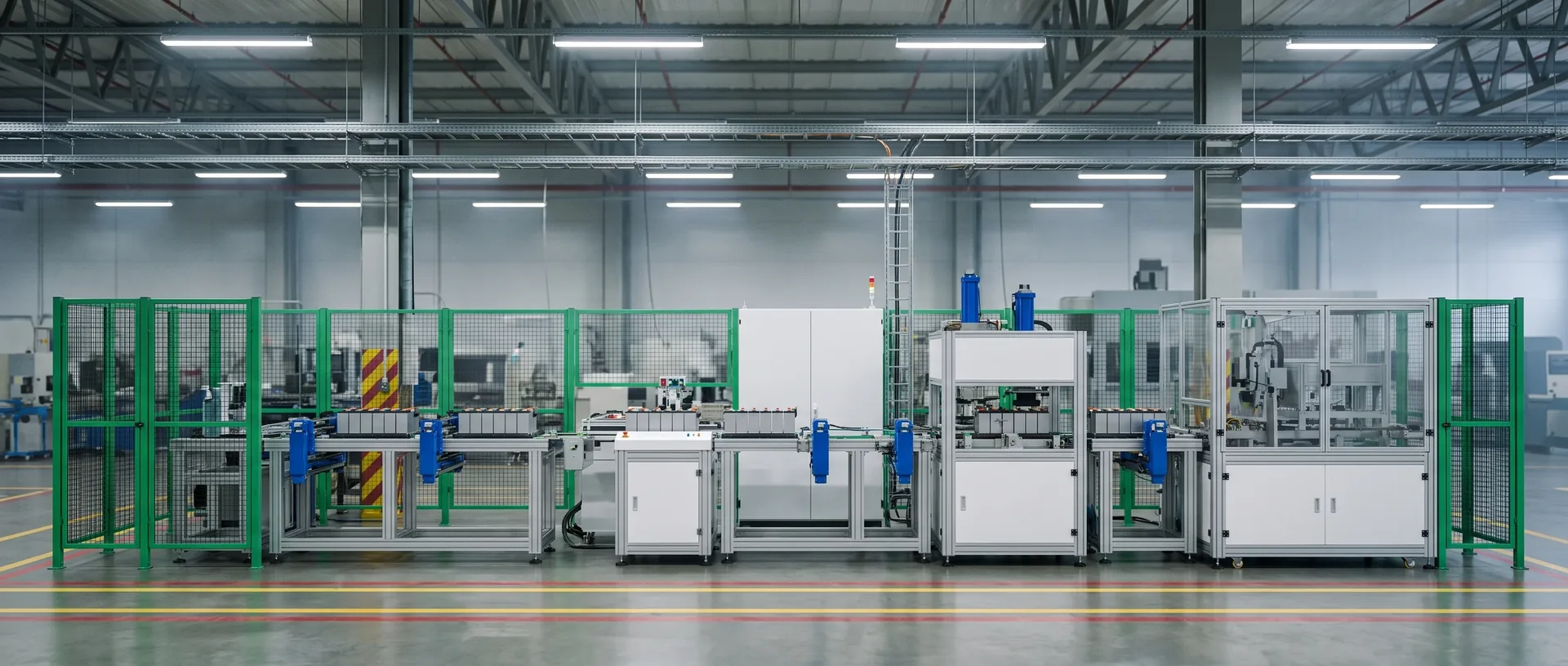
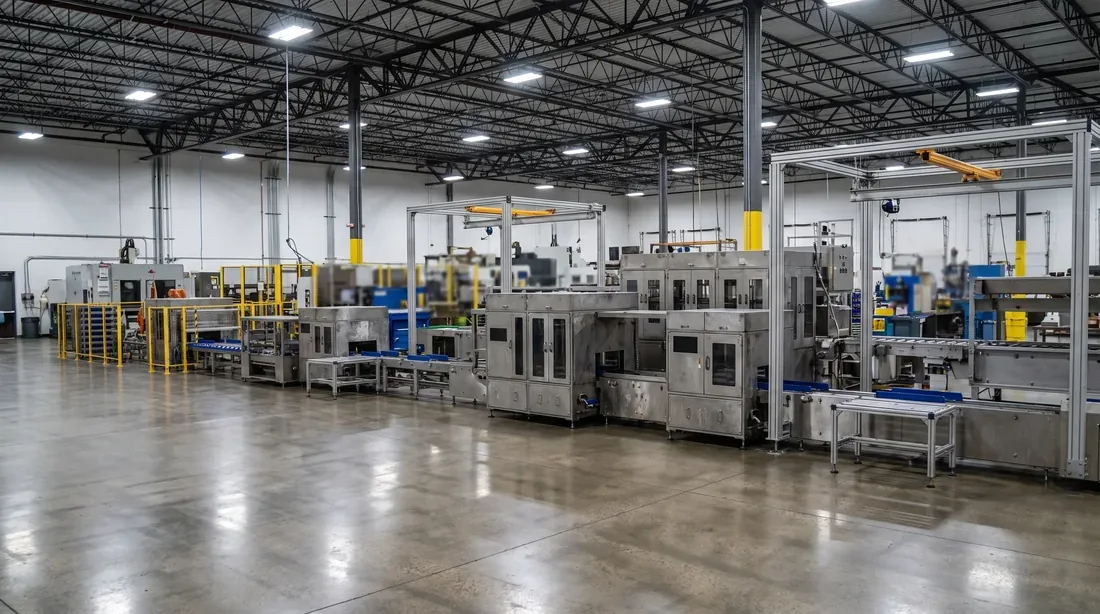
Two different line arrangements in one plant, serving different formats
Rendering — one company, two branches, two different states of readiness
Cylindrical cells and prismatic cells staged separately Two line arrangements serving two different cell formats

How the blank on this page becomes a number for you

This is a sequence rather than an invitation to enquire. Each step produces something you can hold, and the last one is the only place a figure appears.

01 — You send the part

Cell format and the pack you are building — a drawing, a sample photograph, or both. This is the step that makes everything after it possible, and it is the step a supplier who already quoted you a figure skipped.

02 — We come back with an arrangement

Which of the nine machines your product actually needs, and in what order. Some products need four of them and some need eight — that answer is free, and it is usually the first genuinely new information a buyer gets on this branch.

03 — Tooling is designed against your part

Quoted as its own item, the same discipline as everywhere else on this site. → how tooling is quoted. Nothing before this point is a performance commitment.

04 — Then the figures exist

Written against your part, with your tooling, into the acceptance document — the only kind of figure worth having. At that point this page stops applying to you, and what applies instead is a document with your name on it.
Machines being arranged for a specific product before commissioning Layout drawn once the product and the volume are known

Four steps, and only the fourth one contains a number. Any supplier can be asked to name which of their steps produces the figure they already quoted you.

Four questions this page reliably produces, answered plainly

All four have been asked of us in almost these words, and all four have short answers.

Does this mean you have never built one?
It means we have not published figures for one. Those are different statements and we are only making the second one. What we will not do is convert the first question into a case study we cannot evidence — this site carries no customer names or testimonials on any branch, for the same reason.
Can you just give me a ballpark?
Not one that would survive contact with your part, and a ballpark that gets planned around is the specific failure this page is trying to avoid. Send the part and the ballpark becomes a real answer, usually in the same week.
Why publish the page at all, then?
Because the equipment is real and buyers looking for it deserve to find it. The alternative — leaving the branch off the site entirely — would be a different kind of dishonesty, and it would also mean the nine machines quietly disappear from our published scope.
Is the prismatic branch the same situation?
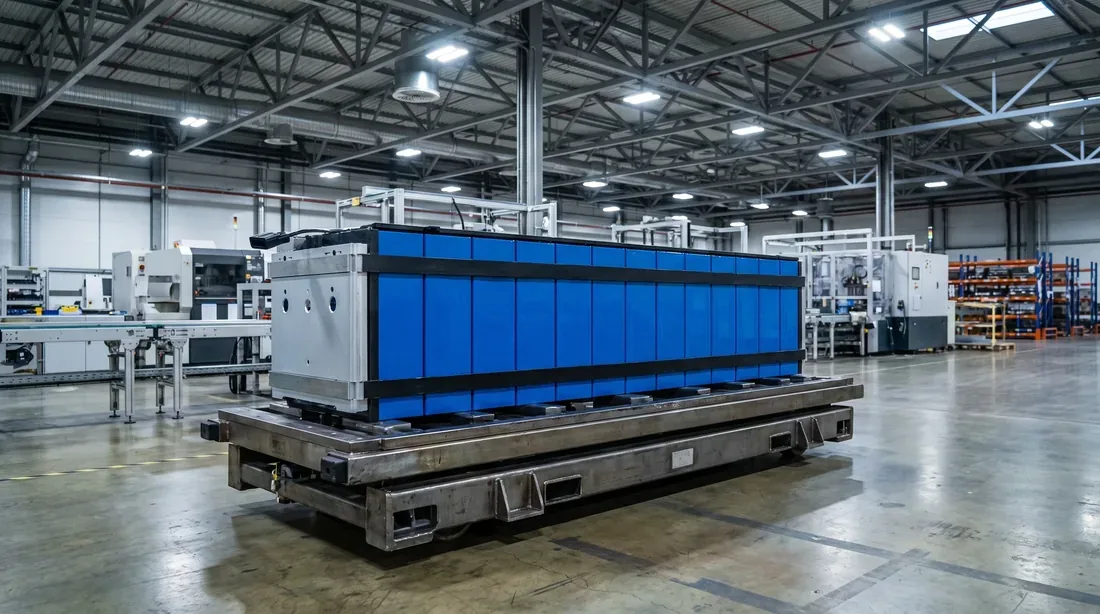
No, and that is the useful contrast. There the part, the tooling and the criteria all exist, and the pages carry dozens of figures as a result. Same company, same discipline, two different states of readiness.
Branch-line machine seen from the operator side Assembled cylindrical group before the sleeve is applied

⚠️ None of these four answers is softened anywhere else on the site. If you find a page of ours that contradicts one of them, that is a defect and we would like to know.

Ask five suppliers about cylindrical, and you get three answers

Not good, better and best. Three genuinely different things a supplier can mean, and only one of them tells you where you stand.
Specification sheet presented as evidence of capability
01

"Yes, we do cylindrical" — with a spec sheet
⚠️ The most reassuring and the hardest to check. Ask which part the figures were measured on. If the answer is a format rather than a part, you are holding an industry average with a company logo on it.
Equipment presented without any accompanying figures
02

"Yes" — and nothing else

No figures, no explanation, no path. It may be perfectly true, but it leaves you with exactly the information you arrived with — and no way to tell it apart from the first card.
Equipment set with a defined route from part to specification
03

The equipment, the blank, and the path

What this page is. Nine machines named, the reason for the blank stated, and a sequence that ends in figures written against your part. It is more work to read and it is checkable.

"The only one of the three you can verify from the outside is the one that tells you what it does not know."

Two situations end here, and two should go elsewhere

The fastest thing this page can do is tell you when to stop reading it, and it is worth doing that before the enquiry section rather than after.

✅ You have a part and want it costed

The situation this branch is built for. You know your cell and your pack and you want to know which machines it needs and what the tooling costs. Everything in section 10 is aimed at you, and the first exchange is usually short.

✅ You are early and want to know what is possible

Also welcome, and worth saying explicitly. A conversation about what this branch could do for a product still being designed costs nothing and is frequently the most useful one we have.

You need published specifications today

Then this branch is not where our numbers are, and pretending otherwise would waste your week. The energy-storage and module line pages carry dozens of published figures and they are one click away.

You are sourcing cell manufacturing

Wrong site, on every branch. Mixing, coating, calendering, winding, electrode stacking, electrolyte filling and formation belong to a different plant and a different supplier.

Send the cell and the pack, and the blank closes

Cell format, a drawing or photograph of the pack you are building, and roughly how many a month. Three inputs — and what comes back is an arrangement, not a brochure.

What comes back

Which of the nine machines your product needs and in what order, what has to be designed rather than selected, and tooling quoted as its own item. No performance figure until there is a part and a fixture behind it.

If you have no drawing yet

A photograph and a description of what the pack has to do are enough to start. Being early is a normal state on this branch, and it is a better input than a specification copied from somebody else's datasheet.
Phone / WhatsApp
Address
Wuhan, Hubei, China
Response
Reply within 24 hours